
5 Easy Citrus Trees for Perth Gardens and Beginners

Perth is kind to citrus, as long as the tree gets sun, steady water, and a little help through the dry months. The hard part for beginners is not whether citrus can grow here. It is choosing a variety that will forgive a few early mistakes.
Most backyard citrus problems in Perth come back to the same things: sandy soil, irregular watering, hungry trees, hot summer winds, or pots that dry out too fast. Pick the right tree and those problems become much easier to manage.
This guide ranks five beginner-friendly options for Perth gardens, from the most forgiving all-rounder to the best choices for flavour, containers, and reliable crops.
What makes a citrus tree easy to grow in Perth
The best beginner citrus trees share a few traits. They handle heat, fruit reliably, and recover well from minor neglect. They also stay a manageable size, especially if grown on dwarf or semi-dwarf rootstock.
For Perth conditions, look for citrus that can cope with:
Hot, dry summers
Sandy, free-draining soil
Long periods without rain
Full sun exposure
Occasional winter chill
Container growing, if space is tight
Most citrus trees want at least six hours of direct sun a day. More sun usually means sweeter fruit, stronger growth, and fewer pest issues.
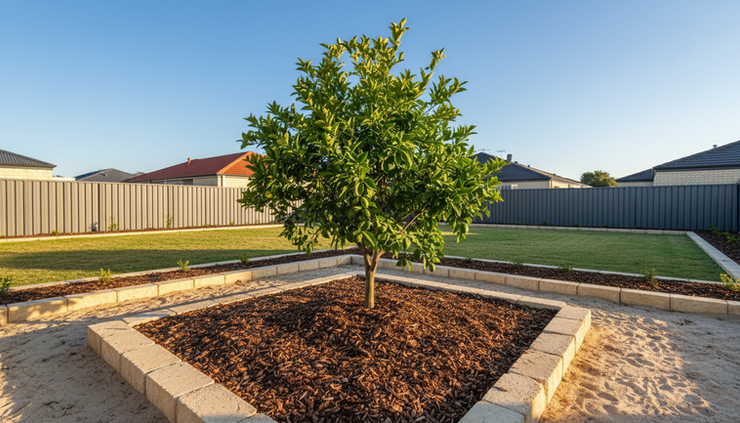
Perth’s sandy soils drain well, which citrus likes, but they do not hold nutrients or water for long. Before planting, improve the soil with compost and a quality soil conditioner. After planting, mulch wide around the tree, keeping mulch away from the trunk.
A regular watering routine matters more than occasional heavy watering. Citrus roots are shallow, so they suffer when the topsoil dries out completely. In summer, young trees need close attention until they establish.
These are the five easiest Citrus Trees for Perth if the goal is useful fruit without turning the garden into a full-time job.
1. Meyer lemon is the easiest all-rounder
Meyer lemon is the safest first citrus tree for most Perth backyards. It is productive, compact, and less fussy than many true lemons. The fruit has a smooth, thin skin and a mild, slightly sweet flavour that works well in cooking, drinks, dressings, and desserts.
It is often described as a lemon-orange hybrid, which explains its softer acidity. For beginners, that matters because the tree tends to be less thorny, more compact, and easier to manage than some traditional lemons.
Meyer lemon also suits pots, which makes it useful for courtyards, patios, and rental gardens. A dwarf Meyer lemon in a large pot can crop well with the right position and regular feeding.
Why it suits beginners
Meyer lemon fruits heavily once settled and can produce over a long season. It also responds well to light pruning, so it is easy to keep at a comfortable picking height.
Plant it somewhere sunny and protected from the worst summer winds. If it is in a pot, use a premium potting mix and choose a container with excellent drainage.
Beginner tip
Feed Meyer lemon in small, regular amounts during the growing season rather than giving it one huge feed. Citrus leaves tell a story. Pale leaves often mean the tree needs nutrients, water management, or both.
2. Tahitian lime is compact, useful, and quick to reward
Tahitian lime is another excellent choice for Perth gardens. It is the classic seedless lime commonly used in drinks, marinades, salads, and Asian-style cooking. The tree is usually compact, productive, and neat enough for smaller yards.
Limes love warmth, and Perth gives them plenty of it. They do not love drying out, especially in pots, so the key is steady moisture through spring and summer.
Tahitian lime is often easier for beginners than smaller, sharper lime types because it is widely available and predictable. It also tends to carry useful crops without needing a huge amount of space.

Why it suits beginners
Tahitian lime grows well in the ground or in a large pot. It is a good pick for gardeners who want fruit they will use often, rather than fruit that sits in a bowl for weeks.
The tree is fairly easy to shape. Remove dead or crossing branches, and keep the centre open enough for light and airflow.
Beginner tip
Limes can drop small fruit if they dry out, get too hot, or carry more fruit than the young tree can support. Do not panic if a young tree sheds some fruit. Focus on consistent watering and strong leaf growth first.
3. Imperial mandarin is sweet, early, and family-friendly
Mandarins are rewarding because they feel like a real backyard crop. Imperial mandarin is one of the easiest and most popular choices, especially for gardens where fresh eating matters more than cooking.
The fruit is sweet, fragrant, and easy to peel when grown well. It usually ripens earlier than many other mandarins, which gives the garden a winter lift.
Mandarins can be a little more sensitive than lemons and limes, but Imperial is still beginner-friendly when planted in the right spot. It enjoys sun, shelter, and steady care.
Why it suits beginners
Imperial mandarin is smaller and more manageable than many orange trees. It is a good option for suburban gardens where space is available but not unlimited.
It also helps beginners learn the rhythm of citrus care. You see the blossom, the tiny fruit, the slow swelling, and the colour change across the season.
Beginner tip
Do not harvest mandarins too early. Colour is helpful, but taste matters more. Pick one fruit, taste it, then wait another week or two if it is still sharp.
Mandarins also dislike competition from lawn. Keep grass away from the root zone and mulch well.
4. Washington navel orange is reliable and easy to enjoy
Washington navel orange is a classic backyard orange. It produces large, sweet, seedless fruit that is excellent for eating fresh. For many gardeners, this is the tree that feels most like a traditional home orchard.
It needs more room than Meyer lemon or Tahitian lime, so it is best for backyards rather than tiny courtyards. That said, dwarf forms make it possible to grow a navel orange in smaller spaces.
Washington navel suits Perth because it enjoys warm weather and plenty of sun. The fruit usually develops good sweetness when the tree gets enough light and the soil does not swing between bone dry and waterlogged.

Why it suits beginners
The fruit is familiar, seedless, and easy to use. That makes the tree rewarding even for people who are new to fruit growing.
Navel oranges also hold well on the tree for a time, so there is less pressure to pick everything at once. The tree looks attractive too, with glossy leaves, fragrant flowers, and bright winter fruit.
Beginner tip
Give navel oranges enough space from fences, walls, and other trees. Good airflow reduces pest and disease pressure. If planting near paving, remember that citrus roots are shallow and the tree will need extra water during hot spells.
5. Kumquat is tough, ornamental, and ideal for pots
Kumquat is the best choice for beginners who want citrus but have limited space. It is hardy, compact, ornamental, and very well suited to large pots.
Unlike most citrus, kumquats are eaten whole. The skin is sweet and aromatic, while the flesh is tart. Some people love eating them fresh, while others prefer using them in marmalade, preserves, syrups, or sliced into salads.
Kumquats are also attractive trees. They have dense foliage, neat growth, and decorative fruit that can hang on the tree for a long time.
Why it suits beginners
Kumquat tolerates container life better than many larger citrus trees. It also stays naturally compact, so pruning is simple.
It is a strong option for balconies, courtyards, and paved areas where an orange or grapefruit would be too large. In a decorative pot, it can work as both a food plant and a feature plant.
Beginner tip
Choose a wide pot, not just a deep one. Citrus roots like oxygen, so drainage matters. Raise the pot slightly on feet or bricks so water can escape freely after watering.
A quick comparison of the five easiest choices
Citrus tree | Best for | Space needed | Beginner rating |
Meyer lemon | Everyday cooking and drinks | Small to medium | Very easy |
Tahitian lime | Pots, courtyards, and regular kitchen use | Small | Very easy |
Imperial mandarin | Sweet winter fruit | Medium | Easy |
Washington navel orange | Fresh eating and classic backyard fruit | Medium to large | Easy |
Kumquat | Pots, small spaces, and ornamental value | Small | Very easy |
How to help citrus thrive in Perth
Even easy trees need the right start. The good news is that citrus care is simple once the basics become routine.
Choose the sunniest practical spot
Citrus trees fruit best in full sun. In Perth, morning sun with some protection from harsh afternoon wind can be ideal, especially for young trees.
Avoid deep shade. A citrus tree may survive there, but it will grow slowly and crop poorly.
Improve sandy soil before planting
Perth’s sandy soil drains quickly, which can suit citrus roots, but it loses water and nutrients just as quickly. Mix compost and soil conditioner through the planting area before the tree goes in.
Do not plant citrus in a tiny pocket of rich compost surrounded by plain sand. Improve a wider area so the roots keep growing beyond the planting hole.
Water deeply and consistently
Young citrus trees need regular water while they establish. Mature trees are tougher, but they still need help through long dry periods.
A good routine is better than guesswork. Check the soil under the mulch. If it is dry several centimetres down, water deeply.
Potted citrus dries out faster than trees in the ground. During summer heat, pots may need frequent checking.
Mulch wide but keep the trunk clear
Mulch helps cool the soil, reduce evaporation, and protect shallow roots. Spread it wide under the canopy and a little beyond.
Keep mulch away from the trunk. A clear gap helps prevent collar rot and makes it easier to spot pests.
Feed during active growth
Citrus trees are hungry plants. Use a citrus fertiliser and follow the label rather than guessing. Most trees respond well to feeding in the warmer growing months.
Yellow leaves can point to nutrient shortage, poor watering, root stress, or alkaline soil conditions. Look at the whole tree before adding more fertiliser.

Common beginner mistakes to avoid
Most citrus setbacks are easy to prevent. Watch for these simple mistakes.
Planting in shade and expecting sweet fruit
Letting a pot sit in a saucer of water
Watering lightly and often without soaking the root zone
Piling mulch against the trunk
Feeding a stressed, dry tree before watering it properly
Letting lawn grow right up to the trunk
Ignoring scale, ants, and sooty mould
Ants on citrus often point to sap-sucking pests such as scale or aphids. The ants feed on honeydew and may protect the pests. Treat the pest problem, not just the ants.
Leaf curl can happen after pest damage, heat stress, or water stress. New healthy growth is a better sign of recovery than old damaged leaves.
The best top pick for beginners
If choosing just one tree, plant a Meyer lemon. It is compact, forgiving, useful in the kitchen, and productive in a wide range of Perth garden settings. For pots and very small spaces, choose Tahitian lime or kumquat instead.
For a simple backyard citrus plan, start with Meyer lemon, then add Tahitian lime once the first tree is growing well. If there is more room, add Imperial mandarin or Washington navel orange for sweet winter fruit.
The best Citrus Trees for Perth Gardens are not always the rarest or most unusual. They are the trees that suit the climate, fit the space, and give fruit that gets used. Start with one easy variety, get the watering and feeding right, and citrus becomes one of the most satisfying crops in a Perth garden.


Comments