
Best Citrus and Fruit Trees for Today’s Climate Plus Care Tips and Garden Success Stories

A good garden tree has always had to suit the soil, the sun and the space. Now it also has to cope with sharper weather swings. Longer dry spells, sudden downpours, warmer winters and late frosts can all affect how a tree grows, flowers and fruits.
The encouraging news is that many citrus and fruiting trees are well suited to these conditions, especially when chosen with care. Some handle heat beautifully. Others shrug off dry spells once established. A few are perfect for pots, courtyards and smaller suburban blocks.
The best results usually come from matching the tree to the garden, then giving it steady care in the first few years. Here is how to choose wisely, which varieties deserve a place on the shortlist, and what gardeners are learning through real backyard wins.

Climate should guide every tree choice
Before picking a variety, look closely at the conditions in the garden. Labels at the nursery can help, but they rarely tell the whole story.
A tree that thrives in coastal Brisbane may struggle through cold inland frosts. A variety that fruits heavily in Adelaide may need more water and shade protection in a hot western suburb. Even within one street, a protected courtyard can behave differently from an exposed front verge.
Key climate factors to check include:
Summer heat
Many citrus, figs, pomegranates and olives cope well with hot days, especially once their roots are established. Young trees still need protection from heat stress.
Winter chill
Apples, pears, cherries and many stone fruits need a certain amount of cold weather to set fruit well. In warm regions, choose low-chill varieties.
Frost risk
Frost can damage flowers, young fruit and tender new growth. Citrus can tolerate light frost once mature, but young trees need shelter.
Rainfall pattern
Some gardens now get less steady rain and more heavy falls. That means drainage matters as much as watering.
Humidity
Humid regions favour some trees, such as citrus and bananas, but can increase fungal disease pressure on stone fruit and grapes.
Wind exposure
Hot, dry wind can burn leaves, drop flowers and stress developing fruit.
A simple way to choose is to group trees by their strengths. For hot and dry gardens, look at pomegranate, fig, olive, mulberry and some citrus. For warm, humid gardens, consider citrus, mango, avocado, guava and lychee where local conditions allow. For cooler gardens, apples, pears, plums, persimmons and cherries may be stronger choices.
Local knowledge is still hard to beat. A nearby nursery, community garden or neighbour with healthy trees can tell you more than a generic plant tag.
Citrus trees that suit warmer and less predictable seasons
Citrus remains one of the most rewarding groups for Australian gardens. The trees are useful, evergreen and attractive, and many varieties grow well in the ground or large pots. A healthy citrus tree can also bring structure to a garden while producing fruit for months.

Lemons are reliable and useful
Lemons suit many climates, from warm temperate areas to subtropical gardens. They prefer full sun, free-draining soil and regular feeding.
Good choices include:
Eureka lemon
A strong all-rounder that can fruit across much of the year in suitable climates.
Meyer lemon
A smaller, sweeter lemon that often suits pots and sheltered courtyards.
Lisbon lemon
A hardy option with a more traditional tangy flavour.
Lemons are also forgiving. One gardener in a dry suburban block replaced a struggling ornamental shrub with a Meyer lemon in a half-wine-barrel-sized pot. The first summer looked rough, with curled leaves during hot spells. After adding mulch, moving the pot out of harsh afternoon heat and watering deeply twice a week in summer, the tree settled in. By the second winter, it had enough lemons for marinades, salad dressings and a few jars of lemon butter.
Limes love warmth
Tahitian lime is a favourite for warmer areas. It is productive, generally easy to use in cooking and drinks, and often less fussy than people expect. It dislikes cold, wet feet, so drainage is vital.
Finger limes are also worth considering, especially in subtropical and warm temperate gardens. They are native rainforest-edge plants and can handle part shade better than many citrus types. Their fruit is prized for its small, tangy pearls.
Mandarins are family-friendly fruit
Mandarins are hard to beat for easy snacking. They need sun, regular water and protection from pests, but many home gardeners find them less demanding than stone fruit.
Popular types include Imperial, Emperor and Afourer, depending on local suitability. Some mandarins need cross-pollination or careful variety choice, so check before buying if space is limited.
Oranges suit patient gardeners
Navel oranges are excellent for eating fresh, while Valencia oranges often hang well on the tree and suit juicing. Oranges usually need warmth to develop sweetness, so they perform best in sunny, frost-protected positions.
In cooler or marginal areas, a north-facing wall can make a real difference. Brick, stone and paving hold warmth, creating a small microclimate that helps fruit ripen.
Cumquats are tough and ornamental
Cumquats deserve more attention. They are compact, decorative and often more cold tolerant than many other citrus types. They also grow well in pots, making them ideal for patios and smaller gardens.
Their small fruit can be eaten whole, made into marmalade or preserved. Even when not harvested, the tree looks cheerful through winter.
Fruit trees that are coping well with today’s conditions
Citrus is only one part of the story. Many non-citrus fruiting trees are handling hotter, drier or less predictable seasons well, especially when planted in the right place.

Figs are generous and drought-tolerant once established
Figs love sun and warmth. They need water while young, but established trees are famously tough. They suit warm temperate, Mediterranean and many inland climates.
They can grow large, so compact varieties or container growing may be better for small spaces. Netting may be needed if birds discover the crop first.
A gardener in a rental courtyard grew a dwarf fig in a large pot against a warm fence. It produced only a handful of figs in year one. In year three, after regular summer watering and a yearly compost top-up, the tree delivered enough fruit for breakfasts and sharing with neighbours. The key was patience, not perfection.
Pomegranates handle heat beautifully
Pomegranates are one of the best choices for hot, dry regions. They like full sun, tolerate leaner soils and need less water than many soft-leaved fruit trees once established.
They also bring ornamental value, with bright flowers and glossy leaves. Fruit splitting can happen after uneven watering or heavy rain, so steady moisture during fruit development helps.
Mulberries are fast and rewarding
Mulberries grow quickly and produce abundant fruit, often with very little fuss. They cope with heat and can provide useful summer shade.
The main issue is mess. Plant them away from paving, washing lines and driveways. Choose a form that suits the space, as full-sized trees can become large.
Feijoas are hardy in many temperate gardens
Feijoas, also called pineapple guavas, are tough, attractive and useful as hedging plants. They tolerate wind better than many fruiting trees and suit temperate to subtropical climates.
They need good sun to crop well. Planting more than one variety can improve fruit set, though some self-fertile types are available.
Persimmons offer beauty and late-season fruit
Persimmons handle heat reasonably well and bring brilliant autumn colour in cooler areas. Non-astringent types can be eaten crisp, while astringent types need to soften fully.
They prefer well-drained soil and consistent moisture when young. Once established, they can be long-lived and productive.
Low-chill stone fruit suits warm winters
Warmer winters have made traditional peaches, nectarines and plums harder in some regions. The answer is not to give up, but to choose low-chill varieties bred for mild winter areas.
Look for local recommendations for:
Low-chill peaches
Low-chill nectarines
Gulf or tropical plum types
Warm-climate apricots where suited
Stone fruit needs more pest and disease attention than figs or pomegranates, especially in humid regions. Good airflow, pruning and fruit fly management matter.
Avocados reward sheltered gardens
Avocados can be excellent in warm, frost-free or lightly frosted areas with good drainage. They dislike strong wind, waterlogging and extreme heat while young.
They need deep watering and generous mulch. In many regions, choosing both A and B flowering types can help pollination, though some single trees still crop in home gardens.
A coastal gardener planted an avocado after losing two young trees to wind. The third attempt went into a more sheltered corner behind a hedge, with shade cloth for the first summer. It grew slowly at first, then pushed strong new growth once protected from wind. The lesson was simple: the variety mattered, but the planting spot mattered more.
Care tips that help trees cope with climate stress
Good care does not need to be complicated. The aim is to reduce stress, build strong roots and keep the tree growing steadily.

Start with soil and drainage
Most fruiting trees hate sitting in waterlogged soil. If water pools after rain, improve drainage before planting. Raised mounds or raised beds can help.
Before planting, mix compost through the broader planting area rather than filling the hole with rich material only. This encourages roots to move outward.
For sandy soil, compost helps hold moisture. For heavy clay, organic matter and gypsum may help, but drainage and planting height are often more important.
Water deeply, not constantly
Frequent shallow watering creates shallow roots. Deep watering encourages roots to search down and out.
For young trees, water regularly through the first two summers. The exact amount depends on soil, weather and tree size, but the goal is even moisture rather than soggy soil.
A good test is to push a finger into the soil below the mulch. If it is dry several centimetres down, water deeply.
Mulch well, but protect the trunk
Mulch is one of the simplest climate tools in the garden. It cools the soil, slows water loss and feeds soil life as it breaks down.
Use straw, lucerne, bark chips, composted tree mulch or leaf litter. Keep mulch away from the trunk to prevent collar rot. A clear hand-width around the base is a good habit.
Feed at the right time
Citrus and many fruiting trees are hungry when actively growing. Feed in spring and late summer where suitable, using a fruit and citrus fertiliser or well-balanced organic option.
Avoid heavy feeding during extreme heat or drought stress. Water before and after applying fertiliser so roots are not burnt.
Yellow leaves can mean nutrient deficiency, poor drainage, cold soil or root stress. Check growing conditions before adding more fertiliser.
Prune for light, airflow and size
Pruning helps trees stay healthy and manageable. Most home gardens do not need giant trees. Smaller trees are easier to net, harvest and inspect for pests.
General pruning goals include:
Remove dead, damaged or crossing branches.
Open the centre of stone fruit where airflow matters.
Keep citrus skirts off the ground if pests are an issue.
Shorten vigorous shoots to keep fruit within reach.
Clean tools between trees if disease is present.
Avoid heavy pruning just before extreme heat, as exposed branches can sunburn.
Watch pests early
A small pest problem is easier to manage than a large one.
Common issues include citrus leaf miner, scale, aphids, citrus gall wasp, fruit fly, possums and birds. Use the least harmful control that works. This may include pruning out galls, using horticultural oil, netting fruit, removing fallen fruit or using approved traps.
In fruit fly areas, hygiene is essential. Pick fruit on time and clean up fallen produce.
The garden benefits go beyond the harvest
A productive tree changes the feel of a garden. It gives shade, scent, flowers, food and habitat. It can turn an empty corner into a place that feels cared for.
There are practical benefits too:
Fresh produce close to the kitchen
Lemons, limes, figs and herbs can turn simple meals into something special.
Lower waste
Homegrown fruit can be picked when needed, rather than sitting in a fruit bowl until it spoils.
Better shade
Deciduous trees like figs and mulberries shade summer spaces, then let winter sun through.
Habitat for insects and birds
Flowers support pollinators, while dense foliage gives small creatures shelter.
A stronger sense of season
Blossom, fruit swell, harvest and autumn colour all mark time in a satisfying way.
There is also the quiet pleasure of sharing fruit. Many gardeners remember the first bowl of mandarins more clearly than the first flower on an ornamental shrub. Food creates stories.
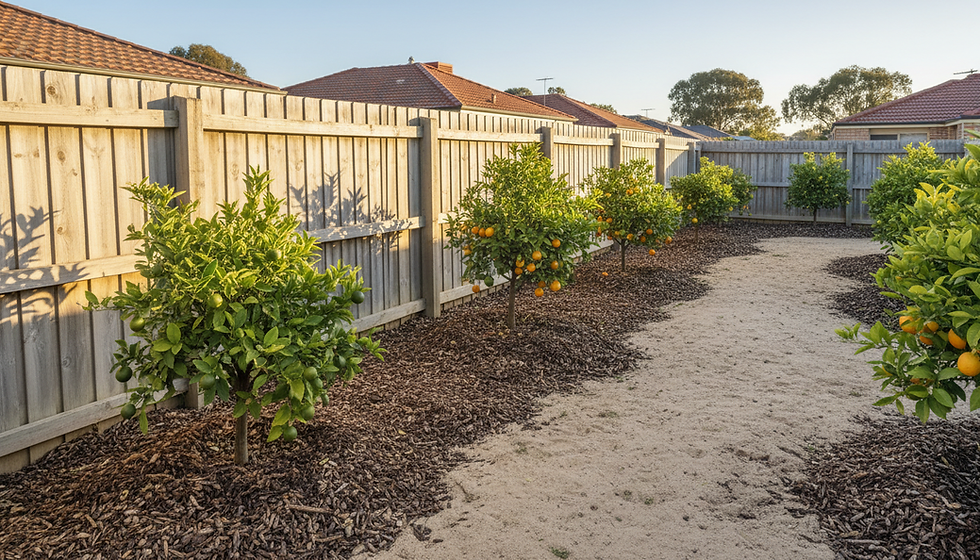
One community gardener described planting mixed fruit trees along the edge of a shared plot. The citrus took time, the figs raced ahead, and the pomegranate looked like a stick for months. A few years later, the same edge became the busiest part of the garden. Children checked the mandarins for colour, older gardeners argued cheerfully about when to pick figs, and excess lemons went into a basket near the gate.
That kind of success is not instant. It comes from smart choices, regular care and a willingness to adjust.

A practical shortlist for different garden conditions
If choosing feels overwhelming, start with the garden’s toughest condition and work from there.
Garden condition | Strong tree choices |
Hot and dry summers | Pomegranate, fig, olive, mulberry, established citrus |
Warm and humid climate | Lime, mandarin, orange, guava, avocado in sheltered spots |
Small courtyard or balcony | Meyer lemon, cumquat, dwarf fig, dwarf mandarin |
Cool winter climate | Apple, pear, plum, persimmon, selected cherries |
Mild winter climate | Low-chill peach, low-chill nectarine, citrus, feijoa |
Windy site | Feijoa, olives, hardy citrus with shelter while young |
The right fruit tree is the one that matches the local climate, fits the available space and suits how much care the garden can realistically receive.
For most home gardens, a mixed approach works best. Plant one reliable citrus, one tough heat-lover such as fig or pomegranate, and one tree chosen for personal joy. That might be a mandarin for children, a lime for cooking, or a persimmon for autumn colour.
Start small, plant well and care consistently through the early years. A tree that gets through its first few summers with deep roots, mulch and good structure has a much better chance of thriving for decades. The reward is more than fruit. It is shade, scent, seasonal rhythm and the satisfaction of picking something from a tree you helped grow.


Comments