
Best Citrus Trees for Small Perth Gardens and Pots

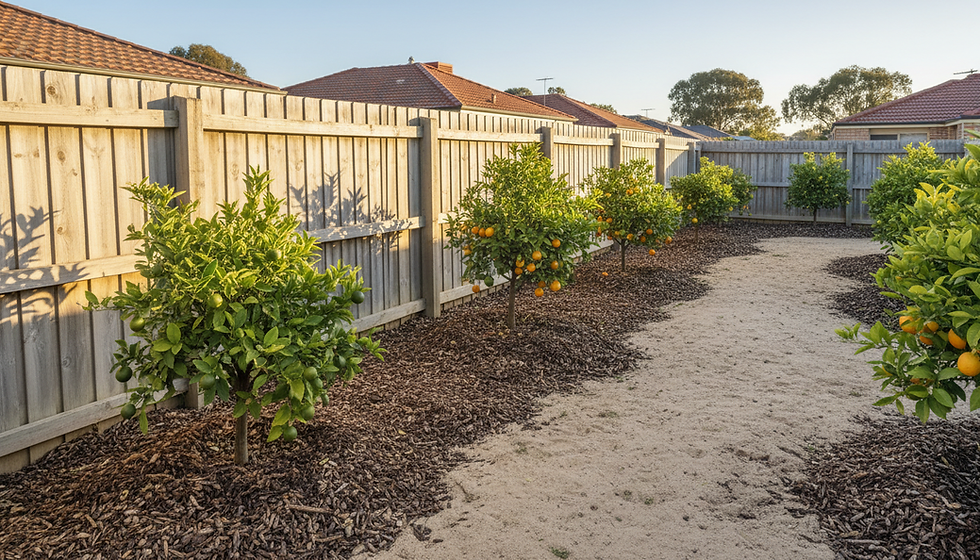
A small garden does not have to mean a small harvest. In Perth, a sunny courtyard, balcony or narrow side garden can grow lemons, limes, mandarins and cumquats with the right variety and a little steady care.
Citrus suit the Perth climate well. They like full sun, do not mind warmth, and many cope beautifully in large pots. The main trick is choosing a tree that matches the space. A full-sized orange can become too large for a courtyard, while a dwarf lemon or compact cumquat can stay neat, productive and easy to manage for years.
This guide covers the best citrus trees for small gardens, with a focus on compact growth, fruiting habits, climate fit, pest resistance, and practical care for pots and tight spaces.

Why citrus works so well in Perth
Perth has a Mediterranean-style climate, with hot dry summers and mild wetter winters. That gives citrus a long growing season and plenty of sun for sweet, colourful fruit.
The challenges are just as clear:
Summer heat can dry pots quickly.
Coastal wind can burn leaves and flowers.
Sandy soils often drain too fast and lack nutrients.
Some citrus pests thrive in warm weather.
Heavy crops can stress small trees if water and feeding are uneven.
The good news is that these problems are easy to manage. A well-chosen dwarf tree in a generous pot, planted in quality mix and watered deeply, can outgrow many garden-bed citrus planted in poor sandy soil.
For small gardens, patios, and pots in Perth. the best citrus trees are usually dwarf or naturally compact varieties, especially lemons, limes, cumquats and mandarins. They fruit reliably, fit into tight spaces, and respond well to pruning.
The best citrus varieties for small spaces
A good small-space citrus tree should tick three boxes. It should stay manageable, crop well for its size, and handle Perth’s sun with sensible care.
Here are the top choices.
Variety | Best for | Growth habit | Fruit and care notes |
Dwarf Meyer lemon | Pots, courtyards, small backyards | Compact, rounded, naturally smaller than many lemons | Heavy cropping for its size, sweeter and less acidic than many lemons, needs steady watering in pots |
Dwarf Eureka lemon | Year-round kitchen use | Upright, can be kept compact with pruning | Classic sharp lemon flavour, productive, good in large pots if fed well |
Tahitian lime | Patios and warm sheltered spots | Dense, bushy, usually manageable in a pot | Seedless or near-seedless fruit, likes warmth, protect from cold wind when young |
Calamondin | Decorative pots and small spaces | Very compact, dense and ornamental | Small tangy orange fruit, highly productive, one of the easiest citrus for pots |
Nagami cumquat | Courtyards and edible hedges | Slow-growing, upright and neat | Small oval fruit eaten whole, good pest tolerance and very ornamental |
Imperial mandarin | Family gardens and large pots | Small to medium, can be pruned after harvest | Sweet easy-peel fruit, reliable in many Australian gardens, give room for airflow |
Dwarf Washington navel orange | Larger pots and compact garden beds | Rounded, slower on dwarf rootstock | Sweet seedless oranges, needs full sun and consistent feeding |
Australian finger lime | Native-inspired pots and part-sun spots | Shrubby, thorny, slow to moderate growth | Caviar-like fruit, more tolerant of light shade than many citrus, protect from drying out |
Makrut lime | Pots near the kitchen | Compact if pruned, leafy and aromatic | Grown mostly for fragrant leaves, fruit rind is useful, clips well into shape |
Dwarf Meyer lemon
The Meyer lemon is one of the most forgiving choices for a small Perth garden. It has a naturally compact shape, glossy leaves and regular crops. The fruit is rounded, juicy and slightly sweeter than a typical lemon.
It works especially well in a pot because it does not try to become a large tree too quickly. A dwarf Meyer lemon on dwarfing rootstock is even easier to manage.
Give it:
Full sun for most of the day
A large pot with excellent drainage
Regular citrus fertiliser through the growing season
Protection from hot reflected heat if the pot sits beside paving or brick
Meyer lemons can flower and fruit heavily. If a young tree sets too much fruit in its first year, remove some so it can build roots and branches.
Dwarf Eureka lemon
Eureka is the classic backyard lemon. It has a sharper flavour than Meyer and can produce across much of the year when happy.
It is a stronger grower, so choose a dwarf form for pots. In a garden bed, prune lightly after harvest to keep the canopy open and reachable. Avoid hard pruning in peak summer, when exposed branches can sunburn.
Eureka needs good feeding. Pale leaves usually point to hunger, watering stress or both. In Perth’s sandy soils, a tree planted in the ground will appreciate compost, mulch and a proper citrus feeding routine.
Tahitian lime
Tahitian lime is a favourite for patios because it has a neat canopy and useful fruit. It likes warmth, which suits Perth, but young trees can suffer if exposed to harsh wind or sudden cold.
In a pot, keep it in a bright sheltered position. It should receive enough sun to fruit well, but not so much reflected heat that the root zone cooks.
Tahitian lime responds well to tip pruning. A light trim after fruiting encourages bushy growth and helps stop the tree becoming leggy.

Calamondin
Calamondin is one of the best-looking citrus trees for pots. It stays compact, flowers well, and often carries small orange fruit for long periods. The fruit is tart, so it is better for marmalade, drinks, sauces and preserves than eating fresh.
This tree is a strong choice for renters or balcony gardeners because it looks good year-round and does not need much space. It also copes well with regular light clipping.
Watering matters, though. Like most potted citrus, calamondin dislikes drying out completely, then being flooded. Aim for even moisture.
Nagami cumquat
Nagami cumquat is a small-space star. It grows slowly, keeps a tidy shape, and carries masses of oval orange fruit. The skin is sweet and the flesh is tart, so the whole fruit has a bright sweet-sour flavour.
Cumquats are often more forgiving than many larger citrus trees. They tolerate pruning, look ornamental, and can be grown as a small feature tree near an entrance or outdoor dining area.
For best results, do not overpot a tiny tree into a huge container at once. Step it up gradually, or plant into a large pot with excellent drainage and take extra care not to overwater while roots fill the mix.
Imperial mandarin
Imperial mandarin is a lovely choice if fresh eating is the goal. It produces sweet, easy-peel fruit and can stay compact with pruning.
Mandarins need sun to develop flavour, so avoid deep shade. They also benefit from airflow around the canopy, which helps reduce pest and disease pressure.
In a pot, choose a dwarf mandarin where possible. In the ground, keep it pruned to an open vase or rounded shape so light reaches the inner branches.
Dwarf Washington navel orange
Navel oranges need more space than cumquats or calamondins, but a dwarf tree can work in a large pot or small garden bed. The reward is sweet, seedless fruit and a handsome evergreen tree.
The main rule is patience. Oranges can take time to settle and crop well. Keep feeding consistent, water deeply, and resist the urge to move the pot around every few weeks.
A dwarf navel orange is best for someone with a sunny courtyard or a generous paved area rather than a tiny balcony.
Australian finger lime
Finger lime is not a standard citrus in the everyday lemon-and-orange sense, but it belongs in the small garden conversation. It is an Australian native rainforest plant with slender fruit filled with tiny pearls.
It can handle bright filtered light or morning sun, which makes it useful where a lemon might struggle. The plant is thorny, so place it away from narrow paths.
Finger limes need moisture, mulch and protection from dry scorching wind. In Perth, a position with morning sun and afternoon shelter often works better than exposed full sun.
Makrut lime
Makrut lime earns its spot because the leaves are so useful in the kitchen. The fruit is knobbly and aromatic, but most people grow it for the leaves and rind.
It clips well, stays productive in a pot, and does not need to carry a huge fruit crop to be worthwhile. Pick leaves lightly and often rather than stripping whole branches.
Makrut lime enjoys warmth, sun and shelter. Feed it as you would other citrus, but avoid pushing too much soft new growth during extreme heat.
How to choose the right tree for Perth conditions
The label matters. A tree sold simply as “lemon” may become far too big for a pot. Look for terms such as dwarf, semi-dwarf, or a named dwarfing rootstock. A grafted citrus tree should have a visible graft union near the base, where the chosen variety joins the rootstock.
Healthy nursery trees usually have:
Glossy leaves with no heavy yellowing
A straight, stable trunk
No circling roots bursting from the pot
No sticky residue, scale clusters or webbing
New growth without severe curling or distortion
Do not buy the biggest tree by default. A smaller, healthy tree often establishes faster than a tall, stressed one that has been sitting in its pot too long.
Climate fit also matters. Lemons, limes and cumquats are usually the safest choices for beginners in Perth. Oranges and mandarins can be excellent, but they need consistent sun, feeding and water to produce good fruit.

Potting, soil and maintenance for healthy growth
Citrus in pots need more attention than citrus in the ground, but they are also easier to control. Better soil, better drainage and better placement can make a huge difference.
Choose a generous pot with drainage
Start with a pot that suits the tree size. For most dwarf citrus, a container around 40 to 50 cm wide is a practical starting point. Larger trees, such as dwarf oranges, may need a bigger pot as they mature.
Drainage is non-negotiable. The pot must have several clear drainage holes. Raise it slightly on pot feet if it sits on paving, so water can escape freely.
Avoid leaving citrus in a saucer of water. Wet feet can damage roots and cause leaf yellowing, poor growth and fruit drop.
Use a quality potting mix
Do not fill pots with garden soil. It can become compacted, drain badly and carry pests or diseases.
Use a premium potting mix suitable for fruiting plants or citrus. A good mix should hold moisture while still draining well. In Perth, where summer conditions can dry pots fast, it helps to choose a mix with good water-holding capacity.
For garden beds, improve sandy soil before planting. Mix compost through the planting area, then mulch the surface after planting. Keep mulch away from the trunk so the bark stays dry.
Feed little and often during growth
Citrus are hungry plants. They need nitrogen for leaves, potassium for fruit, and trace elements such as iron, magnesium and zinc for healthy colour and growth.
Use a citrus-specific fertiliser and follow the label. More is not better. Too much fertiliser can burn roots, especially in pots.
A simple routine works well:
Feed in early spring as new growth begins.
Feed again in late spring or early summer.
Use a smaller top-up during the warm growing season if the tree is actively growing.
Ease off during cold weather when growth slows.
Yellow leaves can mean several things, including low nutrients, poor drainage, dry roots, cold stress or alkaline soil. Check watering and drainage before adding more fertiliser.
Water deeply and evenly
Potted citrus can dry out fast during Perth summers. Shallow watering wets the top of the mix but leaves dry roots below.
Water until it runs from the drainage holes. Then wait until the top few centimetres of mix begin to dry before watering again. In hot weather, pots may need water more often, especially if they sit in full sun or wind.
Mulch helps. Use straw, pine bark, sugar cane mulch or similar organic mulch on the pot surface. Leave a small gap around the trunk.
Prune for shape, not size panic
Small citrus trees do not need heavy pruning. In fact, hard pruning can reduce fruit and trigger weak growth.
Prune to:
Remove dead or crossing branches
Lift low branches if they touch the ground
Improve airflow through the canopy
Keep paths and entrances clear
Shorten long shoots after fruiting
Use clean, sharp secateurs. Avoid cutting during extreme heat.
Fruit yield, pests and common problems
A small citrus tree can produce a generous crop, but fruit yield depends on light, water, feeding, pollination and tree maturity. Young trees often need a few seasons to settle. Do not judge them by their first crop.
The most common cause of poor fruiting is not the variety. It is stress. Irregular watering, dry root balls, poor nutrition and not enough sun all reduce flowers and fruit.
Watch for these issues:
Citrus leaf miner
New leaves curl and show silvery trails. This pest attacks soft new growth. Avoid overfeeding with high-nitrogen fertiliser, especially when pests are active, because that can trigger flushes of tender leaves.
Scale insects
Scale look like small bumps on stems or leaves. They can cause sticky honeydew and sooty mould. Light infestations can be wiped off by hand. Encourage beneficial insects and use garden oils only according to the product label.
Aphids
Aphids cluster on soft new shoots and flower buds. A firm spray of water can remove many of them. Healthy trees usually recover well.
Fruit fly
Fruit fly can affect soft and ripening fruit in many parts of Australia. Good garden hygiene helps. Pick ripe fruit promptly and remove fallen fruit. Use exclusion bags or fine netting where suitable, making sure wildlife cannot become trapped.
Sunburn and heat stress
Pale, scorched leaves or damaged fruit can follow extreme heat, especially near paving, walls and fences. Move potted trees to a slightly more sheltered position during heatwaves, or use temporary shade cloth.

A simple care calendar for Perth citrus
Perth’s seasons make citrus care fairly easy to plan.
Season | What to do |
Spring | Feed, water well as growth starts, check for aphids and leaf miner on new shoots |
Summer | Water deeply, mulch, protect pots from extreme reflected heat, harvest limes and lemons as ready |
Autumn | Feed lightly if the tree is still growing, harvest mandarins and oranges depending on variety, tidy light growth |
Winter | Reduce watering, check drainage, prune lightly after harvest, protect young limes from cold wind |
The best routine is steady, not complicated. Citrus dislike extremes. They do not want to be soaked one week and bone dry the next. They do not need constant pruning. They simply need sun, drainage, food and regular attention.
If space is very tight, start with one tree. A dwarf Meyer lemon is the best all-rounder for most small Perth gardens. For a balcony or decorative courtyard, choose calamondin or Nagami cumquat. For drinks and cooking, Tahitian lime is hard to beat. For something unusual, try finger lime in a sheltered spot.
Growing citrus in a small space is satisfying because the reward is so visible. Glossy leaves, fragrant flowers and fresh fruit within arm’s reach can change how a patio feels and how often it gets used.
Choose the right variety, give it a generous pot, feed and water it consistently, and Perth’s sunshine will do much of the rest.


Comments