
Best Time to Plant Citrus Trees in Perth for Healthy Growth

A citrus tree can handle Perth’s heat once it is established, but planting it at the wrong time makes the first year harder than it needs to be. Young citrus roots are shallow, their leaves lose water quickly, and a hot easterly wind can stress a new tree within hours.
For most Perth gardens, the best planting window is early to mid-autumn, from late March through May. The summer heat has eased, the soil is still warm, and winter rain is on the way. That gives the tree time to settle in before the next long, dry summer.
Spring can also work well, especially in frost-prone suburbs or the Perth Hills. The trick is to match planting time to your microclimate, soil, watering setup, and the age of the tree.

Autumn is usually the best season for planting citrus in Perth
Perth has a Mediterranean climate, with hot, dry summers and cooler, wetter winters. Citrus trees like warmth, but newly planted trees need time to grow fresh feeder roots before they face summer stress.
That is why autumn is often the sweet spot.
By late March, the harshest heat has usually passed. The soil still holds summer warmth, which encourages root growth. Rainfall becomes more reliable as winter approaches, reducing pressure on irrigation. The tree can then spend winter establishing below ground before pushing stronger growth in spring.
If you are looking for the Best Time to Plant Citrus, think of it less as one exact date and more as a safe seasonal window:
Late March to May
Best for most Perth coastal and suburban gardens
April to early June
Often suitable if the site is sheltered and drains well
September to October
Best for areas that get frost or cold, wet winter soil
Avoid planting during heatwaves or dry, windy spells. A young citrus tree can survive summer planting if cared for closely, but it will need more watering, shade protection, and attention. That makes summer the hardest time to get it right.
Winter planting is also possible in mild coastal suburbs, provided the soil drains freely. Still, citrus roots grow more slowly in cold soil, and wet feet can cause problems. If your garden holds water after rain, wait until spring rather than planting into cold, soggy ground.
Perth planting conditions matter more than the calendar date
Two gardens in Perth can behave very differently. A sheltered courtyard in Fremantle is not the same as an exposed block in Ellenbrook or a cooler garden in the Perth Hills. The calendar gives a guide, but the site decides the risk.
Perth garden condition | Best planting window | Why it works |
Coastal suburbs with mild winters | Late March to May | Warm soil and fewer frost issues help roots establish |
Hot inland suburbs | April to May or September | Avoids peak summer heat and gives time before dry weather |
Perth Hills or frost-prone pockets | September to October | Reduces the chance of frost damage on young growth |
Heavy or poorly draining soil | Spring after soil dries | Citrus dislikes sitting in cold, wet soil |
Large pots or raised beds | Autumn or spring | Drainage is easier to control |
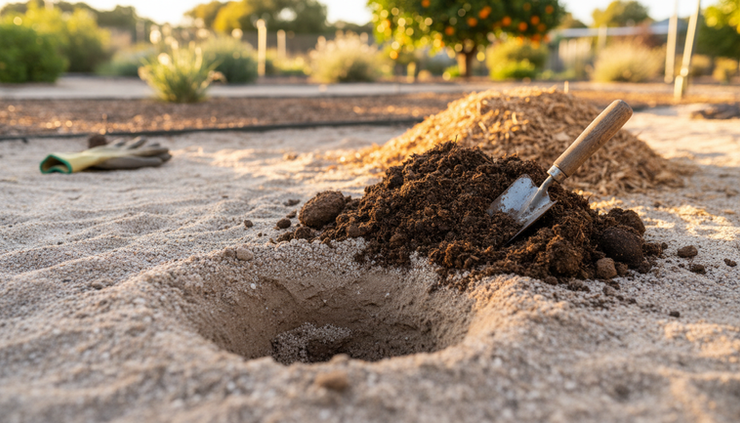
A simple soil test helps. Dig a hole about 30 cm deep and fill it with water. If the water sits for hours, drainage needs work before planting. Citrus roots need oxygen as much as moisture.
The safest way to Plant Citrus Trees in Perth is to choose a mild week, prepare the soil first, and water deeply before and after planting. Do not plant into dry sand and hope irrigation will fix it later. Pre-wetting the root zone makes a real difference.
Why autumn gives citrus trees a stronger first year
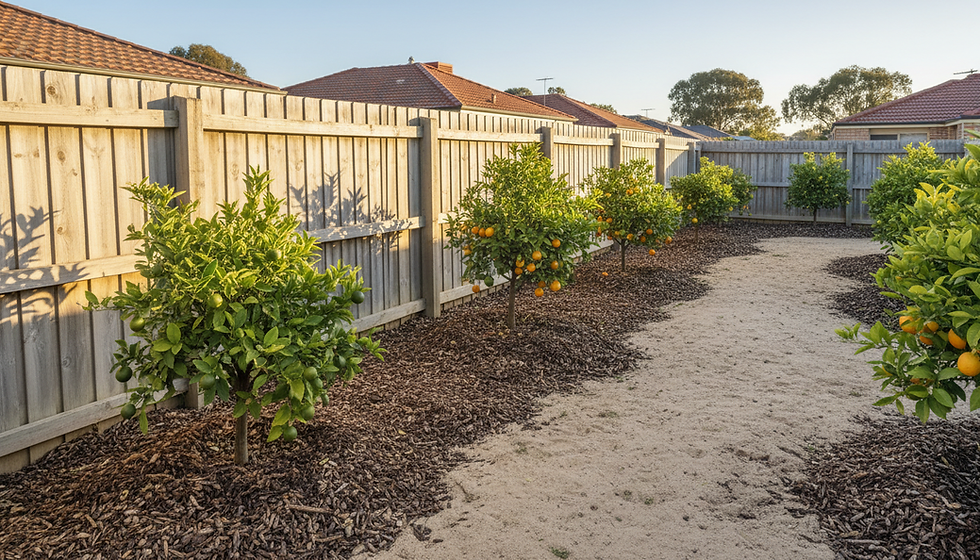
Autumn planting works because it gives citrus a long runway. Instead of using energy to survive extreme heat, the tree can focus on root growth.
A newly planted citrus tree has two jobs:
Repair any root disturbance from the nursery pot.
Grow into the surrounding soil before summer returns.
Warm autumn soil supports both. Even if top growth slows in winter, roots can continue to settle when conditions are mild. Then, when spring arrives, the tree is better placed to produce leaves, flowers, and new shoots.
This matters because citrus trees lose water through their leaves all year. They are evergreen, so they do not go fully dormant like deciduous fruit trees. A newly planted lemon, lime, orange, mandarin, or grapefruit needs enough root growth to keep up with leaf demand.
Autumn also reduces transplant shock. In summer, a tree may be hit by heat, sun, and wind before its roots can draw enough water. In autumn, evaporation drops and watering becomes easier to manage.
There is one key exception. If your garden gets frost, spring is safer. Young citrus leaves and soft new shoots can burn in frost. Established trees may recover, but a new tree can be set back badly. In frost-prone areas, plant after the worst cold has passed and protect the tree during its first winter.
Spring is the second-best option for cold or wet sites
Spring planting suits gardens where winter creates problems. That might mean frost, slow-draining clay, low-lying ground, or a shaded spot that stays cold and wet.
In Perth, September and October are useful months for spring planting. The weather is warming, growth is starting, and there is still time for roots to settle before summer. Planting too late in spring, closer to November, gives the tree less time before hot weather arrives.
If planting in spring, be ready with:
Deep watering two to three times a week during warm spells
Mulch to reduce evaporation
Temporary shade cloth during heatwaves
Wind protection for exposed sites
Close checks for leaf curl, wilting, or dry potting mix around the root ball
Spring-planted citrus can do very well, but it needs more attention through its first summer. The tree should not be allowed to dry out, especially in Perth’s sandy soils.
A common mistake is light, frequent watering. This wets the surface but leaves deeper roots dry. Citrus prefers a deep soak followed by time for the soil to breathe. The goal is evenly moist soil, not waterlogged soil.
Summer and winter planting need extra care
Citrus trees are often sold in pots all year, which can make any season look suitable. Potted trees are flexible, but the planting season still affects their stress level.
Summer planting is possible but risky
Summer is the most demanding time to plant citrus in Perth. The tree faces strong sun, hot winds, dry soil, and high water loss. If summer planting cannot be avoided, choose a mild spell and plant late in the day.
Give the tree temporary protection for the first few weeks. A light shade cloth on the western side can reduce afternoon stress. Keep mulch away from the trunk, but spread it widely over the root zone.
Water deeply and check moisture by hand. Irrigation systems can miss the original root ball, especially if it contains potting mix that dries out faster than the surrounding soil.
Winter planting depends on drainage
Winter can suit some coastal Perth gardens, but it is not always ideal. Citrus dislikes cold, wet roots. If the site drains well and has good sun, winter planting may be fine. If water lingers, wait.
Planting into wet soil can compact the ground and reduce oxygen around roots. This creates a slow start and may increase the chance of root problems. Raised beds or mounded planting can help in areas with marginal drainage.

Choose the right citrus type for your Perth garden
Planting time matters, but variety choice matters too. Perth’s climate suits many citrus types, provided they get sun, drainage, and steady moisture.
Good options include:
Lemons
Often reliable and productive in home gardens. Eureka and Lisbon are common choices, while Meyer is smaller and sweeter.
Limes
Tahitian lime grows well in warm areas but can be more cold-sensitive than lemons. It appreciates shelter from frost and strong wind.
Mandarins
A good choice for fresh eating. They need full sun for good flavour and sweetness.
Oranges
Sweet oranges need sun and consistent watering, especially while fruit is forming.
Grapefruit and pomelo
These need more space and warmth. They suit larger gardens better than tight courtyards.
For small spaces, choose dwarf citrus. Dwarf trees grow well in pots or narrow beds, but they still need regular feeding and watering. A dwarf label does not mean low care. It means smaller size.
The best position is full sun, ideally at least six hours a day. Morning sun and some shelter from harsh afternoon wind is a strong combination. Avoid planting too close to paving that reflects heat, unless you can keep water up during summer.
Prepare the soil before you plant
Perth’s sandy soils drain quickly and often struggle to hold nutrients. Citrus trees need good drainage, but they also need moisture and food available near the root zone. The aim is to improve the planting area without creating a rich, wet bucket that traps roots.
Prepare a wide area rather than only improving the hole. A hole full of compost surrounded by dry sand can make roots stay in the amended pocket instead of spreading out.
A good planting process looks like this:
Water the tree in its pot
Do this before planting so the root ball is evenly moist.
Dig a wide, shallow hole
Make it about twice as wide as the pot and no deeper than the root ball.
Improve the surrounding soil
Mix compost through the broader area. In very sandy soil, a quality soil improver can help hold moisture.
Set the tree at the right height
The top of the root ball should sit level with, or slightly above, the surrounding soil.
Backfill gently
Firm the soil enough to remove large air pockets, but do not stamp it hard.
Water deeply
Soak the root ball and surrounding soil. This helps settle the tree in.
Mulch well
Use coarse mulch over the root zone, keeping it away from the trunk.
Do not bury the graft union. Many citrus trees are grafted, and the raised graft point should sit above soil level. If buried, the tree may develop problems or send up unwanted growth from the rootstock.
Watering and feeding after planting set the tree up for success
The first year is about root establishment, not a heavy crop. If a young citrus tree flowers soon after planting, remove most or all of the fruit. That may feel wasteful, but it lets the tree build structure and roots before carrying a load.
Watering should change with the season.
Season after planting | Watering focus |
Autumn | Keep soil evenly moist while roots settle |
Winter | Reduce watering if rain is regular |
Spring | Increase as growth starts and weather warms |
Summer | Deep water consistently and watch for heat stress |
Check moisture under the mulch rather than guessing from the surface. Sandy soil can look dry on top while still holding moisture lower down, or the reverse can happen around a dry root ball.
Start feeding once the tree shows signs of active growth. Use a citrus fertiliser and follow the label. More is not better. Too much fertiliser can burn roots, especially in sandy soil or close to planting day.
Yellow leaves can come from several causes, including cold soil, poor drainage, low nitrogen, iron issues, or inconsistent watering. Do not rush straight to fertiliser. Check watering and drainage first.

Common timing mistakes to avoid
Many citrus problems begin on planting day. A few simple choices can prevent months of slow growth.
Avoid planting:
During a heatwave or strong easterly winds
Into dry, untreated sand
In a low spot where winter water collects
Too deep, especially over the graft union
Beside lawn that competes for water and fertiliser
In heavy shade
Right before going away for a holiday
Also avoid expecting fast fruit. A new citrus tree may take time to settle, even when planted in the right season. Strong leaf growth, healthy colour, and steady new shoots are better signs than an early crop.
If the tree drops some flowers or small fruit in its first year, that is normal. Young trees often shed what they cannot support. Focus on keeping the canopy healthy and the soil moisture consistent.
The best month to plant depends on your suburb and site
For most Perth gardeners, April is the safest all-round month. It sits after peak heat but before the coldest part of winter. May is also excellent, especially in mild areas. Late March can work well if the weather has cooled.
For colder pockets, September is often better. The soil starts warming, frost risk eases, and the tree gets several months to establish before summer. October can work too, but watering becomes more important as warm weather builds.
A simple rule works well:
Plant in autumn if your site is warm, sunny, and free draining. Plant in spring if your site is frost-prone, cold, or wet in winter.
That rule covers most Perth garden situations.
If the tree is already purchased and the timing is poor, you do not always need to plant immediately. A potted citrus can wait a short time in a sheltered, sunny position if it is watered properly. Keep it out of extreme heat, do not let the pot dry out, and plant when conditions improve.
Give your citrus the easiest possible start
The best time to plant citrus trees in Perth is usually late March to May, with April the most reliable month for many gardens. Spring planting from September to October is the better choice for frost-prone or poorly draining sites.
Choose a mild week, prepare the soil widely, plant at the right depth, mulch well, and water deeply. That first season of care shapes the tree’s future. A citrus tree planted at the right time does not just survive its first summer, it grows into it with stronger roots and a better chance of healthy fruit in the years ahead.


Comments