
Buy Citrus Trees Online from St Clements Citrus Expert Tips Care and Offers

A healthy citrus tree can change the feel of a garden. One lemon tree beside the kitchen door means fresh zest for roast vegetables, better dressings, fragrant flowers in spring, and glossy evergreen foliage through much of the year. The challenge is choosing the right tree, getting it home safely, and giving it the best start.
That is where a specialist citrus supplier becomes useful. St. Clements Citrus appeals to gardeners who want more choice than the standard nursery bench, along with clearer guidance on variety, size, and care. For anyone comparing local garden centres with online nurseries, buying citrus trees online can be a practical way to find a tree that suits the space, climate, and fruit you actually want.
This guide covers what to know about St. Clements Citrus, why online ordering works well for citrus, how to choose the right variety, and how to care for a new tree once it arrives.

St. Clements Citrus is a specialist choice for citrus growers
St. Clements Citrus has built its appeal around one clear idea: citrus deserves specialist attention. Instead of treating lemons, limes, mandarins, oranges, and grapefruit as a small corner of a general plant catalogue, a dedicated citrus grower can focus on plant quality, seasonal timing, rootstock suitability, and the practical questions home gardeners ask before planting.
For gardeners, that matters. Citrus trees are long-term plants. A good one can crop for years with the right care, while a poor match can struggle in the wrong position, pot, or climate. Buying from a supplier focused on citrus helps narrow the gap between “this tree looks nice” and “this tree will suit my garden”.
A strong reputation in this space usually comes from a few things:
Healthy stock
Trees should arrive with good leaf colour, a strong graft union, and a balanced shape.
Clear variety information
Gardeners need to know fruit type, flavour, growth habit, likely mature size, and whether the tree suits pots.
Reliable packing and dispatch
Citrus trees need protection in transit so the root ball, stem, and foliage stay in good condition.
Helpful aftercare guidance
New trees often fail because of watering mistakes, poor drainage, or planting too deep.
When reading customer feedback for any online citrus nursery, the most useful comments are specific. Look for reviews that mention how the plant arrived, how quickly it settled in, and whether it produced healthy new growth after planting. That kind of detail says more than a simple five-star rating.
Buying citrus trees online gives you more control
Garden centres are convenient, and there is nothing wrong with choosing a tree in person. Still, online ordering has real benefits, especially for gardeners chasing a particular citrus variety or a tree suited to a tight space.
The biggest advantage is range. A physical nursery can only display so much stock at once. Online, it is often easier to compare lemons, limes, mandarins, oranges, cumquats, and dwarf options without driving between stores. This is especially handy if the goal is something specific, such as a kaffir lime for leaves, a dwarf lemon for a balcony, or a mandarin that is easy to peel.
Online buying also gives more time to think. Instead of making a quick decision in the aisle, it is possible to check sun exposure, measure the planting spot, compare pot sizes, and read care notes before ordering.
For newer gardeners, buying citrus trees online from St. Clements Citrus can also make the process feel less rushed. Product information, growing notes, and variety descriptions help turn the purchase into a planned choice rather than an impulse buy.

The main benefits include:
Better variety comparison
It is easier to compare fruiting habits, flavour, thorniness, and growth size.
Access to specialist stock
Online citrus nurseries may offer seasonal varieties that are hard to find locally.
Convenient delivery
Trees arrive at home, which helps if the nursery is far away or transporting plants is difficult.
More informed buying
Descriptions and care advice reduce the risk of choosing the wrong tree.
Seasonal planning
Gardeners can buy when the right planting window approaches, rather than settling for whatever is available nearby.
The key is to order from a reputable supplier and inspect the tree soon after delivery. A citrus tree is still a living plant, not a boxed product that can sit unopened for days.
Choose the right citrus tree for your garden
The best citrus tree is not always the most popular one. It is the tree that fits the garden, the amount of sun available, the local conditions, and the way the fruit will be used.
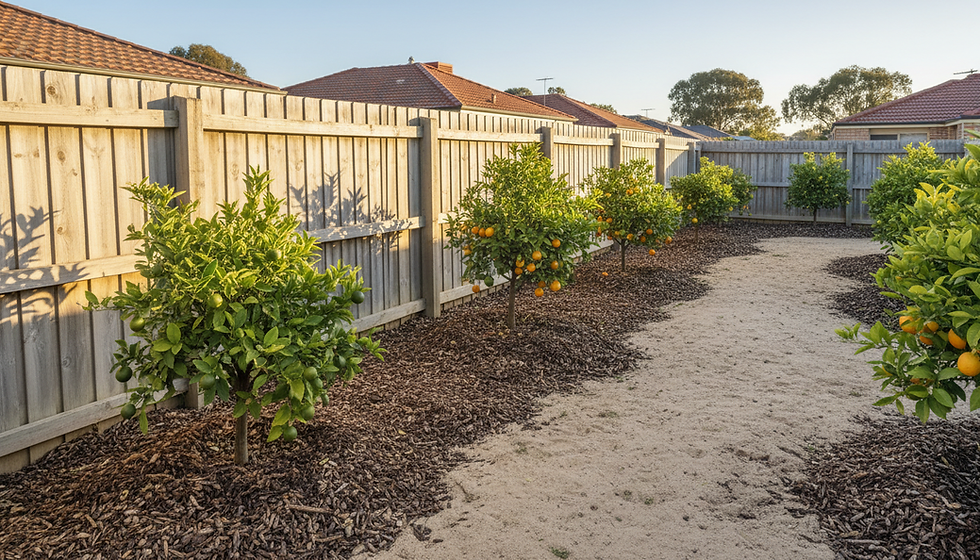
Most citrus trees need a warm, sunny position with good airflow and free-draining soil. In many Australian gardens, the right location is the difference between steady growth and a tree that sits still for years. Aim for a spot that gets at least six hours of sun a day. More sun usually means better flowering, sweeter fruit, and stronger growth.
Match the variety to how you cook and garden
Think first about use. A lemon tree is the classic all-rounder, but it is not the only useful citrus. Limes suit drinks, marinades, curries, and dressings. Mandarins are excellent for families and lunchboxes. Oranges suit juicing and fresh eating. Cumquats work well in small gardens and pots, and they make excellent marmalade.
Citrus type | Best suited to | Garden note |
Lemon | Everyday cooking, juice, zest, preserving | A versatile first citrus for many homes |
Lime | Drinks, Asian-style cooking, fresh juice | Often prefers a warm, protected position |
Mandarin | Fresh eating and lunchboxes | Choose with mature size in mind |
Orange | Fresh eating and juicing | Needs plenty of sun for flavour |
Cumquat | Pots, small gardens, marmalade | Compact and ornamental |
Grapefruit | Larger gardens and strong citrus flavour | Allow more space as it matures |
Choose full-size or dwarf trees carefully
A full-size citrus tree suits an open garden bed where it has space to grow. It can become a strong feature tree and, with time, deliver generous crops.
A dwarf citrus tree suits courtyards, patios, balconies, and smaller suburban blocks. Dwarf does not mean tiny forever. It means more compact and easier to manage, especially in a large pot. For container growing, choose a quality potting mix, a pot with excellent drainage, and a spot with enough light.
Check your climate and planting position
Citrus can be surprisingly tough once established, but young trees need protection while they settle. In cooler areas, plant in a warm microclimate near a north-facing wall, fence, or paved area that holds heat. In hot inland locations, protect young trees from harsh afternoon sun and dry winds until they develop a stronger root system.
Also think about drainage. Citrus dislikes wet feet. If water pools after rain, improve the soil, raise the planting area, or choose a large container instead.

Give newly delivered citrus trees the right start
A new citrus tree needs a gentle transition from nursery conditions to the garden. The first few weeks matter because the tree is adjusting to delivery, a new position, and often a new pot or planting site.
Unpack and inspect the tree promptly
Open the package as soon as possible after delivery. Remove packing materials carefully and check the tree from top to bottom. Look for broken stems, dry potting mix, dropped leaves, or signs of stress.
A few yellow leaves or minor scuffs can happen during transport and may not be a serious problem. What matters is the overall condition. The stem should be firm, the graft union should look sound, and the potting mix should not be waterlogged or bone dry.
Place the tree in bright, sheltered light for a few days before planting if it has been boxed. Avoid sudden exposure to harsh midday sun or strong wind.
Water well, but do not drown the roots
Citrus likes consistent moisture, not soggy soil. After arrival, check the potting mix with a finger. If the top few centimetres feel dry, water deeply until moisture runs from the drainage holes. If the mix is already damp, wait.
For trees planted in the ground, water deeply after planting, then keep the soil lightly moist while roots establish. A common mistake is giving small daily splashes. Deep watering encourages roots to move outward and down.
Plant at the right depth
Plant the tree at the same depth it was growing in the nursery pot. Do not bury the graft union or mound soil against the trunk. A citrus tree planted too deep can struggle with collar rot and poor growth.
When planting in the ground:
Dig a hole wider than the root ball, not much deeper.
Loosen surrounding soil so young roots can spread.
Sit the tree at its original soil level.
Backfill gently and water to settle the soil.
Mulch around the root zone, keeping mulch away from the trunk.
For pots, use a premium potting mix suitable for fruiting trees. Make sure the pot has several drainage holes and enough weight to keep the tree stable in wind.
Feed lightly at the right time
New trees do not need heavy feeding on day one. Let the tree settle first, then feed during the active growing season with a citrus fertiliser according to the label. Citrus also benefits from trace elements, especially in pots where nutrients wash out faster.
Watch the leaves. Pale new growth, yellowing between veins, or poor vigour can point to nutrient issues, water stress, or cold soil. Do not rush to add more fertiliser before checking watering and drainage.
Real garden wins start with the right match
The most encouraging citrus success stories are usually simple. A gardener chooses a variety that suits the space, plants it in sun, waters it well during establishment, and resists the urge to fuss too much.
For example, a small courtyard can support a productive dwarf lemon in a large pot if it gets enough light and regular feeding. A family garden with room for a mandarin can become a seasonal highlight when fruit ripens within easy reach. A keen cook might get more use from a lime or kaffir lime than a second lemon tree.
Customer testimonials for citrus suppliers often focus on these practical wins:
“The tree arrived healthy, settled quickly, and pushed new growth within the season.”
That kind of feedback is valuable because it speaks to the full experience, not just the moment of delivery. A good result includes careful packing, a suitable variety, clear care instructions, and a gardener who follows through once the tree arrives.
Success also looks different depending on the tree’s age. A newly purchased citrus may not fruit heavily straight away, and that is normal. Young trees often put energy into roots and leaf growth first. Flowers and fruit become more reliable as the tree matures and the root system strengthens.

Look for current offers before ordering
Special offers and promotions can make it easier to start a citrus collection or replace a struggling tree with a better-suited variety. Since offers change with season, stock levels, and dispatch timing, the safest approach is to check the current St. Clements Citrus website or ordering page before buying.
Promotions to watch for may include:
Seasonal discounts on selected varieties
Multi-tree offers for mixed citrus collections
Delivery promotions during planting seasons
Limited releases when popular varieties become available
Bundles that pair trees with care products or growing guides
A special offer is only worthwhile if the tree suits the garden. Avoid buying a variety just because it is discounted. A well-chosen citrus tree at full price is usually better value than a bargain tree planted in the wrong spot.
Before placing an order, check three things:
Availability
Citrus stock can be seasonal, and popular varieties may sell out.
Delivery conditions
Confirm where delivery is available and how trees are packed for transport.
Aftercare information
Keep planting and watering instructions handy for the day the tree arrives.
A citrus purchase is more than a plant order. It is the start of a long-term addition to the garden. Choose the tree with care, prepare the planting spot before delivery, and give it steady attention in the first season. With the right variety and a little patience, St. Clements Citrus can help turn a sunny corner, patio, or backyard bed into a reliable source of fresh homegrown fruit.


Comments