
Buy Citrus Trees Online in Perth from the Comfort of Home

A citrus tree is one of the few garden buys that can change a backyard for years. One good lemon or mandarin can turn a bare patio corner into a useful, fragrant, fruiting spot. The tricky part is choosing the right tree before it arrives at your door.
Perth is a great place to grow citrus, but it asks for a little care. Summers can be hot and dry. Many gardens have sandy soil. Coastal wind can be rough on young leaves. Ordering online makes the process easier, as long as you know what to look for before you click “buy”.
When you buy citrus trees online, you can compare varieties, tree sizes, rootstocks and delivery options from home. That means less guessing at the nursery and more chance of choosing a tree that suits your space, your soil and the way you cook.
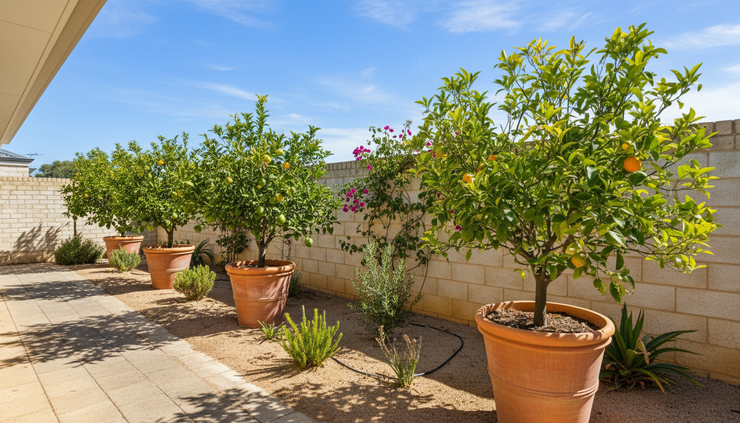
Why buying citrus trees online works well for Perth gardens
Buying plants online used to feel risky. Citrus trees are different. They are easier to compare because the key details are fairly clear: variety, tree size, pot size, whether the plant is grafted, and whether it suits pots or garden beds.
For Perth gardeners, online buying has a few practical upsides.
You can take your time. Instead of deciding in a busy nursery aisle, you can measure your space, check the sun, read variety notes and compare options over a cup of tea. That matters because citrus trees are not annual herbs. A tree can live and fruit for many years when planted well.
You also get access to a wider range. Local nurseries may carry common lemons and mandarins, but online suppliers often list different oranges, limes, cumquats and dwarf forms. If you want a compact Meyer lemon for a courtyard, a Tahitian lime near the kitchen, or a mandarin that is easier for children to peel, online browsing makes comparison simple.
For Perth, the other big benefit is planning around the climate. Citrus likes sun, warmth and free-draining soil. Perth offers plenty of sun, but sandy soils can dry quickly. When buying online, the product details may help you choose a tree that copes better in a pot, a smaller garden, or a windy site.
One thing needs care: Western Australia has strict biosecurity rules. They exist to protect local agriculture and gardens from pests and diseases. When ordering plants, choose suppliers that clearly state they can legally send citrus to WA or are already based in WA. If a store cannot confirm this, do not guess.
Choose the right citrus tree for your space and taste
The best citrus tree is not always the biggest one or the most popular one. It is the tree that fits the spot, gets enough sun, and produces fruit you will actually use.
Most citrus trees need a sunny position. Aim for at least half a day of direct sun, with more being better. In Perth’s hottest areas, a young tree may appreciate some protection from harsh afternoon heat while it settles in. Once established, citrus can handle warm conditions if watered deeply and mulched well.
Before choosing a variety, think about how much room you have.
A full-sized tree suits a larger garden bed where it can spread over time. A dwarf tree suits courtyards, patios and smaller yards. Dwarf does not mean weak. It usually means the tree is grown on rootstock that keeps it more compact, which can make picking, pruning and netting easier.
Potted citrus is popular in Perth because it gives control over soil quality. If your garden soil is very sandy, limestone-heavy, or hard to improve, a large pot can be a smart choice. Use a quality potting mix made for fruiting plants, not ordinary garden soil. The pot should have generous drainage holes, and it should be large enough to support long-term growth.
Common citrus choices include:
Lemon
Reliable, useful and productive. Meyer lemon is often chosen for small spaces because it is compact and less sharply acidic than some other lemons.
Lime
Tahitian lime is a favourite for drinks, dressings and cooking. Limes like warmth and can suit Perth well with the right care.
Mandarin
Sweet and easy to snack on. Mandarins work well where fresh eating matters more than cooking.
Orange
A classic backyard fruit tree. Oranges need enough space and sun to crop well.
Cumquat
Compact, ornamental and generous with small fruit. Cumquats can be excellent in pots.
Grapefruit
Best for larger spaces. Grapefruit trees can become broad and productive when happy.

If you are comparing citrus trees online perth options, focus less on the prettiest photo and more on the plant details. A clear listing should tell you what variety the tree is, whether it is dwarf or full-sized, the approximate plant height, the pot size, and any delivery limits.
What to check before placing an online order
A citrus tree listing should answer the questions you would ask at a nursery. If it does not, look for another supplier or contact them before ordering.
Start with the variety name. “Lemon tree” is broad. “Meyer lemon” or “Eureka lemon” tells you much more. Named varieties help you research fruit flavour, tree habit and likely use.
Next, check whether the tree is grafted. Most quality citrus trees for home gardens are grafted. This means the fruiting variety is joined to a rootstock chosen for strength, size control or soil tolerance. Grafted trees usually fruit sooner and more predictably than seed-grown trees.
Look at the size honestly. A taller tree can be appealing, but larger plants are heavier, more expensive to send and can suffer more stress in transit. A smaller, healthy tree often establishes very well if planted and cared for properly. For many home gardeners, a well-grown young tree is a better buy than a large tree that has been sitting too long in a small pot.
Check the season. Citrus can be planted at different times, but mild weather makes establishment easier. In Perth, avoiding the most punishing heat gives a young tree a better start. If ordering during hot weather, be ready to unpack and water the tree as soon as it arrives.
Read the delivery information. Plants are living goods, so timing matters. Look for clear notes on how the tree is packed, whether shipping is paused during extreme weather, and what to do if the plant arrives damaged. A good seller will explain how they protect the pot, soil and branches during transport.
Also check these details before paying:
The supplier can ship citrus to Western Australia legally.
The plant is suited to pots if you do not have a garden bed.
The expected mature size fits your space.
The tree has clear care notes.
The refund or replacement policy is easy to find.
Delivery timing works with your schedule.
If you live in an apartment, townhouse or rental, measure the final spot before ordering. A citrus tree in a pot still needs sunlight, airflow and access to water. Balconies can work if they get enough sun and the pot is not too heavy for the structure. When in doubt, choose a dwarf tree in a manageable pot rather than a full-sized variety.
How to help a delivered citrus tree settle in
The first week after delivery matters. A citrus tree has been packed, moved and exposed to changing conditions. Even a healthy plant can look a little tired when it reaches your home.
Unpack it gently as soon as possible. Remove packaging from around the leaves and pot. Check the soil moisture with your finger. If the mix feels dry below the surface, water slowly until water drains from the base.
Do not rush to plant it in the hottest part of the day. Give the tree a sheltered spot with bright light for a short settling period, especially if it arrived during warm weather. Avoid dark shade, but protect it from strong wind and harsh afternoon heat while it recovers from transport.
When planting in the ground, improve the area rather than only the planting hole. Perth’s sandy soils often need organic matter to hold moisture and nutrients. Mix compost into the broader planting area and water well before and after planting. Keep the graft union above the soil level. The graft union is the slight swelling or bend low on the trunk where the fruiting variety joins the rootstock.
For pots, choose a container with strong drainage. Citrus hates wet feet, but it also dislikes drying out completely. A quality fruit tree potting mix helps balance moisture and air. Place the pot on feet or small risers so water can drain freely.
Mulch helps a lot in Perth. Use an organic mulch over the root zone, but keep it away from the trunk. A gap around the stem reduces the risk of rot and pests. Mulch keeps the root zone cooler and slows evaporation during dry weather.

Once planted, water deeply rather than giving tiny daily splashes. Deep watering encourages roots to move down and out. In hot weather, potted citrus will need more frequent checking than trees in the ground. Use your finger as a simple guide. If the top few centimetres are dry, it may be time to water.
Avoid heavy feeding straight after arrival. Give the tree time to settle. Once it shows new growth, use a citrus fertiliser according to the packet directions. More is not better. Overfeeding can damage roots and cause leaf problems.
Common mistakes to avoid when buying citrus from home
Online buying is convenient, but it can lead to quick decisions. Slow down on the details and you can avoid the most common regrets.
The first mistake is choosing fruit before choosing the position. A lime might sound perfect, but if the only available spot gets two hours of weak sun, the tree will struggle. Match the plant to the light you have.
The second mistake is ignoring mature size. Citrus trees grow slowly compared with some garden plants, yet they still need room. A full-sized orange squeezed into a narrow side path will soon become hard to manage. A dwarf form would suit that space better.
The third mistake is buying from a supplier that does not discuss WA delivery. Biosecurity rules are not a minor detail. If a plant cannot be legally sent to Perth, the order may be cancelled, delayed, or rejected. Buy from sellers that make WA shipping clear.
The fourth mistake is planting into poor soil without preparation. Sandy soil drains fast, which can leave citrus thirsty and hungry. Before planting, improve the soil with compost and keep up mulch. For very difficult sites, a pot or raised bed may give better results.
The fifth mistake is expecting instant fruit. Some trees arrive with flowers or small fruit, but young citrus often needs time to establish before cropping well. Removing early fruit from a small tree can help it put energy into roots and branches. That can mean a stronger tree later.
Watch for early warning signs after planting:
Leaves curling during heat
The tree may need deeper watering or temporary shade.
Yellowing leaves
This can point to nutrient issues, water stress, or pH problems.
Leaf drop after delivery
A small amount can be transport stress. Ongoing leaf drop needs attention.
Ants or sticky leaves
Check for sap-sucking pests such as scale or aphids.
Water sitting on the surface
Drainage may be poor, especially in a pot.
Good care is steady rather than complicated. Sun, drainage, water, mulch and seasonal feeding do most of the work.
Make your online citrus order count
A citrus tree is both a practical purchase and a long-term garden decision. The best results come from matching the variety to the place. A sunny courtyard may be perfect for a dwarf lime. A wide backyard may suit an orange or grapefruit. A kitchen-side patio may call for a lemon that gets used every week.
The comfort of buying from home is more than convenience. It gives you time to choose carefully. You can compare dwarf and full-sized trees, check shipping rules, read care notes, and prepare the pot or garden bed before the tree arrives.

Before ordering, walk outside and stand where the tree will live. Notice the sun, wind, heat and space. Measure if needed. Then choose the citrus that fits that real spot, not the ideal garden in your head.
Do that, and buying citrus trees online from home in Perth becomes a simple path to fresh lemons, limes, mandarins or oranges within reach. The tree that arrives at your door is only the start. With the right position and patient care, it can become one of the most useful plants in the garden.


Comments