
Dwarf Semi-Dwarf or Regular Citrus Trees Which Is Best for Your Perth Garden

A citrus tree can be the most rewarding plant in the garden, until it grows twice as wide as expected, shades the veggie bed, or sulks in a pot that is too small. The difference between a dwarf, semi-dwarf and regular citrus tree is not just height. It affects fruit yield, pruning, watering, root space, harvest access and how well the tree copes with Perth’s hot, dry summers.
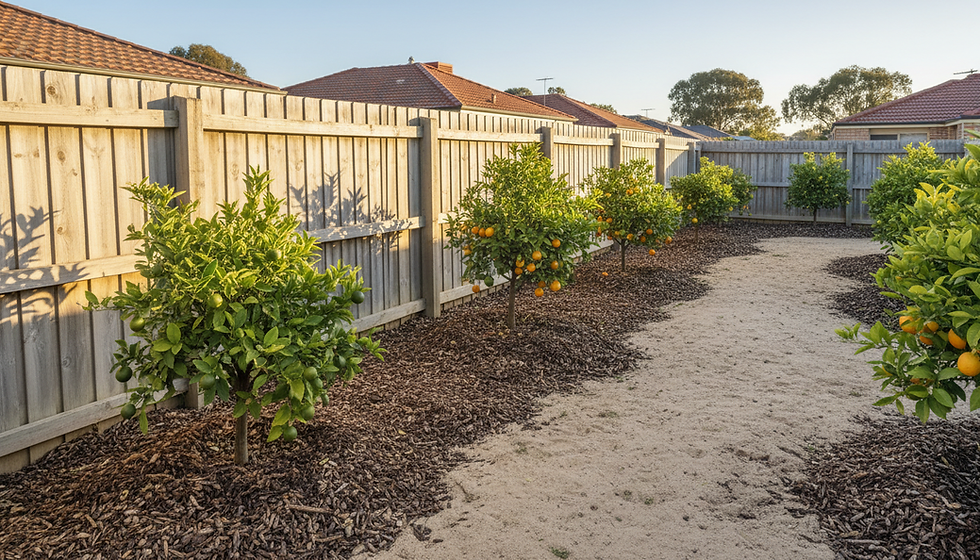
Perth is good citrus country. Lemons, limes, mandarins, oranges and grapefruit can all do well with enough sun, drainage and summer water. The trick is matching the tree size to the space. A courtyard, a narrow side garden and a large backyard all call for different choices.
This guide compares Dwarf vs Semi-Dwarf vs Regular Citrus Trees in practical terms, so the right option is easier to choose before the tree is in the ground.

The real difference is rootstock and final size
Most citrus trees sold for home gardens are grafted. That means the fruiting variety, such as Meyer lemon or Imperial mandarin, grows on a selected rootstock. The rootstock affects vigour, size, soil tolerance and sometimes disease resistance.
A dwarf citrus tree uses a rootstock that slows growth. The fruit is usually normal sized, but the tree stays more compact.
A semi-dwarf tree sits in the middle. It gives more canopy and often more fruit than a dwarf, but it remains easier to manage than a regular tree.
A regular citrus tree grows with full vigour. It can become a broad, long-lived feature tree if it has enough space.
The label at the nursery matters. “Dwarf” does not mean tiny forever, and “regular” does not mean unmanageable if pruned well. Citrus grows according to its rootstock, variety, climate, soil, water and care.
For Perth gardens, that last part matters. Citrus loves sun, but it can struggle in very sandy soil if water and nutrients drain away too quickly. A smaller tree in a pot may need more frequent watering than a larger tree in improved ground.
Dwarf citrus trees suit pots, courtyards and small gardens
Dwarf citrus is the best fit when space is tight. It works well in courtyards, balconies, rental gardens, paved areas and small backyards where every square metre counts.
A dwarf lemon, lime or mandarin can grow happily in a large pot if it gets full sun, quality potting mix and regular feeding. The compact size also makes harvest, pruning and pest checks much easier.
Choose dwarf citrus when:
The garden has limited open soil
A tree must stay below fence height
Fruit needs to be easy to reach
The tree will grow in a pot
The garden already has shade from buildings or other trees
Dwarf trees are also forgiving for new citrus growers. They are easier to net against birds, easier to move if potted, and less intimidating to prune.
The trade-off is yield. A healthy dwarf tree can still produce a useful crop, but it will not match the harvest from a larger tree growing in the ground. It also has less root volume, so it feels stress sooner in hot weather.
In Perth, a potted dwarf citrus needs special care through summer. Dark pots can heat up, potting mix can dry fast, and hot easterly winds can scorch tender growth. A large light-coloured pot, mulch and consistent watering make a big difference.
Semi-dwarf citrus is the best all-round choice for many homes
Semi-dwarf citrus often gives the best balance for suburban gardens. It has enough size to produce generous crops, but it can still fit into a managed home garden.
This is usually the “sweet spot” for gardeners who want real harvests without dealing with a large canopy. A semi-dwarf orange, mandarin or lemon can become a productive feature without taking over the whole yard.
Semi-dwarf trees suit:
Medium backyards
Front gardens with good sun
Espalier training along a fence
Productive garden beds
Families who use citrus often for cooking and drinks
They also cope better than dwarf trees when planted in improved ground. More root space helps the tree handle summer heat, provided it has deep watering and mulch.
Semi-dwarf citrus still needs pruning, but the job stays manageable. You can keep the canopy open, remove dead or crossing branches, and maintain a practical harvest height without major equipment.
If the garden has enough room for a tree around the size of a small ornamental tree, semi-dwarf is often the safest choice. It gives more flexibility than dwarf citrus and fewer long-term space problems than a regular tree.

Regular citrus trees need space, soil improvement and a long view
Regular citrus trees are the right choice when the garden can support a larger, permanent tree. They suit broad backyards, acreage, older gardens and productive home orchards.
A regular lemon, orange or grapefruit can become a serious food-producing tree with the right care. It can also provide shade, structure and a strong focal point. For people who preserve fruit, juice regularly or share harvests with neighbours, regular citrus can make sense.
The challenge is scale. A full-sized tree needs more root space and more canopy space. It can shade nearby beds, crowd paths, press against fences and become harder to harvest. Pruning also takes more time.
Regular citrus is less suited to:
Narrow garden beds
Small courtyards
Pots
Sites close to paving or walls
Gardens with overhead wires or limited access
Perth’s sandy soils can make regular citrus both promising and demanding. The tree has room to grow, but the soil often needs compost, clay-based soil improver, mulch and steady irrigation to hold moisture and nutrients. Citrus roots dislike sitting in water, so drainage still matters.
A regular tree is a long-term commitment. Plant it where it can stay. Moving citrus later is hard, and mature trees do not enjoy major root disturbance.
A quick comparison of the three options
The simplest way to choose is to start with space, then think about fruit needs and maintenance.
Type | Best suited to | Main strength | Main compromise |
Dwarf citrus | Pots, courtyards, small garden beds | Easy to manage and harvest | Smaller crop and more watering pressure in pots |
Semi-dwarf citrus | Most suburban gardens | Good balance of size, fruit and care | Still needs regular pruning and space planning |
Regular citrus | Large gardens and home orchards | Highest long-term crop potential | Needs room, stronger pruning and better access |
For a small paved courtyard, choose dwarf. For a typical backyard with a sunny corner, choose semi-dwarf. For a large open block where citrus can grow for decades, choose regular.
That sounds simple, but citrus variety also matters. Lemons tend to be very useful in small gardens because a few fruit go a long way in cooking. Mandarins are popular for families, but they may have a shorter harvest window. Oranges and grapefruit can need more room if grown as regular trees.
Perth conditions change the decision
A citrus tree in a mild coastal suburb may behave differently from one in a hotter inland pocket. The same variety can grow faster, slower, broader or more compact depending on exposure and care.
For a Perth Garden, the biggest issues are usually sun, soil, wind and water.
Citrus needs plenty of direct sun. A spot with at least most of the day in sun will usually produce better fruit than a shaded corner. Morning sun with harsh afternoon protection can work well for potted dwarfs, especially near heat-reflective paving.
Sandy soil needs improvement before planting. Mix organic matter through a broad planting area rather than only filling a small hole with rich compost. If the improved hole holds too much water while surrounding sand stays dry, roots may not spread evenly.
Mulch is essential, but keep it away from the trunk. A wide mulch ring helps cool the root zone and slow evaporation. In summer, deep watering encourages roots to move down rather than staying near the surface.
Wind can be harsh on young citrus. Hot, dry winds can burn new leaves and dry potting mix quickly. A temporary shade cloth screen or nearby shelter plant can help a young tree establish, as long as it still gets enough sun.

Pots can work well, but only with the right expectations
A dwarf citrus in a pot can be beautiful and productive. It can sit near the kitchen, brighten a courtyard and move house with a renter. Still, potted citrus is not a set-and-forget plant.
The pot controls the root system, which controls the tree. A small pot dries quickly, heats up quickly and limits nutrient storage. A larger pot gives roots more buffer.
Use a premium potting mix made for containers, not garden soil. Garden soil can slump, hold uneven moisture and reduce air around roots when used in pots. Choose a pot with generous drainage holes and keep it raised slightly so water can escape.
Potted citrus needs:
Regular watering through warm months
Citrus fertiliser during active growth
Occasional repotting or root pruning
Mulch on top of the mix
Pest checks on new growth
If leaves curl, yellow or drop, the cause might be water stress, nutrient shortage, pests, poor drainage or sudden heat. Check the basics before adding more fertiliser. A dry root ball will not take up nutrients well.
Semi-dwarf citrus can grow in very large containers for a time, but dwarf varieties are the better long-term pot choice. Regular citrus should go in the ground unless it is being held temporarily.
How to choose the right size before buying
Before visiting a nursery, measure the planting area. Guessing usually leads to overplanting.
Stand in the spot and picture the mature canopy, not the tree in its nursery bag. Leave room for paths, washing lines, fences, outdoor furniture and nearby plants. Citrus also needs airflow, so avoid squeezing it into a tight corner.
Ask these questions:
How much sun does the spot get in winter and summer?
Will the tree grow in the ground or a pot?
How much fruit is realistic for the household?
Can the tree be watered deeply in summer?
Will pruning and harvesting be easy in five years?
Is there enough room for mulch around the base?
If the answers feel uncertain, pick the smaller option. A well-grown dwarf or semi-dwarf tree is better than a regular tree that needs constant hard pruning to fit.
The best citrus size is the one that can grow naturally with light shaping. If a tree must be cut back heavily every year, it was probably the wrong size for the site.

The best choice for most Perth gardens
For many Perth homes, semi-dwarf citrus is the most practical choice. It gives enough fruit to feel worthwhile, stays easier to manage than a regular tree, and copes better in the ground than a small potted dwarf during hot spells.
Choose dwarf citrus if the tree must live in a pot or fit into a compact courtyard. It is ideal when access, neatness and flexibility matter more than large harvests.
Choose regular citrus if there is generous space and a clear plan for a long-lived productive tree. Give it improved soil, deep watering, mulch and room to spread.
A citrus tree should make the garden easier to enjoy, not harder to manage. Match the tree to the space first, then choose the variety. That one decision will shape every harvest, pruning job and summer watering session for years.


Comments