
Grow a Blood Orange Tree Indoors for Beauty Fragrance and Fresh Fruit
- stuart taylor

- 11 minutes ago
- 7 min read
A blood orange tree can turn a bright room into something far more special than a place to keep houseplants. It brings glossy evergreen leaves, sweet citrus blossom, and, with patience, fruit that looks as good sliced open as it tastes.
Indoor citrus asks for more care than a pothos or peace lily, but the reward is bigger too. A healthy tree becomes part of the home. It changes with the seasons, scents the air when it flowers, and can produce small crops of richly coloured oranges once it matures.
The key is to treat it like a fruiting tree, not a decoration. That means strong light, the right pot, careful watering, steady feeding, and a little troubleshooting when indoor conditions fall short.

Why a blood orange tree makes a rewarding indoor plant
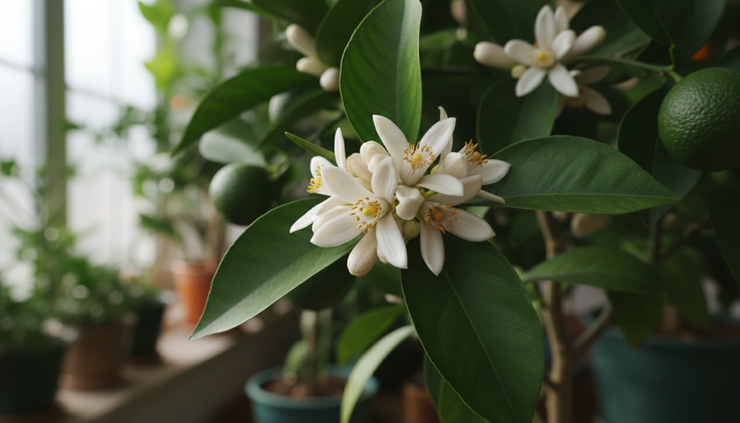
A blood orange has all the appeal of an ornamental plant, with the bonus of edible fruit. The leaves are deep green and softly fragrant when brushed. The flowers are small, white, and intensely scented. Even before fruit appears, the tree earns its place indoors.
The fruit is the real showpiece. Blood oranges are known for their blush to ruby-red flesh, which develops when the fruit colours under the right conditions. Indoors, the depth of colour can vary, especially if the tree does not experience cooler nights, but even lightly flushed fruit feels like a homegrown prize.
There are several reasons a blood orange tree as an indoor plant works well in the right home:
It stays attractive year-round because it is evergreen.
It brings natural fragrance without candles or sprays.
It suits pots, especially when grown on dwarfing rootstock.
It can be moved to catch better light or avoid cold draughts.
It offers a long-term project with visible seasonal progress.
For smaller homes, choose a dwarf or semi-dwarf variety from a reputable nursery. A grafted tree is usually the best choice because it fruits earlier and has a known variety. Seed-grown citrus can be fun, but it may take many years to fruit and may not match the parent fruit.
The main benefit is balance: beauty now, fragrance soon, and fruit later when the tree is mature and well cared for.
Give it the light temperature and humidity it needs
Indoor citrus care starts with one non-negotiable need: light. Blood orange trees are sun-loving plants. Without enough light, they become thin, weak, and reluctant to flower.
A bright north-facing window is often the best indoor position in Australia, especially if it receives several hours of direct sun. East-facing windows can work if the light is strong and consistent. South-facing rooms are usually too dim unless helped by a quality grow light.
Growing need | Best indoor range | What to watch for |
Light | At least 6 hours of bright light daily | Thin growth, leaf drop, no flowers |
Temperature | Mild to warm indoor conditions, roughly 18°C to 27°C | Stress from cold draughts or heat vents |
Humidity | Moderate humidity with good airflow | Dry leaf edges, spider mites, flower drop |
Air movement | Gentle airflow, not strong wind | Fungal issues in still, damp rooms |
A blood orange tree can tolerate slightly cooler conditions, and cool nights can help fruit colour develop. The problem indoors is sudden stress. A tree placed near a frequently opened door, cold window glass, heater, or air conditioner may drop leaves or flowers.
Humidity matters too. Many homes become dry during heating or cooling seasons. Citrus does not need a tropical greenhouse, but it dislikes very dry air. Raise humidity by grouping plants together, placing the pot near a tray of pebbles and water, or using a humidifier in the room. Keep the base of the pot above standing water so the roots do not sit wet.
Good airflow is just as useful as humidity. To prevent stale, damp conditions, open a window on mild days or use a small fan on a low setting nearby. Do not aim strong air directly at the tree.
Pot it properly so the roots can breathe
The pot and soil decide how easy the tree is to care for. Citrus hates sitting in soggy mix, but it also struggles if the potting medium dries into a hard block. The goal is a free-draining mix that still holds enough moisture for steady growth.
Choose a pot with several drainage holes. Terracotta looks beautiful and helps excess moisture evaporate, but it dries faster in warm rooms. Plastic or glazed ceramic holds moisture longer, which can help in a sunny position but needs careful watering.
Start with a pot only one size larger than the nursery pot. A very large pot can hold too much unused wet mix around the roots, which increases the risk of root rot. Repot gradually as the tree grows.
Use a premium citrus or fruit tree potting mix. If the mix feels heavy, improve drainage with coarse perlite or fine pine bark. Avoid using garden soil in a pot. It compacts, drains poorly, and can bring pests indoors.
When repotting:
Water the tree a few hours before moving it.
Slide it out gently and check the roots.
Loosen only the outer roots if they circle tightly.
Place the tree at the same soil level as before.
Fill around the root ball and firm the mix lightly.
Water well until water runs from the drainage holes.
The graft union, if visible, should sit above the potting mix. Do not bury the trunk. Mulch can help outdoors, but indoors it can hide fungus gnats and keep the surface too damp, so use it sparingly or skip it.
A stable pot also matters. Citrus can become top-heavy, especially when carrying fruit. Choose a pot with enough weight or place it inside a heavier decorative cover pot. If you use a cover pot, always tip out excess water after watering.
Water and feed with a fruiting tree in mind
Watering is where many indoor citrus problems begin. Blood orange trees need consistent moisture, but not wet feet. Let the top few centimetres of potting mix dry before watering again. Then water deeply, not with small daily splashes.
A deep watering encourages roots to grow through the pot. Light surface watering keeps roots shallow and can leave dry pockets lower down.
The easiest test is simple. Push a finger into the mix. If the top layer feels dry but the mix below is slightly cool and barely moist, it is close to watering time. If it still feels wet, wait.
Watering needs change with the season:
In active growth during spring and summer, the tree may need water more often.
In cooler months, growth slows and the pot dries more slowly.
A tree in terracotta dries faster than one in plastic.
A tree near glass or low indoor humidity may need closer checks.
Feed regularly during the growing season. A citrus fertiliser is best because it supplies nitrogen for leaves, potassium for flowering and fruit, and trace elements such as iron, magnesium, and zinc. Follow the label rather than guessing. More fertiliser does not mean more fruit. It can burn roots and cause salt build-up in the potting mix.
Liquid feeds are easy to apply to potted trees, while slow-release citrus fertilisers offer steady nutrition. Many indoor growers use both, with a slow-release base and occasional liquid feeding during active growth. If leaves look pale with green veins, the tree may lack iron or other trace elements, especially if the potting mix has become too alkaline.
Flush the pot every so often by watering thoroughly and letting plenty drain away. This helps wash out built-up salts from fertiliser and tap water. Always let the pot drain freely afterwards.

Solve common indoor citrus problems early
Even a well-loved citrus tree can sulk indoors. Most problems link back to light, water, pests, or sudden changes. The sooner the cause is found, the easier it is to fix.
Leaf drop
Leaf drop often follows a move from outdoors to indoors, a cold draught, low light, or overwatering. Keep conditions steady and avoid moving the tree from one room to another too often. If the potting mix is wet and the leaves are dropping, check drainage and let the mix dry slightly before watering again.
Yellow leaves
Yellow leaves can point to several issues. Uniform yellowing may come from overwatering or poor roots. Yellow leaves with green veins often suggest a nutrient issue. Use a citrus fertiliser with trace elements, and check that the potting mix drains well.
No flowers or fruit
A tree that does not flower may be too young, underfed, or short on light. Fruiting citrus needs energy. Move it to the brightest suitable window or use a grow light. Do not expect a young tree to carry a heavy crop. Removing some early fruit can help the tree build strength.
Flowers drop before fruit forms
Indoor flowers may drop because of dry air, temperature swings, or lack of pollination. Blood orange flowers are usually self-fertile, but indoors they may need help. Use a small soft brush to move pollen from flower to flower, or gently tap flowering stems to release pollen.
Sticky leaves or tiny pests
Scale, aphids, mealybugs, and spider mites can all trouble indoor citrus. Check the undersides of leaves and along stems. Sticky residue often points to sap-sucking pests. Wipe leaves with a damp cloth, remove visible pests by hand, and use horticultural oil or insecticidal soap suited to edible plants. Repeat treatment as directed, because one spray rarely solves the whole problem.
Fungus gnats
Small flies around the pot usually mean the surface mix is staying too damp. Let the top layer dry between waterings, improve airflow, and avoid decorative mulches that trap moisture.
Most indoor citrus setbacks are fixable. The tree may lose leaves while adjusting, but if the stems stay green and the roots are healthy, it can recover. Patience is part of growing a blood orange tree indoors.

Enjoy the beauty now and the harvest later
There is a special kind of satisfaction in growing fruit indoors. The tree asks for attention, yet gives plenty back along the way. New leaf growth brings a fresh flush of green. Buds swell slowly, then open into fragrant flowers. Small green fruit forms, hangs for months, and gradually colours.
When fruit is ready, it should feel heavy for its size and come away with a gentle twist. Blood oranges grown indoors may not always develop the deepest red flesh, especially in consistently warm rooms, but they can still taste fresh, bright, and sweet-tart. Use them in salads, desserts, drinks, or simply sliced on a plate so the colour can be enjoyed.
For the best long-term results, give the tree a simple routine:
Place it in the brightest spot available.
Keep temperatures steady and protect it from draughts.
Water deeply, then let the upper mix dry.
Feed during active growth with citrus fertiliser.
Check leaves often for pests.
Repot only when the roots need more space.
A blood orange tree is not the lowest-care indoor plant, but it is one of the most rewarding. Treat it as a living fruit tree in miniature, and it can bring beauty, fragrance, and the pleasure of homegrown citrus into the home for years.


Comments