
Growing a Lime Tree in Perth: A Guide for Gardeners

Perth is kind to citrus in many ways, but it is not effortless. The long, dry summers, sandy soils, hot easterlies and winter rain all shape how limes grow. Get the basics right early, and a lime can become one of the most useful trees in the garden, giving fruit for drinks, marinades, curries, salads and desserts.
The main trick is to treat Perth as its own growing environment. A general citrus guide may tell you to water regularly, feed often and plant in sun. That is true, but Perth gardeners also need to think about water-holding soil, summer heat, coastal wind, alkaline conditions and sunburn on young trees.
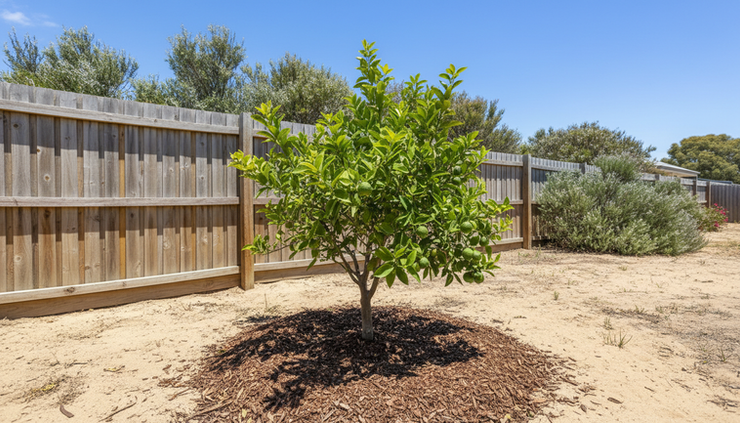
Choose the right lime for Perth conditions
Most home gardeners in Perth grow one of three common lime types. Each has its place, so the best choice depends on how much space you have and how you plan to use the fruit.
Lime type | Best for | What to know |
Tahitian lime | Reliable crops, juicy fruit, everyday cooking | Often the easiest choice for Perth gardens. Fruit is usually larger and mostly seedless. |
West Indian lime | Strong lime flavour, smaller fruit | More sensitive to cold and wind. Better in a protected, warm spot. |
Makrut lime | Fragrant leaves for cooking | Grown mainly for leaves. Fruit is bumpy and less useful for juicing. |
Dwarf lime | Pots, courtyards, rentals and small gardens | Needs careful watering and feeding because pots dry out fast in summer. |
For most suburban gardens, Tahitian lime is the safest starting point. It handles warm conditions well, crops reliably once established and suits both garden beds and larger pots.
A West Indian lime has excellent flavour, but it prefers a warm, sheltered position. If your garden gets strong winter winds, frost pockets or harsh summer exposure, it may struggle unless protected.
Makrut lime is worth growing if you cook Thai, Indonesian or Malaysian dishes. The leaves are the prize. Plant it where you can easily harvest a few leaves without brushing against thorns.
If you are choosing a lime tree for Perth gardener conditions, look for a strong grafted plant with healthy green leaves, no scale insects and no roots circling heavily around the pot. A smaller, vigorous tree often establishes better than a large, stressed one.
Give it sun, shelter and breathing room
Limes need plenty of light. Aim for at least 6 hours of direct sun in winter and more through the warmer months. Morning sun with some protection from the fiercest afternoon heat can work well, especially for young trees.
A good planting spot has:
Full sun or near full sun
Shelter from strong easterly winds
Good drainage after winter rain
Space for air movement around the canopy
Easy access for watering, feeding and harvesting
Avoid planting too close to paving, limestone walls or reflective surfaces where heat can build up. Young citrus leaves and thin branches can scorch during extreme heat, especially if the tree is short of water.
Wind matters more than many gardeners expect. Hot, dry wind pulls moisture from the leaves faster than the roots can replace it. That can cause leaf curl, fruit drop and slow growth. A fence, hedge, shade cloth screen or mixed planting can reduce wind without trapping the tree in stagnant air.
Do not tuck a lime tightly into a dark corner. Citrus needs airflow to reduce fungal problems and make pest checks easier. Leave enough space to walk around the tree once it matures.
Improve Perth’s sandy soil before planting
Perth’s sandy soil drains quickly, which is good for avoiding waterlogged roots, but it also loses water and nutrients fast. A lime needs better soil than plain sand.
Before planting, improve a wide area rather than just the hole. Citrus roots spread out near the surface, so a generous planting zone helps more than a deep, rich pocket.
Work through:
Mature compost
Well-rotted manure in modest amounts
A clay-based soil improver if your soil is very water-repellent
A quality wetting agent suited to garden beds
Coarse mulch for the surface after planting
Keep fresh manure and strong fertiliser away from young roots. Citrus roots can burn if the planting hole is too rich.
Perth soils are often alkaline, especially near limestone. Citrus prefers slightly acidic to neutral conditions, so nutrient lock-up can happen. If leaves turn yellow while veins stay green, the tree may have trouble taking up iron or other trace elements. A citrus fertiliser with trace elements can help, and in stubborn cases a chelated iron product may be useful.

Plant at the right time and depth
The best planting times in Perth are usually autumn and spring. Autumn gives the tree time to settle before the next summer. Spring works well too, as long as you stay on top of watering when the weather heats up.
Avoid planting during a heatwave. A young citrus placed into hot sand during severe summer weather can go backwards quickly.
To plant well:
Water the potted tree before planting.
Dig a hole as deep as the root ball and wider than the pot.
Loosen the surrounding soil so roots can spread.
Place the tree so the top of the root ball sits level with the surrounding soil.
Keep the graft union above soil level.
Backfill gently and firm the soil without compacting it hard.
Water deeply to settle soil around the roots.
Mulch around the tree, keeping mulch away from the trunk.
The graft union is the raised or angled join near the lower trunk. Do not bury it. If the graft is covered, the tree can become less healthy and may sprout from the rootstock.
Make a shallow watering basin around the tree for the first season. This helps water soak near the root zone rather than running away across dry sand.
Water deeply through the first summers
A newly planted lime needs regular water while roots move into the surrounding soil. In Perth, the first two summers are the most important.
Deep watering works better than quick splashes. Shallow watering encourages shallow roots, which suffer faster in heat.
A simple approach is to water slowly until the soil is moist below the surface, then let the top layer begin to dry before watering again. Check with your finger or a small trowel. Sandy soil can look dry on top while still holding some moisture deeper down, or it can become dry throughout after hot wind.
Potted limes need more attention. A pot in full sun can dry out very quickly in January or February. Large pots help because they hold more soil and buffer heat better than small containers.
Good watering habits include:
Watering early in the morning where possible
Using mulch to reduce evaporation
Checking pots during hot spells
Avoiding constant sogginess
Keeping water off the trunk where practical
Overwatering can be just as damaging as underwatering, especially in winter. Citrus roots need oxygen. If the soil stays wet and sour, roots can rot and the canopy may yellow.
Feed for steady growth, flowers and fruit
Citrus are hungry plants, but feeding works best when it is steady rather than heavy. Use a complete citrus fertiliser with trace elements and follow the label rate for the tree’s size and age.
In Perth, feeding is usually most useful during the active growing seasons: spring, early summer and late summer to early autumn. Avoid pushing soft new growth late in autumn if cold weather is coming.
A healthy lime tree should produce glossy leaves, steady new shoots and flowers as it matures. If the tree grows strongly but never fruits, it may be too young, shaded, overfed with nitrogen or under stress from irregular watering.
Watch the leaves. They often tell the story.
Leaf symptom | Possible cause | What to do |
Yellow leaves with green veins | Iron or trace element lock-up | Use citrus fertiliser with trace elements and check soil pH issues. |
Pale older leaves | Low nitrogen or general hunger | Feed in the growing season and water well after applying fertiliser. |
Leaf curl in hot weather | Heat, wind or dry roots | Deep water and improve shelter. |
Burnt leaf edges | Salt, heat stress or fertiliser burn | Flush soil gently and avoid overfeeding. |
Sticky leaves | Scale, aphids or other sap-sucking pests | Inspect stems and leaf undersides. |
Do not fertilise a thirsty tree. Water first, then feed, then water again lightly if the product requires it. Fertiliser salts can damage dry roots.

Mulch well, but keep the trunk clear
Mulch is one of the easiest ways to help a lime in Perth. It keeps soil cooler, slows evaporation and improves the topsoil as it breaks down.
Use coarse organic mulch such as tree prunings, straw, lupin mulch or composted wood chips. Spread it out to the drip line if possible. Keep a clear gap around the trunk, roughly a handspan, so moisture does not sit against the bark.
Refresh mulch before summer. If your soil is water-repellent, apply a wetting agent before heavy mulching so water can actually soak in. Mulch over hydrophobic sand can sometimes shed water sideways if the soil underneath has not been treated.
Prune lightly and shape the tree early
Limes do not need hard pruning every year. Light, regular shaping is better.
In the early years, aim for a strong open framework. Remove weak crossing branches, dead wood and any shoots growing from below the graft. Rootstock shoots can grow fast and steal energy from the grafted lime.
Prune after harvest or in mild weather. Avoid heavy pruning before extreme heat because suddenly exposed branches can sunburn. If you remove a large branch and expose the trunk, consider temporary shade or whitewash made for fruit trees.
For home gardens, keep the tree at a practical height. A tree that is easy to net, spray, inspect and harvest will get better care.
Remove fruit from a very young tree if branches are bending or growth has stalled. It can feel harsh, but letting the tree build roots and structure first often leads to better crops later.
Manage common Perth citrus pests
Limes attract the same pests as other citrus. Regular checking is easier than rescuing a badly infested tree.
Common problems include:
Citrus leafminer
Silvery trails and curled new leaves. Most common on soft flush growth. Control is hardest once larvae are inside the leaf, so protect new growth if problems repeat.
Scale insects
Small brown, black or white bumps on stems and leaves. They suck sap and can lead to sticky honeydew and sooty mould.
Aphids
Clusters on new shoots and flower buds. They distort soft growth and attract ants.
Citrus gall wasp
Swollen lumps on stems. Prune out affected sections before the wasp emerges, following local timing guidance where available.
Sooty mould
A black coating that grows on honeydew from sap-sucking insects. Treat the pest source rather than only washing leaves.
Encourage beneficial insects by avoiding broad, unnecessary insecticide use. Ladybirds, lacewings and small parasitic wasps can help keep pest numbers down.
Ants often protect scale and aphids because they feed on honeydew. If pests return quickly after treatment, check whether ants are farming them.
Grow limes successfully in pots
A potted lime is a good option for courtyards, patios and rentals. Choose a dwarf variety or a naturally compact tree, and start with a pot large enough to stay stable and hold moisture.
The pot must have excellent drainage. Use a premium potting mix, not garden soil. Garden soil in pots can become dense, poorly drained and difficult to re-wet.
For potted limes:
Place the pot where it gets strong sun but some heat protection
Raise it slightly on pot feet so water drains freely
Water until liquid runs from the drainage holes
Feed with a citrus fertiliser suitable for pots
Re-pot or refresh mix when growth slows and roots fill the container
Dark pots can become very hot in Perth summer sun. If roots overheat, the tree may wilt even when watered. A lighter pot, outer decorative sleeve or afternoon shade can make a real difference.

Know when to harvest and how to use the fruit
Limes are usually picked green, before they turn yellow. The best test is feel and juice. A ready lime feels heavy for its size and gives slightly when squeezed. Very hard fruit may need more time.
Fruit can stay on the tree for a while, but leaving too much mature fruit hanging can slow the next cycle. Pick regularly once fruit is ready.
Use fresh limes in:
Sparkling water, cocktails and iced tea
Fish, chicken and vegetable marinades
Lime curd, cakes and slices
Chutneys and dressings
Thai-style salads and noodle dishes
Freezer juice cubes for later use
If a tree drops small fruit, do not panic. Citrus often sheds more fruit than it can carry, especially when young or stressed. Sudden heat, dry soil, poor pollination or heavy flowering can all play a part.
The yearly rhythm for Perth lime care
A simple seasonal rhythm keeps care manageable.
Season | What to focus on |
Spring | Feed, water as growth starts, watch for pests on soft new shoots. |
Summer | Deep water, protect from heat stress, maintain mulch, check pots often. |
Autumn | Plant new trees, feed lightly if growth is active, harvest mature fruit. |
Winter | Reduce watering, check drainage, prune lightly if needed, avoid waterlogging. |
The key is consistency. Limes dislike extremes: bone-dry soil followed by flooding, deep shade followed by harsh exposure, or heavy fertiliser after weeks of neglect.
A productive tree in Perth starts with the right variety, a sheltered sunny position and soil that can hold water without staying soggy. Build those foundations, then keep up with watering, mulch, light feeding and pest checks.
Do that, and your lime will stop being a fussy citrus project and become a practical part of the garden. Fresh fruit from a tree near the kitchen is hard to beat.


Comments