
Growing a Nectarine Tree in Perth: Tips for Success
- stuart taylor

- Jan 13
- 3 min read
Updated: Jan 14
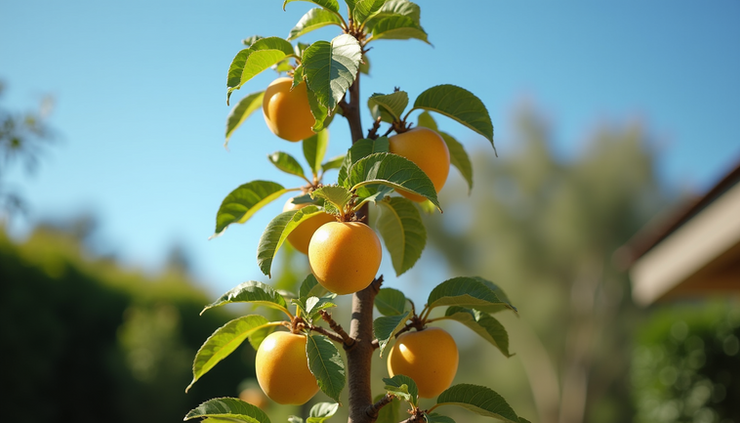
Growing a nectarine tree in Perth can be a rewarding experience for gardeners who want fresh, juicy fruit right from their backyard. The region’s Mediterranean climate offers a good environment for nectarine trees, but success depends on understanding the specific needs of the tree and local conditions. This guide shares practical tips to help you grow a healthy nectarine tree that produces delicious fruit.
Choosing the Right Nectarine Variety for Perth
Not all nectarine trees thrive equally well in Perth’s climate. Selecting a variety suited to the local weather and soil is the first step.
Chill Hours: Nectarine trees need a certain number of chill hours (hours below 7°C) to produce fruit. Perth’s mild winters mean low chill varieties are best.
Recommended Varieties: Varieties like ‘Necta Zee’, ‘Sunred’, and ‘Fantasia’ perform well in Perth’s climate.
Disease Resistance: Choose varieties resistant to common diseases such as brown rot and leaf curl to reduce maintenance.
Local nurseries and garden centres in Perth often stock varieties adapted to the area. Asking for advice there can help you pick the best tree for your garden.
Preparing the Planting Site
The right location and soil preparation are crucial for a nectarine tree’s growth.
Sunlight: Nectarine trees need full sun, at least 6 to 8 hours daily, to produce sweet fruit.
Soil Type: Well-drained sandy loam soils are ideal. Perth soils can be sandy, so improving soil with organic matter helps retain moisture and nutrients.
pH Level: Aim for a soil pH between 6.0 and 7.0. Test your soil and adjust if necessary using lime or sulfur.
Space: Plant your tree at least 3 to 4 meters away from other trees or structures to allow good air circulation and root growth.
Dig a hole twice as wide and deep as the root ball. Mix compost or aged manure into the soil before planting to boost fertility.
Planting and Early Care
Plant your nectarine tree during the cooler months, ideally in late winter or early spring, to help it establish before the hot summer.
Remove any damaged roots and soak the root ball in water before planting.
Place the tree in the hole so the graft union (the swollen area near the base) is above soil level.
Backfill with soil and water deeply to settle the roots.
Apply a 5 to 10 cm layer of mulch around the base, keeping it away from the trunk to prevent rot.
Water the tree regularly during the first year, especially in dry periods. Deep watering encourages strong root development.
Pruning for Health and Fruit Production
Pruning nectarine trees improves airflow, sunlight penetration, and fruit quality.
First Year: After planting, prune the tree to encourage a strong framework. Remove weak or crossing branches.
Annual Pruning: In late winter, prune to remove dead or diseased wood and shape the tree. Aim for an open center to allow light inside.
Summer Pruning: Light pruning during summer can control growth and improve fruit size.
Proper pruning reduces disease risk and helps the tree focus energy on producing fruit.

Managing Pests and Diseases
Nectarine trees in Perth face threats from pests and diseases that can reduce yield and tree health.
Common Pests: Aphids, scale insects, and fruit flies can damage leaves and fruit. Use insecticidal soaps or horticultural oils as needed.
Diseases: Brown rot is a fungal disease that affects fruit. Remove fallen fruit and prune infected branches promptly.
Preventive Care: Keep the area around the tree clean and avoid overhead watering to reduce fungal problems.
Regular monitoring helps catch problems early before they spread.
Harvesting and Enjoying Your Nectarines
Nectarines usually ripen in late summer in Perth. The fruit is ready when it has a deep color and gives slightly to gentle pressure.
Pick fruit carefully to avoid bruising.
Store nectarines at room temperature if you plan to eat them soon, or refrigerate to extend freshness.
Use ripe nectarines in salads, desserts, or simply enjoy fresh.
Growing your own nectarine tree means fresh fruit at your fingertips and a satisfying gardening experience.


Comments