
Growing Cherry Trees in Perth Climate Tips for Success

Cherry trees are a beautiful and rewarding addition to any garden, but growing them in Perth’s unique climate requires some careful planning. Perth’s Mediterranean climate, with hot dry summers and mild wet winters, poses challenges for cherry trees that typically thrive in cooler, temperate zones. However, with the right approach, you can enjoy fresh cherries from your own backyard.
This post shares practical tips to help you grow healthy cherry trees suited to Perth’s conditions, from choosing the right varieties to managing watering and soil.
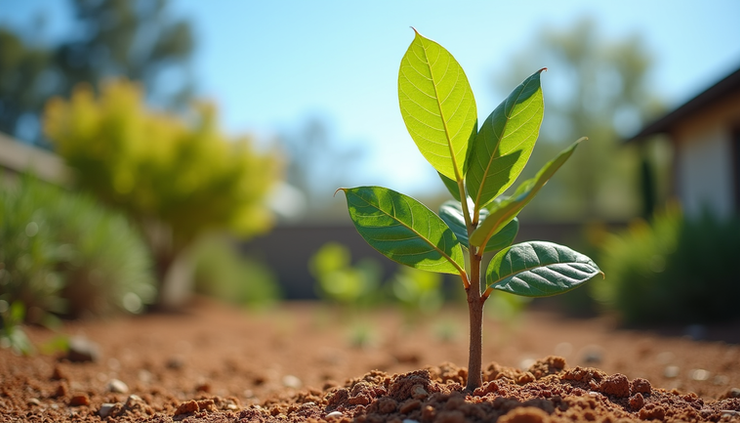
Choosing the Right Cherry Tree Variety
Not all cherry trees will do well in Perth’s climate. The key is to select varieties that can handle warm summers and mild winters.
Low Chill Varieties: Cherry trees need a certain number of chilling hours (cold temperatures) to produce fruit. Perth’s winters provide fewer chilling hours than cooler regions, so choose low chill varieties like Minnie Royal, Lapins, or Stella.
Self-fertile Trees: Some cherry trees require a pollinator tree nearby to bear fruit. Self-fertile varieties like Stella simplify planting because they don’t need another tree for pollination.
Dwarf or Semi-Dwarf Trees: These are easier to manage in home gardens and can be grown in pots or small spaces.
Selecting the right variety is the foundation for success. Nurseries in Perth often stock varieties suited to local conditions, so ask for advice when purchasing.
Preparing the Soil and Planting Site
Cherry trees prefer well-draining soil with good fertility. Perth’s sandy soils can be low in nutrients and drain too quickly, so preparation is important.
Soil Improvement: Mix organic matter such as compost or well-rotted manure into the planting area to improve moisture retention and nutrient content.
pH Level: Aim for a soil pH between 6.0 and 7.0. You can test your soil and adjust with lime if it’s too acidic.
Sunlight: Choose a planting site that receives full sun for at least 6 hours a day. Cherry trees need plenty of light to produce fruit.
Wind Protection: Perth can have strong winds, so plant your tree near a windbreak or use temporary barriers to protect young trees.
Dig a hole twice as wide and deep as the root ball, place the tree carefully, and backfill with enriched soil. Water thoroughly after planting.
Watering and Irrigation Tips
Water management is critical for cherry trees in Perth’s dry summers. Both under-watering and over-watering can harm the tree.
Establishment Phase: Water young trees deeply twice a week during the first year to encourage strong root growth.
Mature Trees: Once established, water deeply every 7 to 10 days during dry spells. Avoid frequent shallow watering.
Mulching: Apply a 5-10 cm layer of organic mulch around the base to conserve moisture and regulate soil temperature. Keep mulch a few centimeters away from the trunk to prevent rot.
Avoid Waterlogging: Ensure good drainage to prevent root diseases caused by standing water.
Using a drip irrigation system or soaker hoses can provide consistent moisture without wasting water.

Pruning and Tree Care
Proper pruning helps maintain tree health, improves air circulation, and encourages fruit production.
Timing: Prune cherry trees in late winter or early spring before new growth starts.
Remove Dead or Diseased Wood: Cut out any damaged or crossing branches to prevent disease spread.
Shape the Tree: Aim for an open, vase-like shape to allow sunlight to reach the center.
Thin Fruit: If your tree produces too many cherries, thin some out to improve size and quality.
Regularly check for pests such as aphids or birds, which can damage fruit. Use netting to protect ripening cherries from birds.
Managing Perth’s Climate Challenges
Perth’s hot summers and occasional dry spells require extra care.
Heat Stress: Provide shade cloth during extreme heat waves to protect young trees.
Frost Protection: While Perth rarely experiences severe frost, protect young trees with frost cloth if temperatures drop unexpectedly.
Pest Control: Monitor for common pests like fruit flies and use traps or organic sprays as needed.
By adapting your care routine to Perth’s climate, you can reduce stress on your cherry trees and improve fruit yield.
Harvesting and Enjoying Your Cherries
Cherries typically ripen in late spring to early summer in Perth. Harvest when the fruit is fully colored and firm but slightly soft to the touch.
Pick cherries with stems attached to prolong freshness.
Store cherries in the refrigerator and consume within a week for best flavor.
Use fresh cherries in desserts, jams, or enjoy them raw.
Growing your own cherries brings a sense of satisfaction and adds fresh, homegrown fruit to your table.


Comments