
Growing Citrus Trees in Perth Lemon Orange and Lime Care Tips for Healthy Home Harvests

A citrus tree earns its space in a Perth garden many times over. It gives shade, glossy evergreen foliage, fragrant spring flowers, and fruit that can go straight from branch to salad, seafood, cake, marmalade, cordial, or a Friday night gin and tonic.
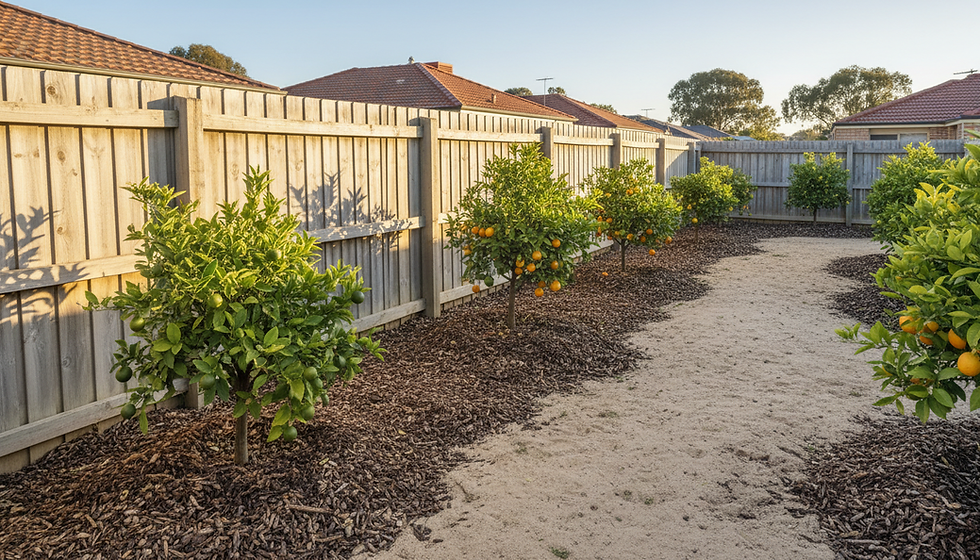
Perth’s warm Mediterranean climate suits citrus beautifully, but local conditions do ask for smart choices. Hot dry summers, sandy soils, drying easterlies, and winter wet spells can all affect growth. With the right variety, soil preparation, watering routine, and pest care, lemons, oranges, and limes can become some of the most productive plants in the home garden.

Why citrus trees suit Perth gardens so well
Perth gives citrus trees many of the things they love: plenty of sunshine, mild winters, and long growing seasons. A well-fed tree can flower heavily, set fruit well, and hold its leaves year-round.
The best reason to grow citrus at home is flavour. A lemon picked fresh from the tree has a bright, sharp aroma that supermarket fruit rarely matches. Homegrown oranges can stay on the tree until they are properly sweet. Limes can be picked young and fragrant for cooking, drinks, dressings, and marinades.
Citrus also looks good. The trees have a neat shape, shiny leaves, white flowers, and colourful fruit. They work well in:
Front garden beds where evergreen structure matters
Courtyards with large pots
Edible gardens near the kitchen
Poolside areas, if they have enough root space and regular water
Mixed borders with herbs, lavender, rosemary, and flowering natives nearby
For smaller spaces, dwarf citrus is often the easiest choice. Dwarf lemon, orange, and lime trees can produce generous crops while staying manageable in large pots or compact garden beds.
The key to growing citrus trees in Perth is to work with the climate rather than against it. That means protecting young trees from heat stress, improving sandy soil, and keeping moisture steady through summer.
Choose lemon, orange, and lime varieties that match your space
Perth gardeners have plenty of good citrus options. The right tree depends on how much space is available, how the fruit will be used, and whether the tree will grow in the ground or a pot.
Citrus type | Good choices for Perth gardens | Best use in the kitchen | Garden notes |
Lemon | Eureka, Lisbon, Meyer | Dressings, baking, fish, preserving, drinks | Productive and useful year-round in many gardens |
Orange | Washington navel, Valencia | Fresh eating, juicing, lunch boxes, desserts | Needs full sun for best sweetness |
Lime | Tahitian lime, West Indian lime, Kaffir lime | Curries, cocktails, salsas, marinades, leaves for cooking | More sensitive to cold and wind when young |
Lemons are the workhorses of the citrus garden
Lemons are often the easiest citrus to justify because they are used so often. Eureka is a common backyard choice and can crop over a long period once mature. Lisbon is vigorous and productive, with a classic sharp lemon flavour. Meyer is smaller, slightly sweeter, and well suited to pots or compact gardens.
Meyer lemon is not as sharp as Eureka or Lisbon, which makes it useful for desserts, dressings, and sliced lemon in drinks. It is also a good option where space is limited.
Oranges need sun and patience
Oranges reward gardeners who can give them full sun and steady care. Washington navel is popular for eating fresh. It is usually seedless, easy to peel, and well suited to home use. Valencia is a classic juicing orange and can hold well on the tree.
Oranges need warmth to develop sweetness, so do not tuck them into a shaded corner. A sunny northern or western aspect often works well, as long as the tree is not left to bake in dry soil through summer.
Limes bring fragrance and fast kitchen value
Limes love heat but dislike harsh stress when young. Tahitian lime is the most common home garden lime and is usually easier to manage than smaller, thornier lime types. West Indian lime has a strong flavour but can be more sensitive. Kaffir lime is grown mainly for its aromatic leaves, though the bumpy fruit and zest can also be used.
In Perth, plant young limes in a protected warm spot. A wall or fence can provide reflected heat and shelter from cold wind, which helps them settle in.

Give citrus the right planting position and soil from day one
Citrus trees are not difficult, but they do resent poor drainage, deep planting, and dry sandy soil with little organic matter. Good preparation at planting time can save years of weak growth.
Pick a warm, sunny, sheltered spot
Citrus needs at least half a day of direct sun, with full sun preferred for strong fruiting. In Perth, the best spot usually has:
Morning and midday sun
Protection from strong coastal winds or hot easterlies
Good air movement to reduce disease pressure
Enough room for the mature canopy
Easy access to water during summer
Avoid low pockets where cold air settles in winter. Avoid planting too close to paving that reflects extreme heat unless the tree can be watered reliably. Young citrus can scorch during heatwaves, especially if roots are dry.
Improve Perth’s sandy soil before planting
Many Perth gardens have sandy soil that drains fast and struggles to hold nutrients. Citrus can grow in sandy soil, but not if it is left hungry and dry.
Before planting, improve a wide area rather than just the hole. Mix through:
Mature compost
Well-rotted manure
Clay-based soil improver suited to sandy soils
A small amount of aged organic matter
Coarse mulch for the surface after planting
The goal is soil that drains well but still holds moisture. Citrus roots need oxygen, so avoid heavy, soggy soil. If drainage is poor, plant on a slight mound or raised bed.
A slightly acidic to neutral soil is generally suitable for citrus. If leaves turn yellow while the veins stay green, the tree may be struggling to access nutrients such as iron or magnesium. In Perth’s alkaline patches, citrus can show these deficiencies more easily. Use citrus-specific trace elements if needed and keep organic matter levels up.
Plant at the right depth
Plant citrus at the same depth it was growing in the nursery pot. The graft union, the swollen join near the base of many citrus trees, should sit above soil level.
After planting:
Water deeply to settle soil around the roots.
Create a broad watering basin around the tree.
Mulch the root zone, keeping mulch away from the trunk.
Stake only if the tree needs wind support.
Remove fruit from very young trees so energy goes into roots and branches.
That last step can feel painful, but it helps the tree establish. A strong young framework usually means better harvests later.
Care for citrus through Perth’s hot summers and mild winters
Healthy citrus comes from steady care, not fussing. The big tasks are watering, feeding, mulching, pruning, and watching for stress.
Water deeply and consistently
Perth summers are dry, so citrus needs reliable watering while fruit is developing. Shallow watering encourages shallow roots. Deep watering trains the tree to use a larger soil area.
Young trees need more frequent watering than established ones. In hot weather, check soil moisture below the mulch rather than guessing from the surface. If the top few centimetres are dry but the soil below is still cool and slightly damp, wait. If the root zone is dry, water deeply.
Potted citrus dries out faster than in-ground citrus. Large pots are best, with good drainage holes and premium potting mix. During heatwaves, pots may need daily checking.
Good watering habits reduce:
Leaf drop
Fruit split
Small dry fruit
Blossom drop
Heat stress
Poor nutrient uptake
Feed little and often during active growth
Citrus trees are hungry plants. Feed during the growing season with a quality citrus fertiliser, compost, and trace elements if the tree shows deficiency. Follow the product rate, because too much fertiliser can burn roots or push soft pest-prone growth.
A simple seasonal rhythm works well:
Late winter to early spring Feed as new growth starts.
Late spring Support flowering and fruit set.
Summer Feed lightly if the tree is growing strongly and well-watered.
Early autumn Give a final gentle feed before cooler growth slows.
Avoid heavy feeding in cold weather when the tree is not actively growing.
Mulch well but protect the trunk
Mulch is one of the best tools for Perth citrus. It cools the soil, reduces evaporation, supports soil life, and helps reduce weed competition.
Use chunky organic mulch, composted tree prunings, straw, or lupin mulch. Keep a clear gap around the trunk to prevent collar rot. Refresh mulch before summer heat arrives.
Prune for shape, light, and access
Citrus does not need hard annual pruning. Heavy pruning can reduce crops and expose branches to sunburn.
Prune to:
Remove dead or crossing branches
Lift low growth if needed for access
Reduce inward-growing shoots
Remove rootstock suckers from below the graft
Shape potted trees so they stay balanced
Do major pruning after harvest or in mild weather. Avoid cutting heavily just before extreme heat.

Manage pests and diseases with organic garden habits
Citrus pests are common in Perth, but a healthy tree can tolerate some insect activity. The aim is not a sterile tree. The aim is balance.
Check new growth often, especially during warm weather. Many problems are easier to fix early.
Citrus leaf miner
Citrus leaf miner causes silvery trails and twisted new leaves. It targets soft new growth, especially on young trees.
Organic options include:
Removing badly affected young leaves if damage is light
Avoiding heavy nitrogen feeding that triggers soft flushes
Using horticultural oil on new growth, following label directions
Encouraging beneficial insects by growing flowers nearby
Mature trees usually cope, but young trees can be set back if repeated flushes are damaged.
Aphids and scale
Aphids cluster on soft shoots and flower buds. Scale insects sit on stems and leaves, often with ants nearby. Both can produce sticky honeydew, which leads to sooty mould.
Organic control starts with ants. Ants protect sap-sucking pests, so controlling ant movement helps natural predators do their job.
Use:
A strong water spray for aphids
Horticultural oil or white oil for scale
Pruning of heavily infested twigs
Sticky barriers where ants are a problem
Ladybird-friendly planting, such as alyssum, dill, and coriander in flower
Spray oils in mild conditions, not during hot weather, and cover both sides of leaves.
Fruit fly
Fruit fly can affect citrus and other backyard fruit. Good hygiene matters.
Pick ripe fruit promptly. Collect fallen fruit and dispose of it properly rather than composting infested fruit. Use suitable traps as part of a broader control plan, and coordinate with neighbours where possible, because fruit fly does not respect fence lines.
Collar rot and root problems
Citrus can suffer when the trunk stays wet or roots sit in soggy soil. Collar rot may show as bark damage near the base, yellowing leaves, and general decline.
Prevent it by:
Planting at the correct depth
Keeping mulch away from the trunk
Improving drainage before planting
Avoiding constant wet soil
Watering the root zone, not the trunk
Good drainage is especially important in winter, when cooler weather slows evaporation.
Sooty mould
Sooty mould looks like black dust or film on leaves. It grows on honeydew from aphids, scale, or whiteflies. Treat the insect problem first. The mould will weather away over time, and leaves can be gently washed if needed.
Enjoy citrus for beauty, shade, scent, and flavour
Citrus trees blur the line between ornamental and edible gardening. A lemon beside a path releases scent when brushed. Orange blossom can perfume a whole corner of the garden. Lime leaves add shine and colour even before the fruit arrives.
In the kitchen, homegrown citrus makes everyday food brighter. Lemons lift roast vegetables, grilled fish, salad dressings, pasta, and cakes. Oranges bring fresh sweetness to lunch boxes, juices, winter salads, and desserts. Limes add sharp fragrance to curries, tacos, marinades, sliced fruit, sparkling water, and cocktails.
The advantage of a backyard tree is choice. Pick a lemon when the zest is fragrant. Leave oranges on the tree until they taste right. Harvest limes green and juicy, instead of waiting for fruit that has travelled and sat in storage.
Citrus also supports a more seasonal way of cooking. A glut of lemons can become preserved lemons, curd, cordial, marmalade, or frozen juice cubes. Extra oranges can be juiced, segmented, baked, or shared. Lime zest can be frozen in small portions for quick weeknight meals.

A productive citrus tree does ask for care, but the routine is simple once the tree is settled. Give it sun, improve the soil, water deeply, mulch well, feed during active growth, and keep an eye on pests before they take hold.
The reward is more than fruit. It is a garden that smells better in spring, looks greener through summer, and gives back in the kitchen all year. For Perth homes, few trees offer such a useful mix of beauty, resilience, and flavour.


Comments