
St Clements Citrus Australia s No 1 Citrus Garden Center

A good citrus tree is not just a plant you buy on a Saturday morning. It is a long-term part of the garden, a source of shade, scent, flowers, fruit, and small seasonal rituals that make a home feel lived in. Choose well, and a lemon, lime, orange, mandarin, grapefruit, or cumquat can reward you for years. Choose poorly, and the same tree can sit sulking in a pot, dropping leaves and fruit before it ever finds its rhythm.
That is why people care where their citrus trees come from. A specialist citrus garden centre has a different feel from a general plant outlet. The range is deeper, the advice is sharper, and the plants are usually matched to real growing conditions rather than passing trends.
For gardeners searching for st clements citrus, the appeal is simple: citrus is the main event, not an afterthought. Whether the goal is a productive backyard tree, a potted dwarf citrus for a courtyard, or a small orchard with reliable varieties, the right garden centre helps take the guesswork out of the process.

Why a specialist citrus garden centre matters
Citrus looks easy at first. The trees are familiar, the fruit is common, and many varieties seem to promise the same thing: fresh fruit at home. The truth is more specific. Citrus success depends on variety, rootstock, climate, soil, drainage, pruning habits, feeding, and timing.
A citrus specialist understands those details because each one changes how a tree behaves.
A strong garden centre should help answer questions such as:
Which lemon suits a small backyard?
Can a lime grow well in a pot?
Which mandarin is best for easy peeling?
How much sun does a young citrus tree need?
What should be done if leaves turn yellow?
When should citrus be fed in Australian conditions?
That individual advice matters because Australia is not one uniform growing zone. A citrus tree in coastal New South Wales may face different pressures from one in inland Victoria, suburban Brisbane, regional South Australia, or Perth’s sandy soils. Even within one suburb, a warm north-facing wall can create a different microclimate from an exposed backyard that catches cold winter wind.
A specialist garden centre does not need to overcomplicate the choice. In fact, the best advice often sounds plain and practical. Put citrus in full sun. Keep drainage sharp. Water deeply rather than constantly. Feed through the active growing season. Protect young trees from frost where needed. Watch the leaves, because they often show stress before the fruit does.
The value lies in matching those basics to the plant in front of you.
When people describe a nursery as the Australian no 1 citrus garden center, they are usually talking about more than size. They mean trust, plant quality, useful advice, and the confidence to buy a tree that has been grown and selected with care.
What to look for when choosing citrus trees
The best citrus tree is not always the tallest one in the row. A compact, balanced tree with a strong root system will often settle faster than a lanky plant forced into quick growth. Before buying any citrus, slow down and inspect the details.
A healthy citrus plant should have:
Glossy green leaves
Some seasonal variation is normal, but the tree should not look pale, brittle, or badly spotted.
A sturdy central shape
Look for a balanced framework rather than thin, stretched branches.
No obvious pest pressure
Check under leaves and along soft new shoots for scale, aphids, or other pests.
A sound graft union
Most citrus trees are grafted. The graft should look healed and secure.
A pot that matches the plant
A tree that is badly root-bound may struggle after planting.
Fruit on the tree can be appealing, but it should not be the only reason to buy. Young citrus often benefits from putting energy into roots and branches before carrying heavy crops. A plant covered in fruit may look impressive at the nursery, but the long-term structure matters more.

Match the variety to the space
Citrus comes in many forms, and space should guide the choice. A large backyard can handle a full-sized orange or grapefruit, but a courtyard or balcony needs a different approach. Dwarf citrus can grow well in large pots if they get enough sun, water, and food.
For smaller spaces, popular choices often include:
Dwarf lemons
Dwarf limes
Cumquats
Finger limes
Compact mandarins
For larger gardens, many people look at:
Navels and Valencia oranges
Traditional lemons
Grapefruit
Larger mandarin varieties
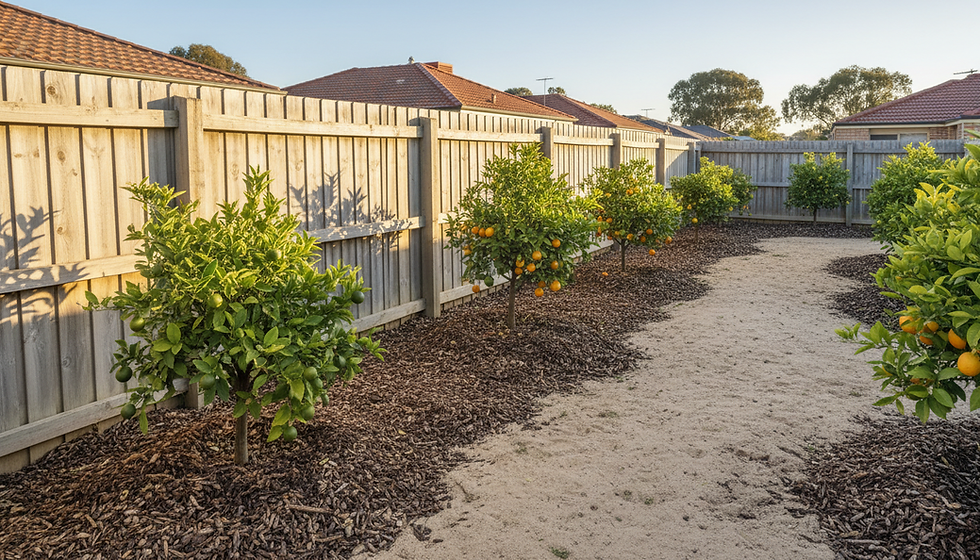
Mixed home orchard plantings
The key is not just mature height. Think about access, pruning, fruit drop, shade, and where the tree will sit in winter. Citrus loves sun, so a spot that looks bright in summer but falls into deep shade in winter may disappoint.
Think about how the fruit will be used
Choosing citrus by flavour and kitchen use makes the tree more rewarding.
A lemon suits households that cook often, preserve, bake, clean naturally, or enjoy drinks with fresh juice. A lime is useful for Asian cooking, seafood, marinades, and cocktails or mocktails. Mandarins are ideal for easy snacking. Oranges are better where there is room for a tree that can produce generously. Cumquats suit marmalade, glazing, and ornamental value.
Finger limes have become popular for their pearl-like pulp and native Australian character. They suit gardeners who want something distinctive, but they still need correct positioning and care. Good advice matters here because native citrus can behave differently from the familiar backyard lemon.
How citrus care changes across Australian gardens
Citrus trees are forgiving once established, but they are not plants to ignore completely. They respond quickly to good care and just as quickly show signs of neglect.
The main needs are consistent:
Full sun
Free-draining soil
Deep watering
Regular feeding
Protection from harsh stress when young
The challenge is adjusting those needs to local conditions.
In warm, humid areas, fungal issues and pests can be more noticeable. Airflow helps. So does avoiding constant leaf wetness and overcrowding. In dry inland areas, watering and mulch become more important. In cooler regions, frost pockets can damage young growth, so planting position matters. In sandy soils, nutrients can wash through quickly, which means feeding may need to be more regular.
Potted citrus has its own rules. Pots dry out faster than garden beds and rely fully on the gardener for nutrition. A large container, quality potting mix, good drainage holes, and a steady feeding routine make a clear difference.

Water deeply and avoid soggy roots
Citrus dislikes extremes. Dry stress can cause leaf curl, fruit drop, and poor growth. Waterlogged soil can damage roots and make the tree weak.
Good watering is deep and measured. The aim is to wet the root zone, then let the soil breathe before watering again. In pots, check moisture with a finger rather than watering by habit. In garden beds, mulch helps hold moisture, but keep mulch away from the trunk to reduce rot risk.
Feed during active growth
Citrus is a hungry group of plants. Yellowing leaves, small fruit, and weak growth can point to nutrient issues, though pests, cold, water stress, and poor drainage can look similar. A quality citrus fertiliser used at the right time is often the simplest option.
In most parts of Australia, gardeners feed citrus through the warmer growing months and ease off during cold periods when growth slows. Always follow the product directions, especially with young trees and potted plants. More fertiliser is not always better. Too much can burn roots or push soft growth at the wrong time.
Prune with purpose
Citrus does not usually need hard annual pruning. Light, purposeful pruning works best.
Remove:
Dead wood
Crossing branches
Growth below the graft
Crowded shoots that block airflow
Branches that make harvest difficult
Heavy pruning can reduce fruiting and expose bark to sunburn, especially in hot areas. If a tree needs reshaping, gradual work over time is safer than cutting it back hard in one go.
The role of advice in a better citrus harvest
A citrus garden centre should do more than sell trees. It should help people understand the plant they are taking home. That advice can prevent the most common mistakes, especially for beginners.
One gardener may need help choosing between lemon varieties. Another may need to know why a potted lime keeps dropping fruit. Someone planting a row of citrus may need guidance on spacing, pollination, irrigation, or staggered harvest times.
A good conversation before buying can save years of frustration.
Useful advice often covers:
Planting position
Soil improvement
Pot size
Rootstock suitability
Variety selection
Seasonal feeding
Pest identification
Harvest expectations
It also sets realistic expectations. A newly planted tree needs time to settle. Fruit size and yield may improve as the tree matures. A plant that looks quiet in winter may burst into growth in spring. Some fruit may drop naturally when a young tree is not ready to carry a full crop.
This is where specialist knowledge has real value. The best garden centres help people read their trees. Leaves, flowers, fruit set, bark, and soil condition all tell a story. Once a gardener learns those signs, citrus becomes much easier to grow.
Citrus brings year-round value to Australian gardens
Citrus is one of the few plant groups that can feel useful in every season. The evergreen foliage gives structure. The flowers bring fragrance. The fruit adds colour and practical value. Even a single potted lemon near a kitchen door can change how often fresh ingredients find their way into meals.
There is also a strong emotional pull. Many Australians grew up with a lemon tree in the backyard, a mandarin eaten outside in winter, or oranges shared by family and neighbours. Citrus carries memory as well as flavour.
That may explain why people keep returning to trusted citrus specialists. A tree is a living purchase. It needs a good beginning, and that beginning starts with quality stock and clear advice.

Choosing the right citrus garden centre is really about choosing a better pathway to success. Look for healthy plants, practical advice, a strong range, and guidance that suits Australian growing conditions. A good citrus tree can stay with a garden for decades, so it is worth starting with care.
For anyone planning a backyard orchard, refreshing a courtyard, or finally planting the lemon tree they have always wanted, the takeaway is simple: buy citrus from people who truly understand citrus. The right tree, in the right place, with the right care, can become one of the most rewarding plants in the garden.


Comments