
St Clements Citrus Guide 60 Plus Varieties Care Flavors and Garden Growing Tips
- stuart taylor

- 2 hours ago
- 7 min read
A citrus garden changes the way a backyard feels. One tree gives perfume, shade, glossy leaves, and fruit. A mixed planting gives you marmalade lemons in winter, mandarins for lunchboxes, limes for summer drinks, and finger limes that look like garden jewellery.
My own St. Clements Citrus patch started with a lemon, a mandarin, and one optimistic lime in a large pot. The first real harvest was small, just enough for a jar of marmalade and a bowl of fruit on the kitchen bench, but the scent of blossom made the whole garden feel generous. Since then, the collection has become a living tasting board of sweet, sharp, floral, bitter, and aromatic fruit.
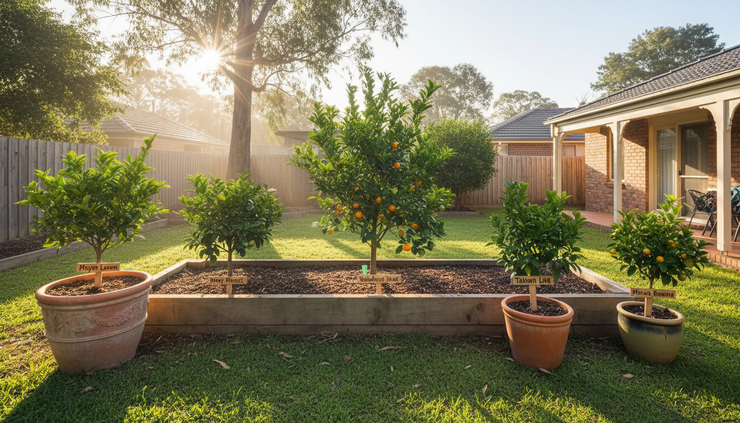
The St Clements citrus garden is about variety
Think of this style of garden as an orchard in miniature. It does not need to be huge. A sunny fence line, a few half wine barrels, and a well-drained bed can hold an impressive range if you choose compact trees and prune with purpose.
The joy comes from contrast. Lemons bring acid and zest. Mandarins bring easy sweetness. Oranges bring juice. Limes bring fragrance. Kumquats and calamondins bring peel, punch, and colour. A few unusual types, such as yuzu, bergamot, or Buddha’s hand, turn cooking into play.
60 plus citrus varieties worth growing
Use this list as a tasting guide. Some suit warm, frost-free gardens. Others handle cooler spots. Availability changes by nursery and region, so choose grafted plants suited to your local conditions.
Variety | Character, flavour, and best use |
Meyer lemon | Thin-skinned, juicy, gently acidic, excellent for cakes, curd, and preserving. |
Eureka lemon | Classic supermarket-style lemon, sharp and reliable, useful almost year round. |
Lisbon lemon | Strong flavour, hardy growth, great for juice and zest. |
Yen Ben lemon | Smooth fruit, high juice, prized for clean lemon flavour. |
Verna lemon | Large Spanish type, mild acid, good for slicing and drinks. |
Ponderosa lemon | Huge fruit, thick rind, dramatic in pots and marmalade. |
Femminello lemon | Italian-style lemon, aromatic zest, lovely for seafood and pasta. |
Villafranca lemon | Sharp, juicy fruit, a dependable kitchen lemon. |
Rough lemon | Seedy and tangy, often valued more as rootstock than dessert fruit. |
Lemonade fruit | Low acid, sweet lemon flavour, eaten fresh like an orange. |
Washington navel orange | Seedless, sweet, easy to peel, a top fresh-eating orange. |
Lane Late navel | Later ripening navel, extends the orange season beautifully. |
Valencia orange | Juicy, balanced, ideal for fresh orange juice. |
Cara Cara orange | Pink flesh, sweet berry-like notes, excellent sliced fresh. |
Blood orange Moro | Deep colour, bold flavour, good for juice and salads. |
Blood orange Tarocco | Sweet, fragrant, less bitter than some blood oranges. |
Blood orange Sanguinello | Rich colour, complex flavour, good for desserts and drinks. |
Seville orange | Bitter and aromatic, the classic marmalade orange. |
Bergamot orange | Floral rind, famous for perfumed zest and tea flavouring. |
Chinotto orange | Small, bitter fruit, used in syrups and bittersweet drinks. |
Bouquet de Fleurs sour orange | Fragrant flowers, bitter fruit, beautiful near paths. |
Clementine mandarin | Sweet, neat, usually easy peeling, brilliant for snacking. |
Satsuma mandarin | Early, seedless type, soft segments, reliable in cooler areas. |
Imperial mandarin | Australian favourite, aromatic, easy to peel, bright and sweet. |
Emperor mandarin | Rich flavour, slightly firmer peel, good backyard tree. |
Honey Murcott mandarin | Deep orange, sweet, juicy, sometimes seedy but delicious. |
Afourer mandarin | Rich and sweet, late season, excellent lunchbox fruit. |
Dancy mandarin | Old-fashioned flavour, spicy-sweet, often very aromatic. |
Pixie mandarin | Small, sweet, late fruiting, good for mixed orchards. |
Kishu mandarin | Tiny, seedless, very sweet, perfect for children’s snacks. |
Ponkan mandarin | Large, loose-skinned, tropical sweetness and low acidity. |
Shiranui mandarin | Bumpy fruit, very sweet, rich flavour, best eaten fresh. |
Minneola tangelo | Bell-shaped, juicy, tangy-sweet, excellent breakfast fruit. |
Orlando tangelo | Mild, sweet-tart hybrid, useful for juice and fresh eating. |
Jamaican tangelo | Often sold as ugli fruit, loose rind, juicy, tangy flesh. |
Tahitian lime | Seedless, juicy, reliable, the main lime for drinks and cooking. |
Mexican lime | Small, highly aromatic, also known as Key lime. |
Makrut lime | Grown for fragrant leaves and knobbly rind, essential in curries. |
Finger lime | Native Australian citrus with citrus pearls, superb on seafood. |
Rangpur lime | Orange-skinned, mandarin-like, sharp and fragrant. |
Desert lime | Tiny native fruit, intense flavour, good for sauces and preserves. |
Australian round lime | Native, small and aromatic, useful in bushfood-style cooking. |
Palestine sweet lime | Mild, low acid, sweet juice, gentle fresh eating fruit. |
Eustis limequat | Lime-kumquat hybrid, tart fruit, compact and pot-friendly. |
Lakeland limequat | Productive, tangy, good for drinks and marmalade. |
Calamondin | Small sour orange fruit, ornamental, excellent for marmalade and marinades. |
Nagami kumquat | Oval fruit eaten whole, sweet peel and tart flesh. |
Marumi kumquat | Round fruit, spicy-sweet peel, attractive compact tree. |
Meiwa kumquat | Sweeter kumquat, pleasant fresh from the tree. |
Fukushu kumquat | Larger fruit, sweet rind, handsome container plant. |
Marsh grapefruit | Pale flesh, mild bitterness, good for breakfast. |
Ruby Red grapefruit | Pink flesh, sweeter than white types, excellent juiced. |
Star Ruby grapefruit | Deep red flesh, strong colour, sweet-tart flavour. |
Oroblanco grapefruit hybrid | Low acid, sweet, thick rind, refreshing chilled. |
Cocktail grapefruit hybrid | Juicy, sweet-tart, complex flavour, best fresh. |
Chandler pomelo | Huge fruit, pink flesh, mild sweetness, impressive on the table. |
Tahitian pomelo | Large, gentle flavour, good for salads and sharing. |
Yuzu | Sour, floral, aromatic rind, brilliant in dressings and desserts. |
Sudachi | Small green Japanese citrus, sharp juice for fish and noodles. |
Kabosu | Fragrant, sour, rounded flavour, excellent in sauces. |
Citron | Thick peel, little juice, used for candied rind. |
Buddha’s hand citron | Fingered fruit, all perfume and zest, stunning ornamental. |
Etrog citron | Thick-rinded, fragrant, grown for culinary and ceremonial uses. |
Trifoliate orange | Bitter, hardy, often grown as rootstock or a hedge. |
Flying Dragon | Twisted dwarfing rootstock, ornamental and useful for small trees. |
Citrumelo | Grapefruit and trifoliate hybrid, hardy, tart, often used as rootstock. |
Citrange | Orange and trifoliate hybrid, cold-tolerant, tart fruit, useful rootstock. |

How the flavours work in the kitchen
A mixed citrus garden is easiest to use when you think in flavour groups.
Sweet and fresh types, such as navels, Cara Cara, clementines, and Imperial mandarins, are best eaten straight from the tree. Chill them first on hot days, then slice them into salads with mint or fennel.
Sharp and practical fruit, including Eureka, Lisbon, Tahitian lime, yuzu, and sudachi, earns its space every week. These are the fruits for dressings, marinades, curd, sauces, and squeezing over grilled fish.
Bitter and aromatic choices, such as Seville orange, bergamot, chinotto, and citron, are the marmalade and peel champions. They may not win as fresh snacks, but they give preserves real depth.
Ornamental but useful plants, such as Buddha’s hand, calamondin, kumquat, and Flying Dragon, make a citrus collection feel special. They suit pots near a sunny entrance, where their blossoms and fruit can be enjoyed up close.
One of my favourite garden habits is brushing past the makrut lime after watering. The leaves release that unmistakable curry-leaf citrus perfume. It is the kind of small reward that makes watering feel less like a chore.
Care and maintenance for healthy trees
Most citrus trees want the same basic conditions: sun, drainage, steady moisture, and regular feeding. Get those right and the trees are forgiving.
Give them sun and shelter
Aim for at least six hours of direct sun. More is better, especially for sweet oranges and mandarins. In windy gardens, plant near a fence or use a light windbreak. Hot, dry wind can scar young fruit and dry new growth.
Plant into drainage, not mud
Citrus hates sitting in wet soil. In heavy clay, use a raised mound, raised bed, or large pot. In pots, choose a premium potting mix and a container with generous drainage holes.
Plant grafted trees with the graft union above soil level. Keep mulch away from the trunk to avoid collar rot.
Water deeply, then let the top soil breathe
Young trees need steady moisture while roots establish. Mature trees cope better, but dry spells can cause fruit drop, split fruit, and curled leaves. Deep watering encourages deeper roots.
In pots, check moisture with a finger rather than guessing. Terracotta dries faster than plastic, and citrus in full summer sun can drink quickly.

Feed little and often in the growing season
Citrus are hungry plants. Use a citrus fertiliser or a balanced organic blend through the active growing months, following the label. Yellow leaves can point to nitrogen, iron, or magnesium shortage, but poor drainage can look similar, so check the soil before adding more feed.
A seasonal routine works well:
Feed as new spring growth begins.
Water before and after applying fertiliser.
Add compost around the drip line, not against the trunk.
Top up mulch to keep roots cool.
Reduce feeding in cold weather when growth slows.
Prune for light, shape, and access
You do not need to prune citrus hard. Remove dead wood, crossing branches, and shoots below the graft. Keep the centre open enough for light and airflow. For pots, trim lightly after harvest to hold the shape.
When my first Meyer lemon became too dense, I removed three inward-growing branches rather than shearing the whole plant. The next season, the fruit coloured better and picking was much easier.
Watch pests before they build up
Common citrus problems include scale, aphids, citrus leafminer, stink bugs, and sooty mould. Healthy trees handle small outbreaks, but early action helps.
Use a gentle approach first:
Hose off aphids on soft new shoots.
Encourage ladybirds, hoverflies, and lacewings.
Remove badly damaged leaves.
Use horticultural oil when needed, following the label.
Avoid spraying during extreme heat or when bees are active.
Tips for a successful St Clements style planting
Choose varieties that ripen across the year. A good starter mix might include a lemon, a navel orange, a mandarin, a lime, a kumquat, and one unusual fruit such as yuzu or finger lime.
For small spaces, pots are your friend. Dwarf grafted trees in large containers can be productive and beautiful. Match the pot size to the tree, then refresh the mix over time as it settles.
Label everything. Citrus can look surprisingly similar when young. A weatherproof tag saves confusion later, especially once the collection grows beyond a few trees.
Harvest by taste, not colour alone. Some fruit colours early but needs more time to sweeten. Pick one, taste it, then decide whether the rest should stay on the tree.
Most of all, grow what you will actually use. A perfect grapefruit is wasted if nobody eats grapefruit. A single productive lime, by contrast, can become part of dinner three nights a week.

A St Clements-style citrus garden is part orchard, part pantry, and part sensory pleasure. Start with the fruit you love most, then add contrast. With sun, drainage, food, water, and a little watchfulness, a backyard collection can carry flavour through much of the year and make even a quick walk outside feel like harvest time.


Comments