
St Clements Citrus Perths Number One Fruit Trees Nursery for Quality Citrus and Expert Advice

A good citrus tree can change the way a Perth garden feels. It brings gloss-green leaves, fragrant spring blossom, shade in the right spot, and the kind of fruit that gets used every week, from lemons over fish to mandarins straight from the tree.
That is why choosing the right nursery matters. A fruit tree is not a short-term purchase. It is a living investment that should suit the soil, sun, wind, water and lifestyle of the garden it goes into. For Perth home gardeners who want healthy citrus trees and practical guidance, St Clements Citrus has earned its reputation as the number one fruit trees nursery in Perth for quality stock, variety and expert advice.
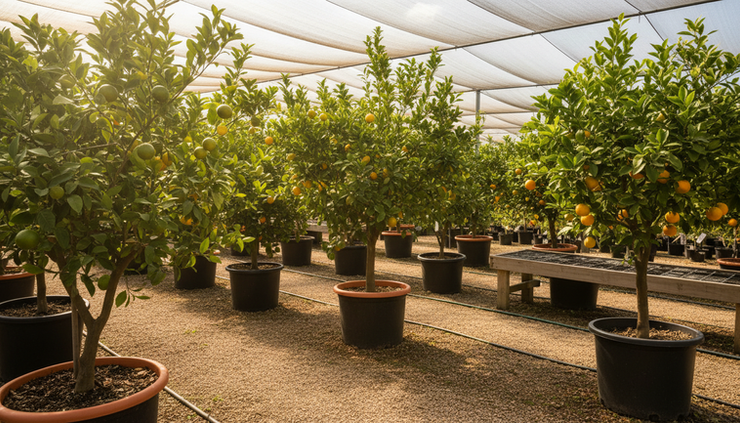
Why citrus is such a smart choice for Perth gardens
Perth has a strong gardening culture, and citrus fits beautifully into many local backyards. The climate gives home gardeners enough warmth for a wide range of citrus varieties, while cooler months help many trees settle before peak summer stress arrives.
Citrus trees also suit different garden styles. A lemon tree can anchor a productive backyard. A mandarin can become a family favourite. A lime in a courtyard pot can turn a small space into something useful and fragrant. Even compact citrus can make a balcony or patio feel more alive when it gets enough sun.
The appeal is simple:
Fresh fruit at home Citrus is one of the most useful crops in the kitchen. Lemons, limes, oranges and mandarins rarely go to waste.
Attractive year-round foliage Citrus trees keep their leaves and provide structure when many other fruiting plants look bare.
Fragrant blossom Citrus flowers bring a sweet scent to the garden and often attract pollinators.
Flexible growing options Many citrus types can grow in the ground or in large pots, depending on the variety and care.
Long-term value A well-chosen tree can produce for many years with proper feeding, watering and pruning.
Perth gardeners still need to choose carefully. Coastal winds, sandy soils, reflected heat from paving, poor drainage and summer watering limits can all affect how a tree performs. That is where a specialist nursery becomes valuable. Good advice at the start can prevent years of slow growth, leaf yellowing or poor fruiting.
What makes St Clements Citrus stand out
A general garden centre may carry a few citrus trees. A specialist fruit tree nursery offers something more useful: depth of knowledge, better selection and advice that matches real growing conditions.
The strength of St Clements Citrus lies in its focus on citrus and fruit trees. Instead of treating fruit trees as one small part of a mixed plant range, the nursery places them at the centre. That means gardeners can compare varieties, ask practical questions and choose trees with greater confidence.
A strong citrus nursery supports home gardeners in three ways.
A broad range for different tastes and spaces
Citrus is not just “lemon, orange, mandarin”. Each type has its own uses, habits and strengths. A well-stocked nursery can help gardeners look beyond the familiar and choose a tree that suits how the fruit will actually be used.
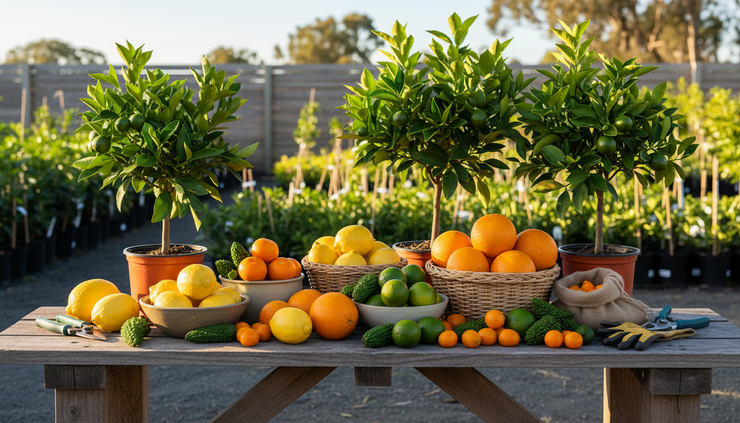
Common citrus options may include:
Citrus type | Why gardeners choose it | Good fit for |
Lemon trees | Reliable kitchen fruit, fragrant flowers and classic backyard appeal | Family gardens, kitchen gardens and sunny courtyards |
Lime trees | Fresh flavour for drinks, dressings and cooking | Warm, protected spots and large pots |
Mandarin trees | Sweet, easy-to-peel fruit that suits families | Backyards with room for a productive feature tree |
Orange trees | Juicy fruit and strong ornamental value | Larger gardens with full sun |
Grapefruit trees | Larger fruit and a bold garden presence | Spacious plantings and gardeners who enjoy tart citrus |
Cumquat trees | Compact growth and decorative fruit | Pots, patios and smaller gardens |
Finger lime trees | Native citrus with distinctive fruit pearls | Gardeners looking for something unusual and local in character |
Availability can change with season and growing cycles, but the value of a specialist nursery is the ability to explain what is suitable, what is ready to plant, and what might be worth waiting for.
Quality trees that start life well
A fruit tree’s future often depends on the condition it is in before it leaves the nursery. Healthy roots, balanced top growth, pest-free foliage and a strong graft union all matter.
When choosing citrus, gardeners should look for:
Bright, even leaf colour
A sturdy central framework
No signs of scale, leaf miner damage or severe leaf curl
A pot that is not badly root-bound
Fresh new growth at the right time of year
A clear label showing variety and rootstock where available
A quality nursery pays attention to these details. It also helps gardeners avoid buying a tree that looks large on the day but may struggle after planting. Bigger is not always better. A slightly smaller tree with a healthy root system can establish faster than a stressed tree that has sat too long in a pot.
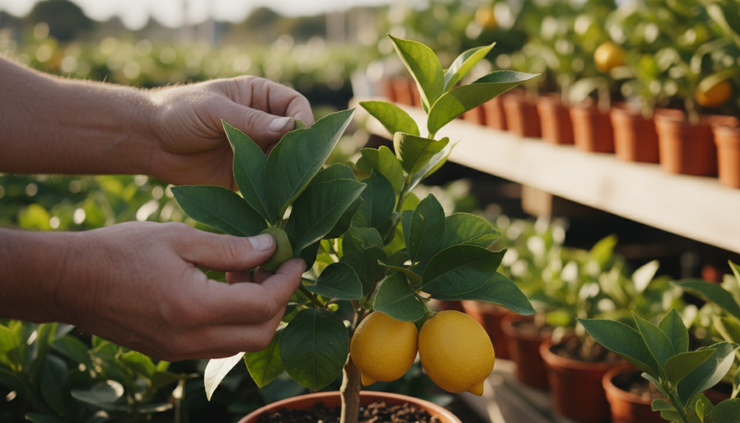
Advice that continues after the sale
Good customer service in a fruit tree nursery is not about pushing a sale. It is about matching the right tree to the right place and helping the gardener understand what comes next.
For home gardeners, the most useful questions often sound simple:
Will this tree cope with my sandy soil?
Can I grow it in a pot?
How much sun does it really need?
When should I feed it?
Why are the leaves turning yellow?
How much fruit should I expect in the first few years?
What should I plant if I only have space for one tree?
This is where expert nursery advice becomes a major advantage. Staff who understand citrus can explain watering, feeding, pruning and pest checks in plain language. That support can make the difference between a tree that survives and a tree that thrives.
How to choose the right fruit tree for Perth conditions
Perth gardens can vary more than they first appear. A coastal courtyard in Fremantle, a sandy block north of the river, a hot paved backyard in the eastern suburbs and a sheltered hills garden can all need slightly different plant choices.
Before choosing a fruit tree, take a few minutes to assess the site.
Check the sunlight
Most citrus trees need full sun to fruit well. Aim for at least six hours of direct sun each day. Morning sun is helpful, and protection from harsh late-afternoon heat can be useful for young trees, especially in their first summer.
Avoid planting citrus where it will sit in permanent shade. A tree may survive there, but it is likely to grow slowly, flower poorly and carry less fruit.
Look at the soil
Many Perth gardens have sandy soil. Citrus can grow well in sandy ground, but it needs organic matter, steady moisture and regular feeding. Before planting, improve the soil with compost and a suitable soil improver. The goal is to help the soil hold water and nutrients without becoming soggy.
Drainage matters too. Citrus dislikes wet feet. If water sits in the planting hole after rain or irrigation, consider raising the planting area or growing in a large pot with premium potting mix.
Match the tree to the space
A common mistake is buying a tree without thinking about its mature size. Citrus can be pruned, but constant hard pruning can reduce fruiting and stress the tree.
For smaller spaces, look for compact options or citrus suited to pots. Cumquats, some limes and dwarf citrus trees can work well when planted in a large container. For larger backyards, oranges, lemons, mandarins or grapefruit can become productive feature trees.
Think about how the fruit will be used
The best tree is the one that will be enjoyed. A lemon tree may be the most practical choice for a household that cooks often. A mandarin may be better for children’s lunchboxes. A lime suits people who love fresh drinks, Asian cooking or seafood. Finger limes suit gardeners who enjoy distinctive native produce and are happy to learn its preferences.
A nursery with strong citrus knowledge can help compare flavour, season, size and care needs before a tree goes home.
How to care for citrus after planting
Once the right tree is chosen, good care in the first year sets the foundation. Citrus is not difficult, but it does respond to regular attention.
Plant at the right depth
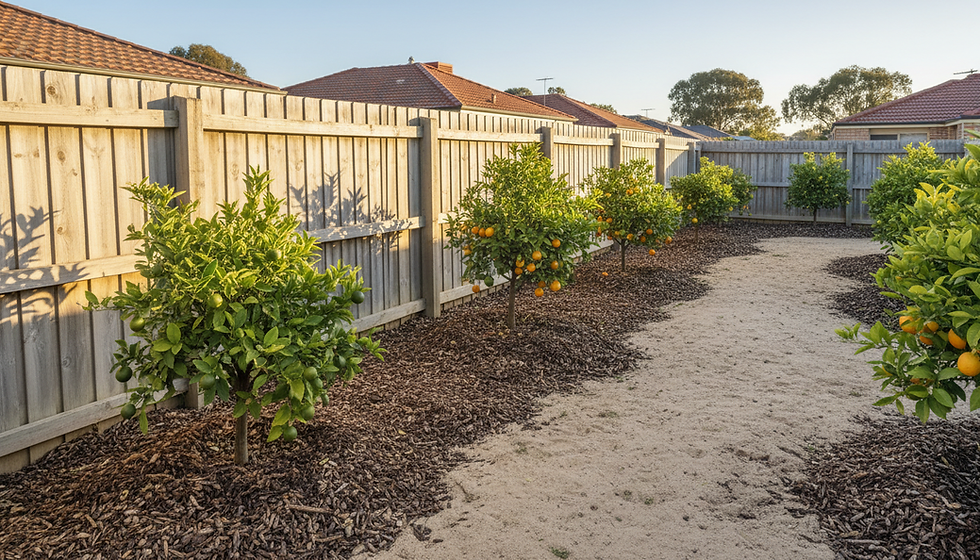
Plant citrus at the same depth it was growing in the pot. Do not bury the trunk or graft union. Backfill gently, water in well and keep mulch away from the trunk. A mulch ring helps keep roots cool and reduces water loss, but mulch against the stem can invite rot.
Water deeply and consistently
New citrus trees need steady moisture while roots establish. In Perth’s warmer months, shallow watering is rarely enough. Deep watering encourages roots to move down into the soil.
For potted citrus, check moisture more often. Pots dry out faster than garden beds, especially in summer winds or on paving. The pot should drain freely, but the mix should not stay bone dry for long periods.
Feed during active growth
Citrus trees are hungry plants. Use a quality citrus fertiliser during the growing season, following the label directions. Too much fertiliser can burn roots, while too little can lead to pale leaves and weak growth.
Yellow leaves can point to several issues, including lack of nitrogen, trace element shortage, poor drainage or irregular watering. The pattern of yellowing matters, so ask for advice before adding random products.
Prune with care
Citrus usually needs less pruning than stone fruit. Remove dead, damaged or crossing branches. Shape young trees gently so they develop good airflow and a strong framework.
Heavy pruning can trigger a flush of soft growth that pests enjoy, so keep cuts purposeful. If a tree is producing well and has good shape, light maintenance may be all it needs.
Watch for common citrus pests
Perth gardeners may see pests such as citrus leaf miner, scale, aphids or gall wasp. Early checks make control easier. Inspect new growth, the underside of leaves and stems. Sticky residue, distorted leaves or small bumps on stems can signal a problem.
A good nursery can help identify the issue and suggest a suitable control method. Always use garden products according to the label and avoid spraying in conditions that may harm beneficial insects.

Why expert advice makes the difference
Citrus trees often show stress before the cause is obvious. Leaves yellow. Fruit drops. New growth curls. A potted tree flowers but does not hold fruit. A gardener may add more water, then more fertiliser, then prune heavily, only to make the issue worse.
Expert advice helps narrow the cause. The answer may be simple, such as inconsistent watering, poor drainage, not enough sun, a nutrient gap or a pot that is too small. It may also be a seasonal issue that does not need panic.
That is why a nursery visit can be so valuable. Gardeners can explain their site, bring photos of the planting area, describe soil conditions and ask direct questions. The right advice saves time, money and frustration.
For Perth citrus growers, the strongest nursery experience includes:
Clear information about variety and growth habit
Honest guidance about whether a tree suits the site
Practical planting and aftercare tips
Help with pests, feeding and seasonal care
Healthy trees that are ready for home gardens
Staff who take home gardeners seriously, whether they are beginners or long-time growers
This combination is what turns a nursery from a place that sells plants into a trusted gardening partner.

The takeaway for Perth fruit tree lovers
A successful citrus tree starts before the planting hole is dug. It starts with choosing the right variety, buying a healthy tree and getting advice that suits local conditions.
St Clements Citrus stands out because it brings those pieces together. Its focus on citrus, range of fruiting options, commitment to quality and practical support for home gardeners make it a trusted choice for anyone wanting to grow better fruit at home.
For a first lemon tree, a productive mandarin, a compact lime in a pot or a more unusual citrus variety, the best result comes from matching the tree to the garden and caring for it well from day one. With the right nursery behind the choice, Perth gardeners can look forward to glossy leaves, fragrant flowers and baskets of homegrown citrus for years to come.


Comments