
The Beauty and Benefits of Weeping Mulberry Trees in Your Garden
- stuart taylor

- Apr 11
- 3 min read
A weeping mulberry tree can transform your garden into a peaceful retreat with its graceful, cascading branches and lush foliage. This unique tree combines striking beauty with practical benefits, making it a favorite choice for gardeners who want both style and function. If you are looking for a tree that adds character and charm while supporting local wildlife and providing shade, the weeping mulberry is worth considering.
What Makes the Weeping Mulberry Tree Special
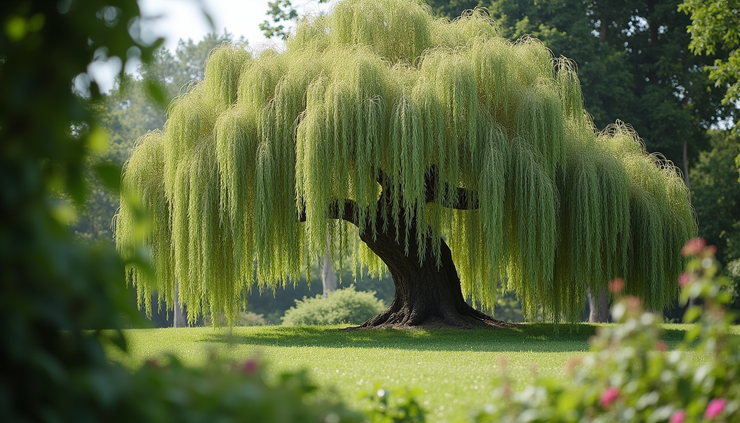
The weeping mulberry tree stands out because of its distinctive shape. Unlike typical upright trees, its branches grow downward, creating a curtain-like effect. This natural form adds a soft, flowing element to any landscape. The leaves are bright green in spring and summer, turning yellow in the fall, offering seasonal interest.
Besides its elegant appearance, the weeping mulberry produces small, sweet berries that attract birds and other wildlife. These berries are edible for humans too, often used in jams and desserts. The tree’s moderate size makes it suitable for many garden spaces, from small yards to larger parks.
How to Plant and Care for a Weeping Mulberry Tree
Planting a weeping mulberry tree requires some planning to ensure it thrives. Here are key tips for successful growth:
Choose the right location
The tree prefers full sun but can tolerate partial shade. Pick a spot with well-draining soil and enough space for the branches to spread without obstruction.
Soil preparation
Mulberries adapt to various soil types but grow best in fertile, slightly acidic to neutral soil. Adding compost before planting improves soil quality.
Watering needs
Young trees need regular watering to establish roots. Once mature, they tolerate some drought but perform best with consistent moisture.
Pruning for shape and health
Prune in late winter to remove dead or crossing branches. This helps maintain the tree’s elegant weeping form and encourages healthy growth.
Pest and disease management
Mulberries are generally hardy but watch for common pests like aphids or scale insects. Treat infestations early with insecticidal soap or natural predators.
Benefits of Adding a Weeping Mulberry Tree to Your Garden
The weeping mulberry offers several advantages beyond its beauty:
Shade and cooling
Its dense canopy provides shade, reducing heat in your garden during summer. This can lower energy costs if planted near your home.
Wildlife habitat
Birds love the berries, and the tree offers shelter for small animals. This supports biodiversity and creates a lively garden environment.
Erosion control
The tree’s root system helps stabilize soil on slopes or areas prone to erosion.
Low maintenance
Once established, the weeping mulberry requires minimal care, making it ideal for gardeners who want a beautiful but easy-to-manage tree.
Edible fruit
The berries can be harvested for fresh eating or cooking, adding a practical use to the tree’s ornamental value.
Design Ideas for Using Weeping Mulberry Trees in Your Garden
Incorporating a weeping mulberry tree into your garden design can create stunning focal points or peaceful corners. Consider these ideas:
Centerpiece tree
Plant the tree in the middle of a lawn or garden bed to draw attention with its unique shape.
Shade near seating areas
Position the tree close to benches or patios to enjoy its cooling shade and natural beauty.
Mixed borders
Combine with flowering shrubs and perennials for layered texture and color throughout the seasons.
Water feature companion
Place near ponds or streams where the drooping branches can reflect in the water, enhancing the tranquil atmosphere.

Final Thoughts on Growing a Weeping Mulberry Tree
Choosing a weeping mulberry tree adds more than just beauty to your garden. Its graceful form, wildlife benefits, and practical uses make it a valuable addition for gardeners who want a tree that stands out and supports the environment. With proper care, this tree will grow into a stunning feature that brings joy for many years.
If you want a tree that offers shade, attracts birds, and produces edible fruit, the weeping mulberry is a smart choice. Start by selecting a healthy sapling and planting it in a sunny spot with good soil. Regular watering and occasional pruning will keep it looking its best.


Comments