
The Best Pear Trees for Perth's Unique Climate and Soil Conditions

Growing pear trees in Perth presents a unique challenge. The region’s Mediterranean climate, characterized by hot, dry summers and mild, wet winters, combined with its sandy and sometimes alkaline soils, means not every pear variety will thrive. Choosing the right pear tree can make the difference between a bountiful harvest and a struggling plant. This guide explores the best pear trees suited for Perth’s conditions and offers practical tips to help you grow healthy, productive trees.

Understanding Perth’s Climate and Soil
Perth’s climate is classified as Mediterranean, which means:
Hot, dry summers with temperatures often exceeding 30°C (86°F)
Mild, wet winters with most rainfall occurring between May and September
Low humidity during summer months
The soil in many parts of Perth is sandy, well-draining, and can be slightly alkaline. This soil type drains quickly but often lacks organic matter and nutrients essential for fruit trees.
Pear trees generally prefer cooler climates and moist, fertile soil. However, some varieties are more adaptable and can tolerate Perth’s conditions better than others.
Choosing Pear Trees That Suit Perth
When selecting pear trees for Perth, look for varieties that:
Are heat-tolerant and can handle dry summer conditions
Can grow well in well-draining, sandy soils
Have some resistance to common pests and diseases in the region
Are self-pollinating or have compatible pollinators nearby
Recommended Pear Varieties for Perth
Beurre Bosc
This variety is known for its heat tolerance and produces sweet, crisp fruit with a distinctive russet skin. Beurre Bosc trees adapt well to sandy soils and can handle Perth’s dry summers if watered properly.
Packham’s Triumph
One of Australia’s most popular pear varieties, Packham’s Triumph thrives in warmer climates. It produces large, juicy pears with greenish-yellow skin. It requires moderate watering and benefits from mulching to retain soil moisture.
Williams’ Bon Chrétien (Bartlett)
This classic pear variety grows well in Perth’s climate with adequate irrigation. It produces sweet, aromatic fruit and is a reliable choice for home gardeners.
Forelle
Forelle pears are smaller but flavorful, with a red-spotted skin. They tolerate warmer climates and can be a good option for smaller gardens or container growing.
Pollination Tips
Most pear trees require cross-pollination to set fruit. Planting two compatible varieties nearby improves fruit yield. For example, Beurre Bosc and Packham’s Triumph can pollinate each other effectively.
If space is limited, choose self-pollinating varieties or those that can pollinate themselves, but keep in mind that fruit production might be lower.
Preparing Your Garden for Pear Trees
Soil Preparation
Test your soil pH: Pear trees prefer a pH between 6.0 and 7.5. If your soil is too alkaline, add organic matter like compost or well-rotted manure to improve fertility and structure.
Improve drainage: Sandy soils drain well but may dry out quickly. Incorporate organic matter to help retain moisture.
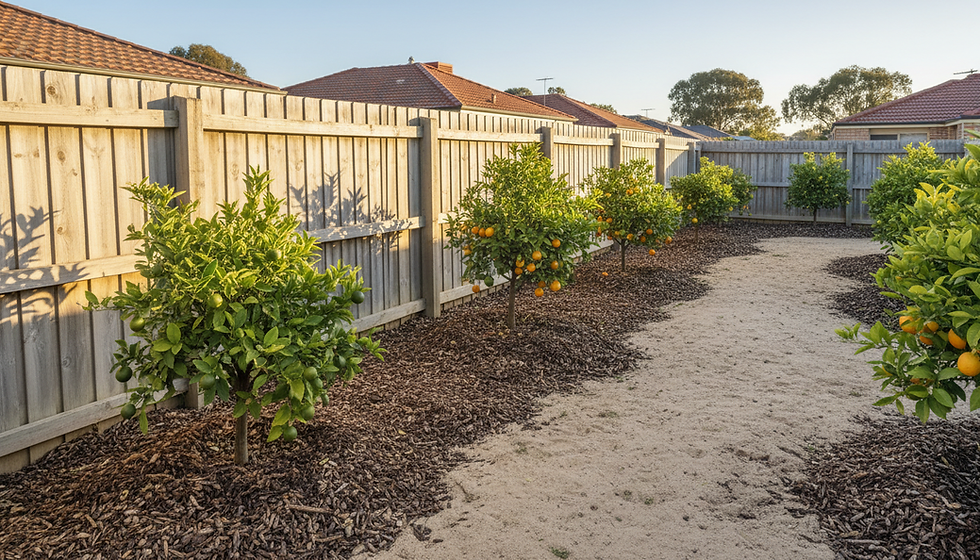
Mulch around the base: Use organic mulch to keep roots cool and moist during hot summers.
Planting Location
Choose a sunny spot with at least 6 hours of direct sunlight daily.
Ensure good air circulation to reduce disease risk.
Avoid low-lying areas where water may pool after rain.
Caring for Pear Trees in Perth
Watering
Water young trees deeply once or twice a week during dry periods.
Mature trees need less frequent watering but should not be allowed to dry out completely.
Use drip irrigation or soaker hoses to deliver water directly to roots and reduce evaporation.
Fertilizing
Apply a balanced fertilizer in early spring before new growth starts.
Supplement with compost or organic mulch to provide slow-release nutrients.
Avoid over-fertilizing, which can lead to excessive leafy growth and fewer fruits.
Pruning
Prune pear trees in late winter or early spring to remove dead or crowded branches.
Maintain an open canopy to improve sunlight penetration and air circulation.
Regular pruning encourages healthy growth and better fruit production.
Pest and Disease Management
Watch for common pests like codling moth and pear psylla.
Use organic pest control methods such as neem oil or insecticidal soap when necessary.
Prevent fungal diseases by ensuring good air flow and avoiding overhead watering.

Maximizing Your Pear Harvest
Harvest pears when mature but still firm; some varieties ripen off the tree.
Store pears in a cool place to extend freshness.
Experiment with different varieties to find those that suit your taste and garden conditions best.


Comments