
The Best Tips for Growing Apple Trees in Western Australia

Growing apple trees in Western Australia offers a rewarding experience for gardeners and orchardists alike. The region’s unique climate and soil conditions create both opportunities and challenges for cultivating healthy, fruitful apple trees. Whether you are a beginner or have some experience, understanding the best practices tailored to Western Australia will help you achieve a thriving apple orchard.
Apples are a popular fruit in the region, but success depends on selecting the right varieties, preparing the soil properly, and managing water and pests effectively. This guide shares practical tips to help you grow apple trees that flourish in Western Australia’s environment.
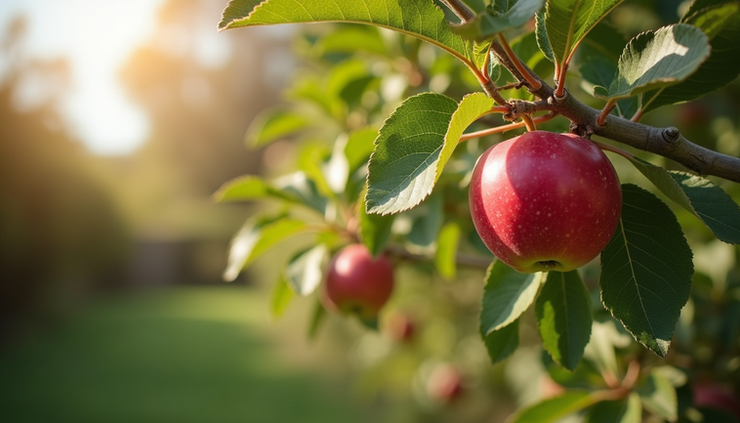
Choosing the Right Apple Varieties for Western Australia
Selecting apple varieties suited to Western Australia’s climate is crucial. The region experiences hot, dry summers and mild winters, which affects apple tree growth and fruit quality.
Cripps Pink (Pink Lady): This variety thrives in warmer climates and produces crisp, sweet apples. It requires a moderate chilling period, which Western Australia’s southern parts can provide.
Gala: Gala apples adapt well to the region and have a shorter chilling requirement. They produce sweet, aromatic fruit and are relatively easy to grow.
Granny Smith: Known for its tart flavor, Granny Smith grows well in Western Australia, especially in areas with cooler winters.
Fuji: Fuji apples need a longer chilling period but can succeed in cooler parts of the state.
When choosing varieties, consider your local microclimate and the chilling hours your area receives. Chilling hours are the number of cold hours below 7°C that apple trees need to break dormancy and produce fruit. Areas in the southwest of Western Australia generally have enough chilling hours for many apple varieties.
Preparing the Soil for Apple Trees
Apple trees prefer well-drained, fertile soil with a pH between 6.0 and 7.0. Western Australian soils can vary widely, so soil preparation is essential.
Test your soil before planting to check pH and nutrient levels.
Improve drainage if your soil is heavy clay by adding organic matter such as compost or aged manure.
Incorporate organic matter to increase fertility and moisture retention.
Avoid waterlogging, which can damage roots and reduce fruit quality.
Raised beds or mounds can help improve drainage in areas prone to water retention. Mulching around the base of the tree helps conserve moisture and suppress weeds.
Planting and Spacing Apple Trees
Plant apple trees during the cooler months, typically between late autumn and early winter. This timing allows roots to establish before the heat of summer.
Dig a hole twice as wide and deep as the root ball.
Place the tree so the graft union (the swollen area near the base) is above soil level.
Backfill with soil and water thoroughly to settle the roots.
Space trees at least 4 to 5 meters apart to allow good air circulation and sunlight penetration.
Proper spacing reduces disease risk and encourages healthy growth.
Watering and Irrigation Tips
Water management is critical in Western Australia’s dry climate. Apple trees need consistent moisture, especially during flowering and fruit development.
Water deeply once or twice a week rather than frequent shallow watering.
Use drip irrigation or soaker hoses to deliver water directly to the roots and reduce evaporation.
Monitor soil moisture regularly and adjust watering based on rainfall and temperature.
Reduce watering in winter when trees are dormant.
Overwatering can cause root rot, so balance is key.
Pruning and Training Apple Trees
Pruning shapes the tree, improves air circulation, and encourages fruit production.
Prune apple trees in late winter or early spring before bud break.
Remove dead, damaged, or crossing branches.
Thin out crowded branches to allow sunlight to reach the center.
Train young trees to a central leader or open vase shape for strong structure.
Regular pruning helps maintain tree health and improves fruit size and quality.
Managing Pests and Diseases
Apple trees in Western Australia face pests such as codling moth, aphids, and scale insects, along with diseases like powdery mildew and apple scab.
Inspect trees regularly for signs of pests or disease.
Use organic controls like neem oil or insecticidal soap when possible.
Encourage beneficial insects such as ladybugs and lacewings.
Remove fallen leaves and fruit to reduce disease spread.
Apply fungicides if necessary, following label instructions carefully.
Integrated pest management helps keep trees healthy without overusing chemicals.
Harvesting and Storing Apples
Harvest apples when they reach full color and taste sweet and crisp. Harvest times vary by variety but generally fall between late summer and early autumn.
Pick apples carefully to avoid bruising.
Store apples in a cool, dark place with good ventilation.
Refrigeration extends shelf life for several weeks.
Enjoy fresh apples or use them in cooking and preserving.
Growing apple trees in Western Australia requires attention to local conditions and careful care. By choosing the right varieties, preparing soil well, managing water, pruning properly, and controlling pests, you can enjoy a bountiful harvest. Start with one or two trees and expand your orchard as you gain confidence.


Comments