
Ultimate Guide to Growing Lime Trees for Perth Gardeners

Lime trees add a fresh, zesty touch to any garden and provide delicious fruit for cooking, drinks, and garnishes. For gardeners in Perth, growing lime trees can be a rewarding experience, but it requires understanding the local climate and soil conditions. This guide covers everything you need to know to successfully grow lime trees in your Perth garden.

Choosing the Right Lime Tree Variety for Perth
Not all lime trees thrive equally well in Perth’s Mediterranean climate, which features hot, dry summers and mild, wet winters. Selecting the right variety is key to success.
Tahiti Lime (Persian Lime)
This variety is popular because it produces seedless fruit and grows well in warm climates. It tolerates Perth’s heat and is less sensitive to cold snaps.
Kaffir Lime
Known for its aromatic leaves used in cooking, Kaffir lime trees can handle Perth’s climate but prefer some afternoon shade during the hottest months.
Finger Lime
Native to Australia, finger limes are well adapted to local conditions and produce unique caviar-like fruit. They need well-drained soil and some protection from frost.
Preparing Your Garden for Lime Trees
Lime trees need well-drained soil and plenty of sunlight. Here’s how to prepare your garden:
Soil
Perth soils can be sandy and low in nutrients. Improve soil by mixing in organic compost and well-rotted manure. Ensure the soil pH is slightly acidic to neutral (pH 6-7).
Location
Choose a spot that receives at least 6 hours of direct sunlight daily. Avoid low-lying areas where water might pool after rain.
Drainage
Lime trees dislike waterlogged roots. If your garden has heavy clay soil, consider planting in raised beds or large containers with good drainage holes.
Planting Your Lime Tree
Plant your lime tree during the cooler months (autumn or early spring) to help it establish before the heat of summer.
Dig a hole twice as wide and as deep as the root ball.
Gently loosen the roots before planting.
Place the tree in the hole so the top of the root ball is level with the soil surface.
Backfill with soil mixed with compost.
Water thoroughly after planting.
Caring for Lime Trees in Perth
Proper care will keep your lime tree healthy and productive.
Watering
Young lime trees need regular watering, especially during dry spells. Water deeply once or twice a week, allowing the soil to dry slightly between watering. Mature trees are more drought-tolerant but still benefit from occasional deep watering during summer.
Fertilizing
Feed your lime tree with a citrus-specific fertilizer three times a year: early spring, mid-summer, and early autumn. Look for fertilizers rich in nitrogen, potassium, and magnesium to support fruit development.
Pruning
Prune lime trees lightly to maintain shape and remove dead or crossing branches. Pruning is best done in late winter or early spring before new growth starts.
Pest and Disease Management
Common pests include aphids, scale insects, and citrus leaf miners. Use insecticidal soap or neem oil to control infestations. Watch for signs of fungal diseases like sooty mold, which can be managed by improving air circulation and avoiding overhead watering.

Harvesting and Using Limes
Limes typically take 6 to 9 months to mature after flowering. Fruit is ready to pick when it feels firm and has a glossy green skin. You can harvest limes throughout the year, but peak season in Perth is usually late summer to autumn.
Use fresh limes in:
Cooking and marinades
Fresh juices and cocktails
Preserves and jams
Garnishes for salads and desserts
Tips for Success in Perth Gardens
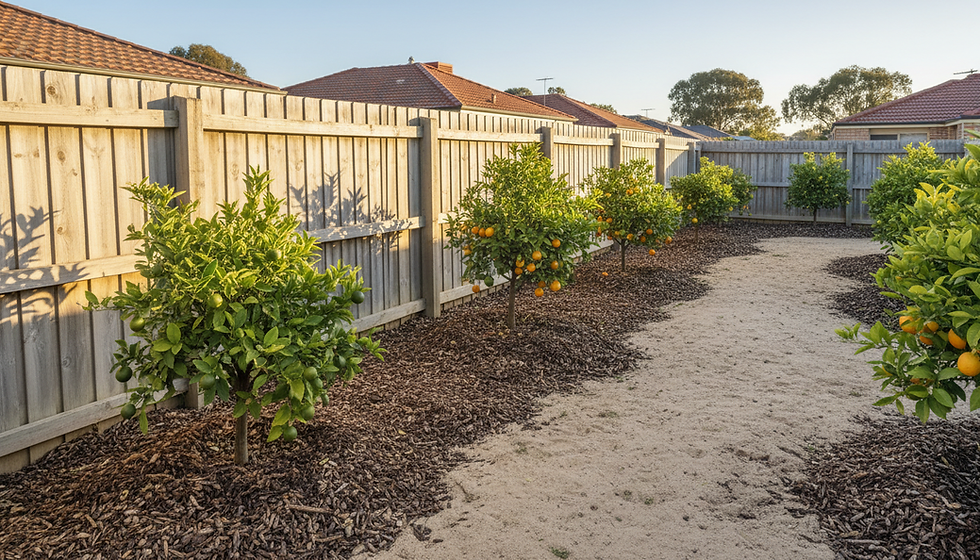
Protect young trees from strong winds by planting near a fence or using windbreaks.
Mulch around the base to retain moisture and suppress weeds.
Avoid overwatering to prevent root rot.
Consider container growing if garden space or soil quality is limited.
Growing lime trees in Perth is achievable with the right care and attention. These trees not only enhance your garden’s beauty but also provide fresh, homegrown fruit that adds zest to your kitchen.


Comments