
Unlocking the Hidden Potential of Backyard Citrus in Australia 2026

Australia’s climate and lifestyle make backyard citrus trees an increasingly attractive option for homeowners and investors alike. As 2026 approaches, more people are discovering that growing citrus at home offers benefits beyond fresh fruit. Backyard citrus is becoming one of the best investments in Australia, combining financial, environmental, and health advantages. This post explores why backyard citrus stands out as a smart choice for Australians looking to add value to their homes and lives.

Why Backyard Citrus Is Gaining Popularity
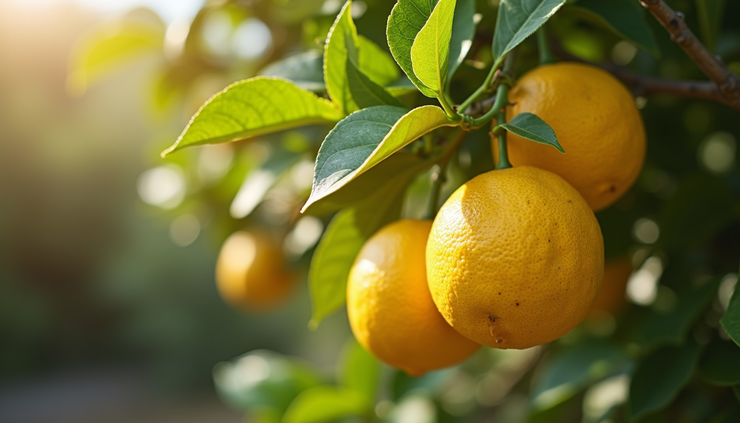
Citrus trees such as oranges, lemons, mandarins, and limes thrive in many parts of Australia. Their adaptability to local conditions means they require less water and care compared to other fruit trees. This makes them ideal for busy homeowners who want fresh produce without a high maintenance garden.
People are also drawn to backyard citrus because it offers:
Year-round fruit supply: Different citrus varieties fruit at various times, providing fresh fruit almost all year.
Cost savings: Growing your own fruit reduces grocery bills, especially as citrus prices rise.
Health benefits: Fresh citrus is rich in vitamin C and antioxidants, supporting immune health.
Environmental impact: Homegrown fruit cuts down on packaging waste and transport emissions.
These factors combine to make backyard citrus a practical and rewarding investment for Australian households.
Financial Benefits of Backyard Citrus in 2026
Investing in backyard citrus trees can increase property value. Gardens with productive fruit trees appeal to buyers who appreciate sustainable living and fresh food access. Real estate experts note that well-maintained gardens with fruit trees can add up to 5% to a home’s market price.
Additionally, the cost of establishing citrus trees is relatively low. A young tree costs between $30 and $60, and with minimal ongoing care, it can produce fruit for decades. Over time, the savings on buying citrus from stores can offset the initial investment many times over.
For example, a mature orange tree can yield 100 to 200 fruits annually. At an average retail price of $1 per fruit, that’s a potential saving of $100 to $200 each year. Multiply this by several trees, and the financial benefits become clear.
Practical Tips for Growing Citrus Successfully
To unlock the full potential of backyard citrus, consider these practical tips:
Choose the right variety: Select citrus types suited to your local climate. For example, mandarins do well in warmer regions, while lemons tolerate cooler areas.
Plant in well-drained soil: Citrus trees dislike waterlogged roots. Adding organic matter improves drainage.
Provide adequate sunlight: Citrus needs at least six hours of direct sun daily.
Water consistently but avoid overwatering: Deep watering once or twice a week is better than frequent shallow watering.
Protect from pests and diseases: Regularly check for scale insects, aphids, and fungal infections. Use natural remedies or horticultural oils when needed.
Prune to maintain shape and health: Remove dead or crowded branches to improve air circulation.
Following these steps helps ensure your citrus trees thrive and produce abundant fruit.
Environmental and Lifestyle Advantages
Backyard citrus trees contribute positively to the environment. They absorb carbon dioxide, provide shade, and support local wildlife such as bees and birds. Growing your own fruit reduces dependence on industrial agriculture, which often involves heavy pesticide use and long-distance transport.
From a lifestyle perspective, tending citrus trees encourages outdoor activity and connection with nature. Harvesting fresh fruit can become a family ritual that promotes healthy eating habits. The aroma of citrus blossoms also enhances garden enjoyment.
What to Expect in 2026 and Beyond
As Australians become more conscious of sustainability and self-sufficiency, backyard citrus will continue to grow in popularity. Advances in horticulture and community knowledge sharing will make it easier for beginners to succeed.
Local councils and community groups may offer workshops and support for home growers, further boosting backyard citrus adoption. This trend aligns with broader movements toward urban gardening and food security.
For those considering investment, backyard citrus offers a low-risk, high-reward opportunity. It combines tangible financial returns with personal and environmental benefits.


Comments