
Why Perth Residents Should Buy Lemon Trees from St Clements Citrus

A lemon tree earns its place in a Perth garden twice over. It gives you fresh fruit for the kitchen, then rewards the garden with glossy leaves, fragrant flowers, and bright yellow colour through the cooler months.
For many local gardeners, the question is not whether a lemon tree is worth growing. It is where to buy one that has the best chance of thriving. Perth’s hot summers, sandy soils, long dry spells, and mild winters suit citrus well, but only when the tree starts strong and suits the site.
That is where St Clements Citrus is worth a closer look. A citrus-focused grower can help take the guesswork out of choosing a lemon tree, especially for home gardeners who want good fruit, healthy growth, and practical advice from the start.

Perth’s climate is a strong match for lemon trees
Lemons have been popular in Australian backyards for generations for a good reason. They are productive, attractive, and useful almost every week of the year. In Perth, they can do especially well because the climate gives citrus many of the conditions it likes.
Perth generally offers:
Plenty of sun
Lemon trees need strong light to grow, flower, and ripen fruit. A sunny yard, courtyard, or large pot can suit them well.
Mild winters
Citrus can be sensitive to hard frost. Perth’s comparatively mild winters are a major advantage for many lemon varieties.
Warm growing seasons
Long, warm periods encourage strong growth, provided the tree receives enough water and nutrients.
Good air movement
Open suburban gardens and coastal breezes can help reduce damp, stagnant conditions, though young trees still need shelter from harsh winds.
The main challenge is not the climate itself. It is managing Perth’s dry heat and sandy soil. Lemon trees need consistent moisture, especially when young and when fruit is forming. They also prefer improved soil with organic matter, mulch, and steady feeding.
Starting with a well-grown tree makes this easier. A stressed, pot-bound, or poorly suited tree can struggle before it even reaches the garden bed. A healthy tree from a citrus specialist gives the gardener a better base to work from.
Fresh lemons are the obvious benefit. A productive tree can supply fruit for drinks, dressings, marinades, baking, preserving, and everyday cooking. Even a modest harvest can change how often lemons are used in the kitchen. Instead of buying one or two at the supermarket, the fruit is there when needed.
The tree also adds beauty. Lemon foliage is lush and deep green. New growth brings freshness. Flowers add perfume. The fruit remains decorative on the tree, adding colour when many other garden plants are quieter.
For smaller Perth homes, this matters. A lemon tree can be both practical and ornamental, which makes it a smart choice for courtyards, villa gardens, and suburban blocks where every plant needs to earn its keep.
St Clements Citrus gives gardeners a citrus-focused starting point
General garden centres can be useful, but citrus is a category where specialist knowledge matters. Lemon trees look simple on the surface, yet variety, rootstock, age, pruning, nutrition, and local growing conditions all affect performance.
St Clements Citrus stands out because its focus is citrus. That focus matters when buying lemon trees because the right choice is not only about picking the plant with the most fruit on it. It is about finding a healthy tree with strong structure, suitable growth, and the right variety for the space.
A good lemon tree should show signs of quality before it leaves the nursery. Look for:
clear, healthy leaves without widespread yellowing
a balanced shape with several strong branches
a firm root ball that is not severely pot-bound
no obvious pest damage
a sturdy graft union, where relevant
fresh growth that suggests the tree has been well cared for
A citrus specialist is more likely to understand these details and explain what they mean. That kind of guidance is valuable for new gardeners, but also for experienced gardeners who want to match the tree to a particular spot.
St Clements Citrus can also help with variety choice. Lemon trees are not all the same. Some are known for heavy cropping. Some suit cooking particularly well. Some are more compact and friendly for pots. Some produce fruit across a longer season.
Common lemon types that Perth gardeners often compare include Eureka, Lisbon, Meyer, and other citrus options that may suit different gardens. Current availability can change with the season, so it is always best to check directly with St Clements Citrus for the range on hand.
What matters is that buyers can choose with purpose. A family that cooks often may prioritise reliable cropping. A courtyard gardener may need a compact tree. Someone planning an edible garden may want a lemon tree that fits among herbs, vegetables, and other fruit trees.
That is the value of buying from people who understand citrus as a living crop, not just a product on a shelf.

Fresh produce is only part of the appeal
A backyard lemon tree changes the rhythm of cooking. Lemons become something picked, not purchased. That small shift makes home meals feel fresher and more flexible.
A few common uses include:
squeezing over grilled fish, vegetables, salads, or avocado
adding zest to cakes, biscuits, pasta, and dressings
making lemonade, cordial, or citrus syrups
preserving lemons for slow-cooked dishes
cleaning chopping boards and freshening the kitchen
sharing excess fruit with neighbours
The flavour benefit is simple. Freshly picked lemons are fragrant. The zest is bright. The juice feels lively. For cooks, that freshness is hard to beat.
There is also less waste. Supermarket lemons can sit unused, dry out in the fruit bowl, or be wrapped in packaging. A tree lets the fruit stay fresh until it is needed. Pick one, leave the rest.
For families, lemon trees can also make gardening more engaging. Citrus offers visible milestones. Children and new gardeners can see flowers, tiny fruit, swelling lemons, and ripe crops. That makes the tree easier to understand than plants where the reward is hidden underground or appears only briefly.
The visual value should not be overlooked. Lemon trees suit many garden styles, from edible gardens to Mediterranean-style courtyards. They pair well with herbs like rosemary, thyme, oregano, and parsley. In a large pot, a lemon tree can frame an entrance, soften a patio, or brighten a sunny balcony.
A well-placed tree can also create gentle shade and structure. It gives the garden a focal point without feeling formal. In Perth, where outdoor living is part of daily life for much of the year, that combination of beauty and usefulness is hard to ignore.
The right variety makes the tree easier to love
Choosing a lemon tree should begin with the garden, not the label. Before buying, it helps to think about where the tree will grow and how it will be used.
For small spaces and pots
A compact lemon tree is often the best fit for patios, balconies, and courtyards. Potted citrus needs more regular watering and feeding than trees in the ground, but it can be highly productive when cared for well.
Choose the largest practical pot, use a premium potting mix suitable for citrus, and position the tree where it will receive strong sun. Good drainage is essential. Citrus roots do not like sitting in water.
For family gardens
A more vigorous tree may suit a backyard where there is space for a larger canopy. This can mean more fruit over time and a stronger visual presence in the garden.
Leave enough room around the tree for air movement, picking, mulching, and pruning. A lemon tree squeezed into a narrow corner may struggle, even in a good climate.
For keen cooks
Some gardeners want a classic sharp lemon for juice and zest. Others prefer a milder fruit. This is where advice from St Clements Citrus can be especially useful. Taste, fruiting pattern, tree size, and garden conditions all play a role.
When comparing options, ask practical questions:
How large is this variety likely to grow?
Is it suitable for a pot?
When does it usually fruit?
How much sun does it need?
What feeding routine works best?
How should it be pruned in the first few years?
The answers help set expectations. They also prevent common mistakes, such as planting a large tree in a cramped space or choosing a pot-grown tree without planning for summer watering.
People searching online for buying lemon trees from "St Clements Citrus are often looking for more than a plant. They want confidence that the tree suits Perth conditions and that support is available if questions come up after planting.

Sustainable choices make a difference in home gardens
Sustainability in gardening often begins with growing plants that suit the local conditions. A well-chosen lemon tree can live for many years, produce food close to home, and support a more useful garden.
St Clements Citrus’ citrus-focused approach supports that idea. Healthy trees that are matched to the right site are less likely to fail, which reduces waste. Good advice also helps gardeners avoid overwatering, overfeeding, and unnecessary chemical use.
For Perth gardeners, sustainable citrus care often includes:
improving sandy soil with compost and organic matter
mulching to reduce moisture loss
watering deeply rather than lightly
feeding according to the season and the tree’s growth
monitoring pests early before problems spread
pruning lightly to maintain airflow and shape
A lemon tree does not need a complicated care routine. It needs consistent care. That distinction matters. Too much fuss can be as damaging as neglect, especially with fertiliser and watering.
Customer service also plays a practical role. When a nursery can explain the basics clearly, gardeners make better choices. They know where to plant, how often to water during establishment, when to feed, and what warning signs to watch for.
That support is especially helpful during a Perth summer. Young citrus trees can dry out quickly in hot weather. A first-time citrus grower may not know whether leaf curl means heat stress, water stress, pest pressure, or something else. A grower that understands citrus can help narrow the issue and offer sensible next steps.
Good customer service is not just politeness. In gardening, it can be the difference between a tree that struggles and a tree that settles in.
How to give a new lemon tree the best start
Once the tree comes home, the first few weeks matter. A strong start helps the plant move from nursery conditions into the garden with less stress.
Choose a sunny position with at least several hours of direct light each day. Avoid low spots where water collects. If planting in the ground, improve the soil with compost and create a wide planting area rather than a narrow hole. The surrounding soil needs to welcome new roots.
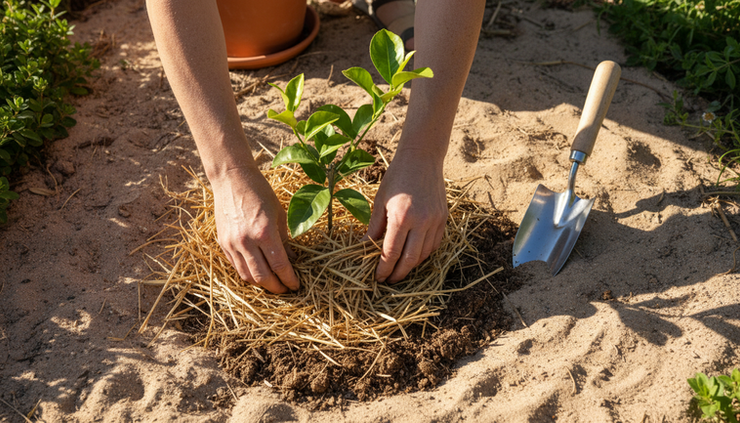
Water the tree well before planting. Place it at the same depth it was growing in the pot. Backfill gently, firm the soil, then water deeply. Add mulch around the root zone, but keep it away from the trunk.
For pot planting, choose a container with excellent drainage. A broad, stable pot is better than a narrow decorative one. Use quality potting mix and avoid garden soil in containers, as it can compact and drain poorly.
During the first summer, watch the tree closely. Young citrus needs regular moisture while roots establish. Deep watering encourages better root growth than frequent shallow splashes. If leaves wilt in extreme afternoon heat but recover later, the tree may be coping. If they remain curled or dull, check soil moisture and drainage.
Feeding should be steady, not excessive. Use a citrus-suitable fertiliser and follow the label. Yellowing leaves can point to nutrient issues, water problems, soil pH, or root stress, so avoid guessing too quickly.
Light pruning can shape the tree and remove damaged growth. Heavy pruning is usually unnecessary for a young lemon tree unless there is a clear structural issue.
The best habit is observation. Look at the leaves, soil, flowers, and fruit. A lemon tree gives clues when something is wrong, and it rewards small, timely adjustments.
A lemon tree is a long-term garden investment
A good lemon tree is not a one-season purchase. It can become part of the household routine for years, supplying fruit, shade, fragrance, and a reason to spend more time outside.
That is why the buying decision matters. The cheapest tree is not always the best value. A healthy, well-grown tree from a citrus-focused supplier can save time, reduce frustration, and improve the odds of success.
St Clements Citrus gives Perth residents a strong reason to look beyond a quick impulse buy. The appeal lies in quality trees, citrus knowledge, useful variety options, and guidance that helps gardeners choose well from the beginning. For anyone interested in buying lemon trees, that combination is worth seeking out.
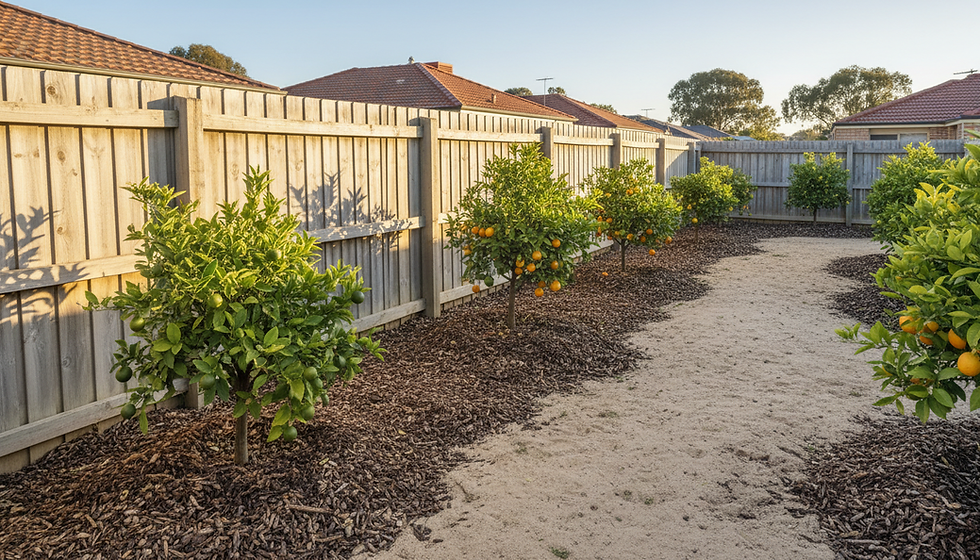
Perth is already a friendly place for citrus. Add the right tree, a sunny spot, improved soil, and steady care, and a lemon tree can become one of the most rewarding plants in the garden.
The next step is simple. Think about the space available, decide how the fruit will be used, and speak with St Clements Citrus about the lemon tree that best suits the garden. A few thoughtful choices now can lead to years of fresh lemons at the back door.


Comments