
Best Citrus Trees to Grow in Your Australian Garden

Growing citrus trees in an Australian garden can be a rewarding experience. The right citrus trees not only add beauty and fragrance but also provide fresh, homegrown fruit. Australian climates vary widely, so choosing the best citrus trees suited to your region is key to success. This guide highlights some of the best citrus trees to grow in Australian gardens, practical tips for planting, and care advice to help you enjoy a fruitful harvest.
Choosing Citrus Trees for Australian Gardens
Australia’s climate ranges from tropical in the north to temperate in the south. Citrus trees generally prefer warm, sunny conditions with well-drained soil. Some varieties tolerate cooler temperatures better than others, making them suitable for southern regions.
When selecting citrus trees, consider:
Climate suitability: Tropical, subtropical, or temperate zones
Space available: Some trees grow larger than others
Fruit use: Eating fresh, juicing, cooking, or ornamental
Maintenance level: Pruning, pest control, watering needs
Top Citrus Trees for Australian Gardens
1. Eureka Lemon
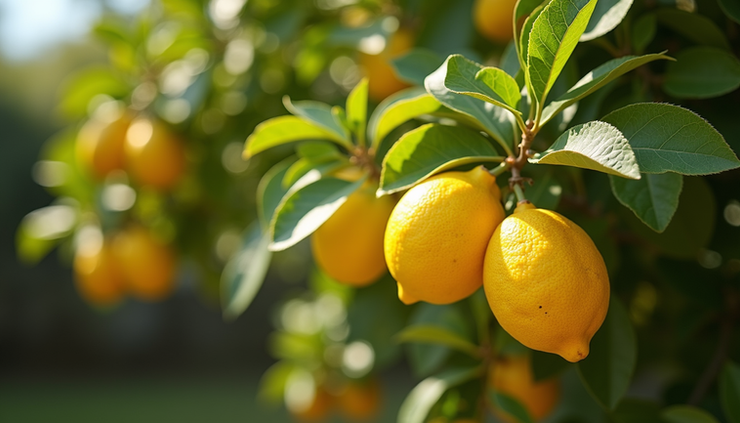
The Eureka lemon is a popular choice for Australian gardens. It produces large, juicy lemons almost all year round, especially in warmer climates. This tree is relatively hardy and can handle mild frost, making it suitable for many parts of Australia.
Fruit: Large, bright yellow lemons with thick skin
Growth: Medium-sized tree, can reach 3-4 meters
Care: Requires full sun and regular watering
Use: Fresh eating, cooking, and juicing
2. Washington Navel Orange
The Washington Navel orange is well-loved for its sweet, seedless fruit. It grows well in temperate and subtropical areas of Australia. This tree is also relatively low maintenance and produces fruit in winter and early spring.
Fruit: Seedless, sweet, easy to peel
Growth: Medium-sized tree, dense foliage
Care: Needs full sun and protection from strong winds
Use: Fresh eating and juicing
3. Kaffir Lime
Kaffir lime is a smaller citrus tree that thrives in tropical and subtropical climates. Its leaves are highly aromatic and widely used in cooking, especially in Asian dishes. The fruit is bumpy and less juicy but valued for its zest and leaves.
Fruit: Small, bumpy green limes
Growth: Compact tree, ideal for pots or small gardens
Care: Prefers warm, sheltered spots with good drainage
Use: Leaves for cooking, zest for flavoring
4. Blood Orange
Blood oranges add a splash of color and unique flavor to your garden. They grow best in warmer climates but can tolerate cooler areas with some protection. The fruit has a distinctive red flesh and a sweet-tart taste.
Fruit: Medium-sized with deep red flesh
Growth: Medium tree, requires full sun
Care: Needs regular watering and well-drained soil
Use: Fresh eating, salads, and juices
5. Finger Lime
Native to Australia, finger limes are a unique citrus variety with elongated fruits filled with caviar-like juice vesicles. They are well adapted to Australian conditions and can handle heat and drought better than many other citrus trees.
Fruit: Small, finger-shaped with bursting juice beads
Growth: Small shrub or tree, suitable for smaller gardens
Care: Prefers well-drained soil and partial shade
Use: Garnishes, cooking, and cocktails
Planting and Caring for Citrus Trees in Australia
Planting Tips
Choose a sunny spot with at least 6 hours of direct sunlight daily.
Ensure soil drains well; sandy loam is ideal.
Dig a hole twice the size of the root ball and mix in compost.
Water the tree deeply after planting to settle the soil.
Mulch around the base to retain moisture and suppress weeds.
Watering and Feeding
Water young trees regularly, especially during dry spells.
Mature trees need deep watering every 1-2 weeks depending on rainfall.
Use a balanced citrus fertilizer 3-4 times a year to promote healthy growth and fruiting.
Avoid overwatering, which can cause root rot.
Pruning and Pest Control
Prune to maintain shape and remove dead or crossing branches.
Watch for common pests like aphids, scale, and citrus leaf miner.
Use organic insecticidal soap or neem oil for pest control.
Keep the area around the tree clean to reduce disease risk.

Maximizing Your Citrus Harvest
To get the best fruit yield:
Thin fruit if the tree sets too many to improve size and quality.
Protect fruit from birds and possums using netting.
Harvest citrus when fully colored and slightly soft to the touch.
Store harvested fruit in a cool, dry place or refrigerate to extend freshness.


Comments