
The Ultimate Guide to Growing Healthy Orange Trees in Your Backyard

Growing an orange tree in your backyard can be a rewarding experience. Fresh, juicy oranges picked right from your own garden offer a taste and satisfaction that store-bought fruit cannot match. However, cultivating a healthy orange tree requires attention to detail and understanding the tree’s needs. This guide will walk you through everything you need to know to grow vibrant orange trees that thrive and produce delicious fruit.
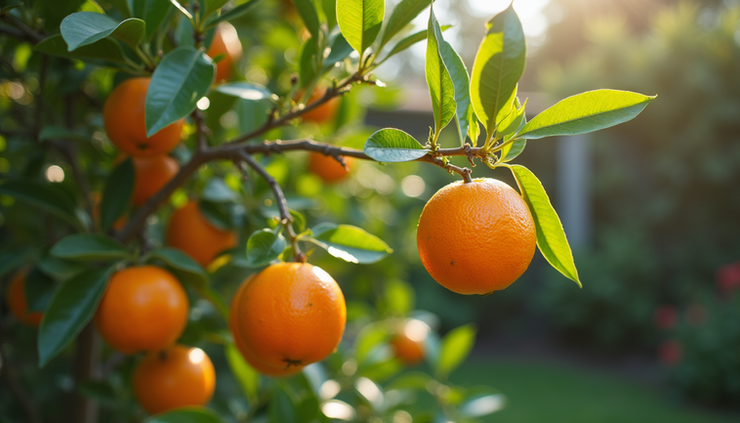
Choosing the Right Orange Tree Variety
Not all orange trees are the same. Selecting the right variety depends on your climate, space, and personal preference. Some popular types include:
Navel Oranges: Sweet, seedless, and easy to peel. Ideal for fresh eating.
Valencia Oranges: Known for juiciness, perfect for making fresh juice.
Blood Oranges: Unique red flesh with a slightly tart flavor.
Cara Cara Oranges: A type of navel orange with pinkish-red flesh and a sweet taste.
Consider your local climate when choosing a variety. Orange trees grow best in USDA zones 9 to 11, where winters are mild and frost is rare. If you live in a cooler area, consider dwarf varieties that can be grown in containers and moved indoors during cold weather.
Preparing the Planting Site
Orange trees need plenty of sunlight and well-drained soil to flourish. Follow these tips for site preparation:
Sunlight: Choose a spot that receives at least 6 to 8 hours of direct sunlight daily.
Soil: The soil should be sandy or loamy with good drainage. Avoid heavy clay soils that retain water.
pH Level: Aim for a soil pH between 6.0 and 7.5. You can test soil pH with a kit from a garden center.
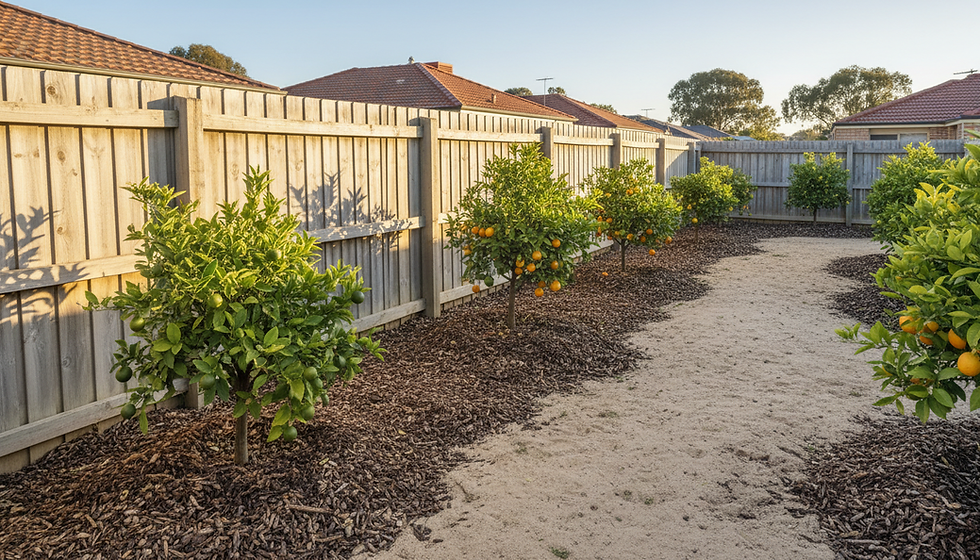
Space: Plant trees at least 12 to 25 feet apart, depending on the variety, to allow room for growth and airflow.
Before planting, loosen the soil and mix in organic compost to improve fertility and drainage.
Planting Your Orange Tree
Plant your orange tree during the early spring or fall when temperatures are moderate. Here’s how to do it:
Dig a hole twice as wide and as deep as the root ball.
Gently remove the tree from its container and loosen the roots if they are tightly bound.
Place the tree in the hole so that the top of the root ball is level with the ground.
Backfill with soil mixed with compost, pressing gently to remove air pockets.
Water thoroughly to settle the soil around the roots.
Mulch around the base with 2 to 3 inches of organic mulch, keeping it a few inches away from the trunk to prevent rot.
Watering and Fertilizing
Orange trees require consistent watering, especially during the first few years. Here are watering guidelines:
Water deeply once or twice a week, depending on rainfall and temperature.
Avoid overwatering, which can cause root rot.
During hot, dry spells, increase watering frequency.
Fertilize your orange tree to support healthy growth and fruit production:
Use a citrus-specific fertilizer with nitrogen, phosphorus, and potassium.
Apply fertilizer three times a year: early spring, early summer, and late summer.
Follow package instructions for the correct amount based on tree size.
Pruning and Pest Management
Pruning helps maintain the tree’s shape, improves air circulation, and removes dead or diseased branches. Prune in late winter or early spring before new growth starts. Remove:
Suckers growing from the base.
Crossing or crowded branches.
Dead or damaged limbs.
Watch for common pests like aphids, scale insects, and spider mites. Use insecticidal soap or neem oil as a natural treatment. Regularly inspect leaves and fruit for signs of infestation.

Harvesting and Enjoying Your Oranges
Oranges typically take 6 to 12 months to mature after flowering. Signs that fruit is ready to harvest include:
Bright, uniform color without green patches.
Slightly soft texture when gently squeezed.
Sweet aroma near the stem.
Use pruning shears or gently twist the fruit to avoid damaging the tree. Store harvested oranges in a cool, dry place or refrigerate to extend freshness.
Enjoy your homegrown oranges fresh, juiced, or in recipes. Growing your own fruit reduces waste and ensures you know exactly how your food was grown.
Troubleshooting Common Problems
Even with care, orange trees can face challenges. Here are solutions to frequent issues:
Yellow Leaves: May indicate nutrient deficiency or overwatering. Test soil and adjust watering.
Fruit Drop: Stress from drought, pests, or nutrient imbalance can cause premature fruit drop.
Fungal Diseases: Powdery mildew or citrus canker can affect leaves and fruit. Use fungicides and maintain good airflow.
Regular monitoring and early intervention keep your orange tree healthy and productive.


Comments