
Growing Citrus Trees in Perth: Essential Tips for Success

Citrus trees bring vibrant color, fresh fruit, and a delightful aroma to any garden. Growing them in Perth, with its unique climate and soil conditions, can be rewarding but requires some specific care. Whether you want juicy oranges, tangy lemons, or fragrant mandarins, understanding how to nurture citrus trees in this region will help you enjoy a bountiful harvest.

Understanding Perth’s Climate for Citrus Growth
Perth has a Mediterranean climate characterized by hot, dry summers and mild, wet winters. This climate suits many citrus varieties but also presents challenges like water scarcity and occasional frost.
Sunlight: Citrus trees need full sun, ideally 6 to 8 hours daily. Perth’s sunny weather supports this well.
Temperature: Most citrus trees thrive between 15°C and 30°C. While Perth rarely experiences extreme cold, occasional frost can damage young trees.
Rainfall: Annual rainfall is low and mostly falls in winter. Supplementary watering during dry months is essential.
Choosing the right planting location with good sun exposure and protection from strong winds will help your citrus tree thrive.
Selecting the Best Citrus Varieties for Perth
Not all citrus trees perform equally well in Perth’s environment. Some varieties are better adapted to local conditions:
Navel Oranges: Popular for their sweet, seedless fruit and good heat tolerance.
Meyer Lemons: Hardy and less acidic, they handle Perth’s climate well.
Mandarins: Easy to grow and produce abundant fruit.
Grapefruits: Require more water but can flourish with proper care.
Local nurseries often stock varieties suited to Perth’s conditions. Ask for advice on disease resistance and growth habits.
Preparing the Soil and Planting
Citrus trees prefer well-draining soil with a slightly acidic to neutral pH (6.0 to 7.0). Perth’s sandy soils can be low in nutrients and drain quickly, so soil preparation is key.
Improve Soil Quality: Mix organic compost or aged manure into the planting area to boost fertility and moisture retention.
Check Drainage: Avoid waterlogged spots. Raised beds or mounds can help if drainage is poor.
Planting Time: Early spring is ideal, allowing trees to establish before the hot summer.
When planting, dig a hole twice as wide as the root ball and just as deep. Position the tree so the graft union is above soil level to prevent rot.
Watering and Fertilizing Citrus Trees
Consistent watering is critical, especially during Perth’s dry summer months.
Watering Schedule: Deep water once or twice a week, depending on soil moisture and tree size. Avoid shallow, frequent watering.
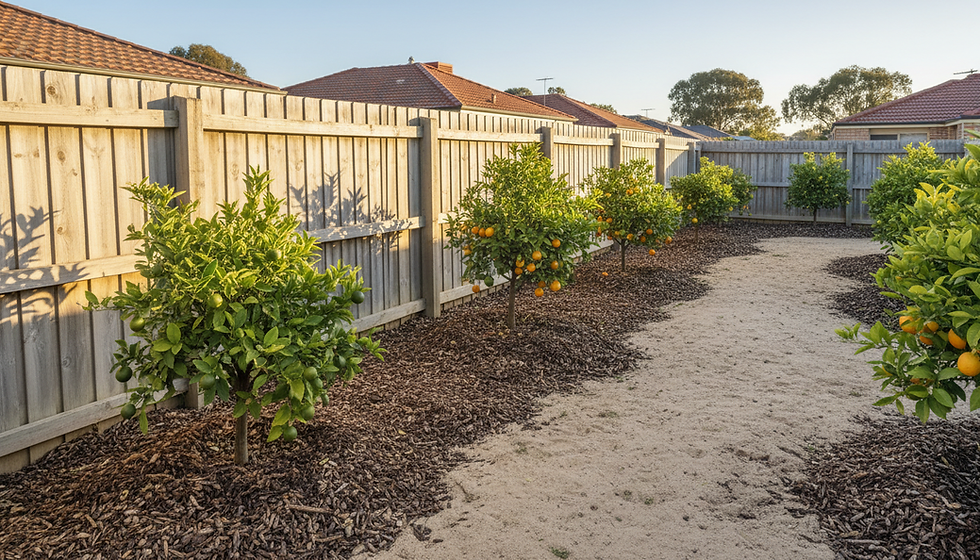
Mulching: Apply a 5-10 cm layer of organic mulch around the base to conserve moisture and suppress weeds.
Fertilizing: Use a citrus-specific fertilizer high in nitrogen, potassium, and micronutrients like magnesium and iron. Feed trees every 6-8 weeks during the growing season.
Signs of nutrient deficiency include yellowing leaves or poor fruit development. Adjust fertilizing accordingly.

Managing Pests and Diseases
Citrus trees in Perth can face pests like aphids, scale insects, and citrus leaf miners. Diseases such as citrus canker and root rot may also occur.
Regular Inspection: Check leaves and fruit for signs of pests or damage.
Natural Predators: Encourage ladybugs and lacewings that feed on harmful insects.
Organic Treatments: Use insecticidal soaps or neem oil for pest control.
Good Hygiene: Remove fallen leaves and fruit to reduce disease risk.
Prompt action prevents infestations from spreading and keeps trees healthy.
Pruning and Harvesting Tips
Pruning helps maintain tree shape, improves air circulation, and encourages fruit production.
When to Prune: Late winter or early spring before new growth starts.
How to Prune: Remove dead or crossing branches and thin out crowded areas.
Harvesting: Citrus fruits do not continue to ripen after picking. Harvest when fruits are fully colored and slightly soft to the touch.
Regular pruning and timely harvesting improve the quality and quantity of your citrus yield.
Final Thoughts on Growing Citrus Trees in Perth
Growing citrus trees in Perth is a fulfilling gardening project that rewards patience and care. By selecting suitable varieties, preparing soil properly, watering wisely, and managing pests, you can enjoy fresh, homegrown citrus year after year. Start small, observe your tree’s needs, and adjust your care routine as it grows. Soon, your garden will be filled with the bright colors and fresh scents of thriving citrus trees.


Comments